A community learning garden transforms traditional gardening into a living classroom where neighbors cultivate both plants and knowledge together. Unlike a standard community garden where members simply grow their own produce in separate plots, a learning garden centers on education, bringing together schools, volunteers, and local residents to teach sustainable growing practices, environmental stewardship, and hands-on science through shared growing spaces and structured programs.
These gardens serve multiple purposes at once. They provide fresh, healthy food while teaching children and adults where their meals come from. They create outdoor classrooms for schools without adequate green space. They give experienced gardeners a place to mentor newcomers, and they strengthen neighborhood connections through weekend workshops, seasonal harvests, and collaborative planting days.
Starting a community learning garden in 2026 requires a clear educational mission, committed partners, and accessible space, but the rewards extend far beyond the harvest. According to community organizers across the country, successful learning gardens typically include demonstration beds for different growing techniques, gathering areas for classes, and wildlife-friendly features that turn every garden visit into a teaching moment. Whether you’re an educator looking to bring science lessons outdoors, a gardening enthusiast eager to share your skills, or a neighborhood advocate hoping to create green space for learning, a well-planned community learning garden can become the heart of your community for years to come.
What Makes a Community Learning Garden Different
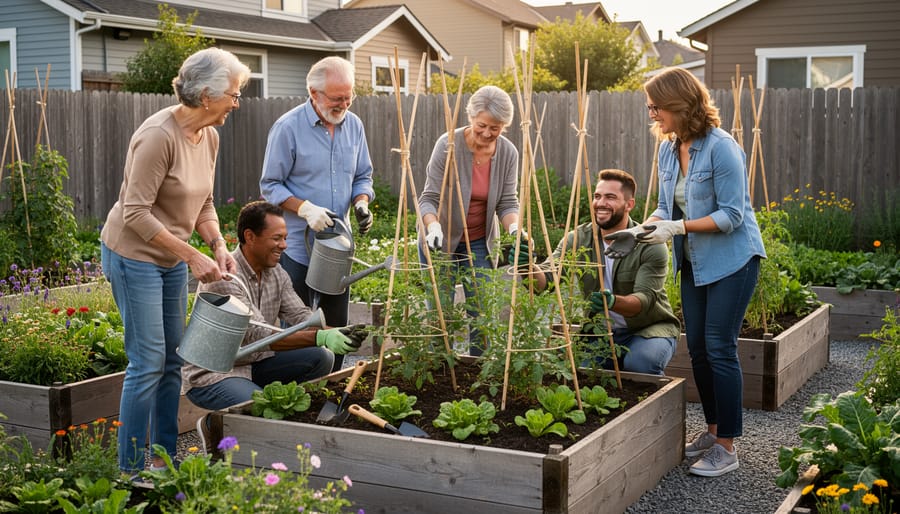
A community learning garden centers on teaching, not just growing. While a traditional community garden offers individuals their own plot to tend, a learning garden operates as shared space where everyone works together, learns side by side, and takes turns leading activities. The difference shows up in how the space is organized and used.
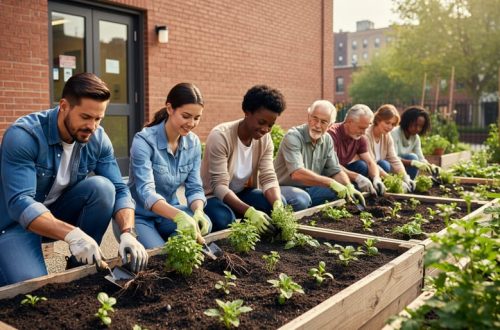
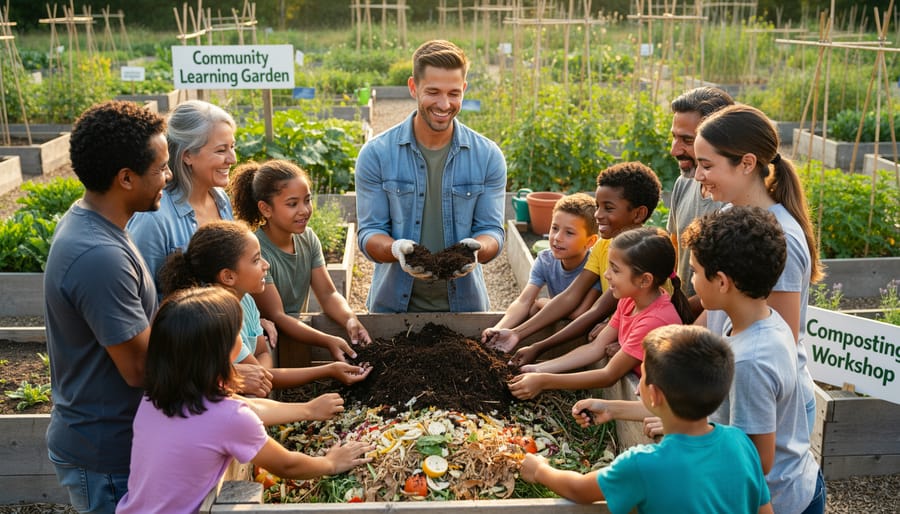
Traditional community gardens typically assign plots to individual gardeners who manage their own crops, visit on their own schedule, and harvest what they’ve planted. A learning garden flips this model. The beds belong to everyone, and participants gather for scheduled activities designed to build skills. One week might feature a spring composting workshop led by an Extension Master Gardener. The next month, a seasoned volunteer demonstrates succession planting while newcomers ask questions and help.
This rotating leadership creates opportunities you won’t find in plot-based gardens. A teenager who mastered seed-starting last season might teach this year’s workshop. Someone skilled in pest identification shares that knowledge during a summer walk-through. These moments transform participants from students into teachers, building confidence and deepening understanding.
Educational demonstration gardens, found at botanical gardens or universities, do emphasize learning but often position visitors as observers. Staff or trained docents lead tours and demonstrations. Visitors watch and listen. Community learning gardens invite you to dig in, literally. You plant the seedlings, build the compost bin, and troubleshoot the tomato blight together. The garden becomes a living classroom where everyone contributes and everyone learns, whether you’re five years old discovering earthworms or seventy-five perfecting your pruning technique.
Getting Started: Planning Your Community Learning Garden
Building Your Core Team and Finding Support
Your first volunteer is often right in your own neighborhood. Start by talking to neighbors, posting on community Facebook groups, and reaching out to local garden clubs. Many successful learning gardens begin with just three to five committed people who share a vision.
Extension Master Gardeners are invaluable allies, they bring training, resources, and credibility. Contact your county Extension office to connect with local volunteers eager to share their expertise through hands-on teaching. Schools and libraries make natural partners too, offering space, audiences, and sometimes funding in exchange for programming that serves their community.
In Arlington County, Virginia, a learning garden took root when a librarian, two Master Gardeners, and a retired teacher met at a community meeting. Within six months, they’d secured a sunny plot behind the library, recruited fifteen volunteers, and launched their first workshop series. Their secret? Each founding member invited one organization they already belonged to, creating an instant network of support.
When you start an urban program like this, look for champions in unexpected places, PTA members, faith communities, and environmental groups often have enthusiastic gardeners waiting for a project to rally behind.
Choosing and Preparing Your Site
A successful learning garden needs six hours of direct sunlight daily for most vegetables and herbs, though you can work with partial shade by focusing on leafy greens and herbs. Scout potential sites during different times of day to check sun patterns before committing.
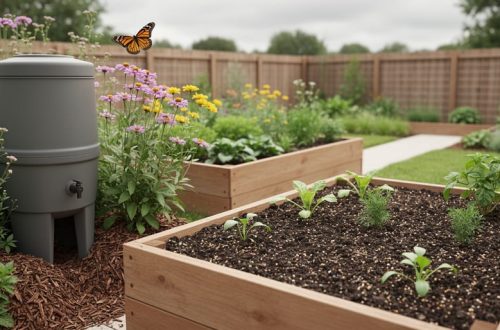
Water access makes or breaks long-term sustainability. A spigot within 100 feet keeps volunteers from hauling heavy watering cans across campus or parking lots. If running water isn’t available, consider rainwater catchment systems or negotiate access to nearby building connections. Check with your city parks department, school facilities manager, or church property committee early, they often have vacant sunny corners but need proof of your maintenance plan and liability insurance before approval.
Test your soil before breaking ground. Contact your local Extension office for inexpensive soil testing that reveals pH, nutrient levels, and contamination risks. Urban sites near old buildings may contain lead; raised beds with clean fill solve this problem while creating wildlife-friendly soil from scratch.
Accessibility matters for learning gardens serving diverse ages and abilities. Choose level ground near parking, with space for wheelchair-friendly paths between beds. Visibility from streets or building entrances reduces vandalism worries and attracts curious neighbors.
Container gardens work beautifully when ground space is limited, arrange large pots and fabric grow bags to create flexible teaching stations on patios or courtyards.
Designing for Learning and Wildlife
Divide your garden into distinct zones that serve both teaching and habitat goals. Create demonstration beds for comparing techniques side-by-side, one bed using no-till methods, another with raised rows, a third testing companion planting. Label each approach so visitors can observe the results throughout the season.
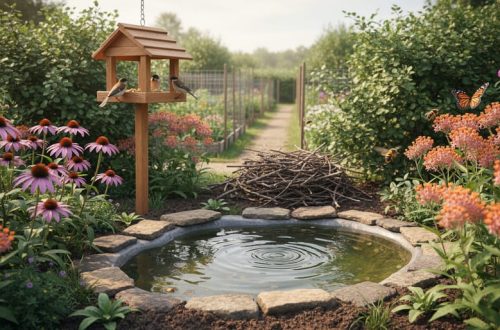
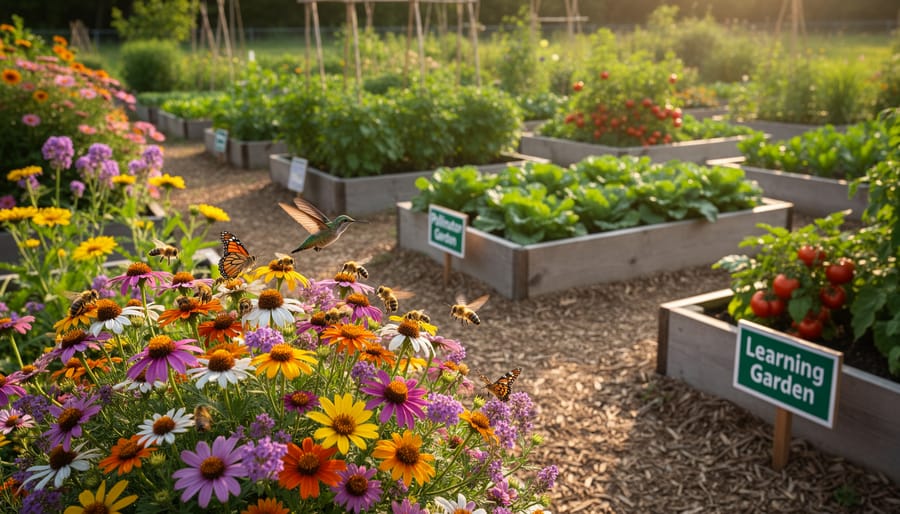
Set aside a pollinator zone planted with native plants attract pollinators like coneflowers, milkweed, and native grasses. This area becomes a living classroom for identifying butterflies and bees while providing essential wildlife habitat features. Position a shallow birdbath or small water dish nearby, and leave some leaf litter for ground-nesting insects.
Your composting station doubles as a teaching tool. Use open bins or tumbler systems positioned where groups can gather around for demonstrations. Add weatherproof signage explaining what goes in each bin.
Include a central gathering area with benches or stumps for workshops. A simple shade structure makes summer sessions more comfortable. Place a tool shed or storage box within easy reach but away from the main pathways to keep the space open and welcoming.
Educational Activities That Bring Your Garden to Life
Year-Round Workshop Ideas
Rotate your workshop calendar with the seasons to keep volunteers engaged and build comprehensive skills. Spring sessions shine with seed-starting basics, demonstrating cold frames, discussing germination rates, and letting participants pot up seedlings to take home. Summer workshops tackle pest identification and organic management strategies, teaching volunteers to distinguish beneficial insects from destructive ones while exploring companion planting techniques.
Fall brings composting demonstrations and cover crop selection, perfect timing when gardens generate abundant plant material and beds need winter protection. Show participants how to build simple compost bins, explain carbon-to-nitrogen ratios in plain terms, and compare cover crop options for your climate zone. Winter offers unexpected opportunities: tool sharpening clinics, garden planning sessions with graph paper and seed catalogs, and pruning demonstrations on dormant shrubs.
Keep these gardening workshops beginner-friendly by starting with hands-on activities rather than lengthy lectures, providing simple handouts with illustrated steps, and pairing newcomers with experienced gardeners. Repeat core topics annually so late joiners catch foundational skills, and keep sessions under two hours to respect busy schedules.
Youth and School Programs
School gardens offer weekly hands-on lessons where students plant, observe, and harvest, many teachers report improved science engagement and better vegetable acceptance when kids grow their own food. Start small with quick-win crops like radishes and lettuce to build confidence, then progress to longer-season plants that let students track growth over months.
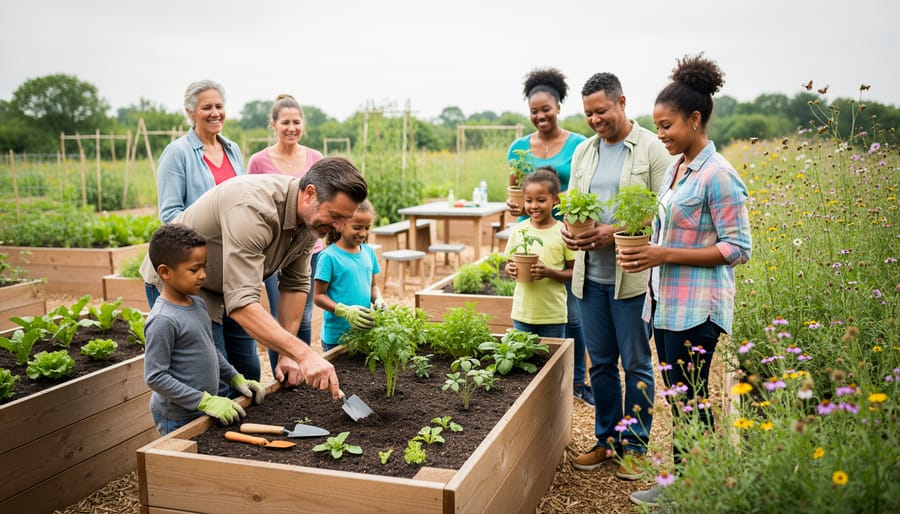
Summer youth mentorship programs pair experienced gardeners with middle and high schoolers who earn service hours while learning real skills. These older mentees often become excellent teachers for younger children during family gardening days held monthly on Saturday mornings. Keep families engaged by offering simple take-home projects like potted herbs or seed packets they started together.
Scout troops find learning gardens ideal for badge requirements. Extension Master Gardeners recommend breaking activities into 30-minute rotations, pollinator observation, compost turning, identifying beneficial insects, and planting native species, to match young attention spans. Assign each child a specific task with a visible result, whether tagging a planted seed row or filling bird feeders. When kids see their direct impact, they return eager to check progress and take on more responsibility.
Specialty Programming
Horticulture therapy sessions transform your learning garden into a healing space for seniors, individuals with disabilities, and mental health support groups. Raised beds at wheelchair height, sensory plants like lamb’s ear and scented geraniums, and simple repetitive tasks like deadheading flowers create accessible, calming experiences. Partner with occupational therapists to design sessions that build fine motor skills while reducing stress.
Cultural heritage gardens honor your community’s diversity by dedicating beds to plants significant to different cultures, Mexican herbs, Asian greens, or African staples. Invite families to share traditional growing methods and recipes, turning the garden into a living multicultural classroom that celebrates stories alongside vegetables.
Wildlife observation workshops appeal to nature enthusiasts of all ages. Set up bird feeders, install a simple pond for amphibians, and create pollinator pathways with native flowers. Provide field guides, magnifying glasses, and identification charts so participants can document butterflies, beneficial insects, and visiting birds throughout the seasons.
Sustaining Your Garden and Growing Participation
A thriving learning garden needs more than a strong start, it needs systems that keep volunteers engaged and resources flowing year after year.
Keeping Volunteers Motivated
The most sustainable gardens rotate leadership and create entry points for different commitment levels. Offer short-term roles like “tomato captain for July” alongside ongoing coordinator positions. Host quarterly potlucks where volunteers share what they’ve learned, not just what they’ve grown. Send personal thank-you notes after big workdays. When people see their specific contributions making a difference, they come back.
Schedule consistent weekly garden hours rather than sporadic work parties. Regularity builds habits and community. The Oak Ridge Learning Garden in North Carolina holds Saturday morning sessions year-round, even in winter for tool cleaning and compost turning.
Funding Beyond the First Year
Spring plant sales generate reliable income while spreading your garden’s reach. Start seedlings in late winter, then sell tomatoes, peppers, and herbs in May. One Virginia garden raised $800 in a single morning. Apply for small grants through community foundations, garden clubs, and local businesses, awards of $500 to $2,000 add up. Master Gardener associations often have mini-grants specifically for educational projects.
Consider adopting a modest membership model where regular participants contribute $25 annually. Frame it as supporting supplies, not accessing plots.
Adapting to What Your Community Wants
Check in regularly about what’s working. After three years, the Riverside Learning Garden in Oregon shifted from intensive vegetable production to more pollinator habitat and native plant education because that’s what new volunteers requested. They didn’t abandon vegetables, they rebalanced based on genuine interest.
Watch which workshops fill quickly and which get canceled. If seed-saving draws crowds but pruning doesn’t, lean into propagation programming. Your garden serves the community that shows up, not an abstract ideal. As needs change, more families with young kids, aging core volunteers, requests for accessible raised beds, adjust your layout and activities accordingly.
Common Questions About Community Learning Gardens
Starting a community learning garden raises practical questions. Here are answers to the most common concerns we hear from new organizers and potential volunteers.
How much time do I need to commit as a volunteer?
Most learning gardens ask for 2-4 hours weekly during growing season, though many volunteers contribute less during winter months. You can adjust your involvement based on your schedule, some people come for specific workshops while core team members maintain consistent presence.
What about liability and insurance?
Partner with an established organization like a school, library, or nonprofit that can extend liability coverage to garden activities. Many Extension Master Gardener programs also provide insurance guidance and sometimes coverage for affiliated projects.
How do we handle harvest distribution fairly?
Learning gardens typically donate most produce to food banks or share it among active volunteers. Some use a harvest log where participants mark hours worked and take home proportional amounts, while others simply encourage people to pick what they need during garden sessions.
What if the garden gets vandalized?
Good fencing, clear signage explaining the garden’s educational purpose, and regular volunteer presence discourage most problems. Building relationships with neighbors who can keep an eye on the space also helps, most communities rally to protect gardens once they understand their value.
Winter doesn’t mean shutting down completely. Successful learning gardens host indoor workshops on seed catalogs, garden planning, and tool sharpening during cold months. Some maintain winter interest plantings and hold nature walks focusing on dormant plant identification or wildlife tracking in snow.
You don’t need teaching credentials to lead garden activities, though having an experienced gardener co-lead initial workshops builds confidence. Extension Master Gardeners receive training specifically in teaching gardening to community groups and often volunteer as mentors. Contact your local Extension office to find Master Gardeners eager to support new learning gardens, they’re actively looking for community projects where they can share expertise. Many university Extension programs maintain online directories of Master Gardener chapters willing to partner with community initiatives.
If you’re concerned about getting everything perfect before starting, remember that learning gardens teach through doing and discovering together. Your first growing season will reveal what works for your specific site and community. Plan to adjust as you go, ask questions of experienced gardens in neighboring communities, and celebrate small wins like your first successful workshop or the moment a hesitant neighbor becomes a regular volunteer.
Community learning gardens plant seeds that grow far beyond the garden fence. These shared spaces strengthen neighborhoods by connecting people across generations and backgrounds, building the kind of trust and mutual support that transforms communities. Participants gain practical skills they’ll use for years, from soil building to seed saving, while developing a deeper understanding of local ecosystems and sustainable practices.
Whether you’re curious about starting a garden in your area, looking for volunteer opportunities, or simply want to learn alongside neighbors, now’s the time to explore what’s possible. Visit an established learning garden to see educational programming in action. Connect with your local Extension Master Gardener program for guidance, resources, and potential mentorship. The best community gardens begin with a single conversation and a shared vision for growing something meaningful together.