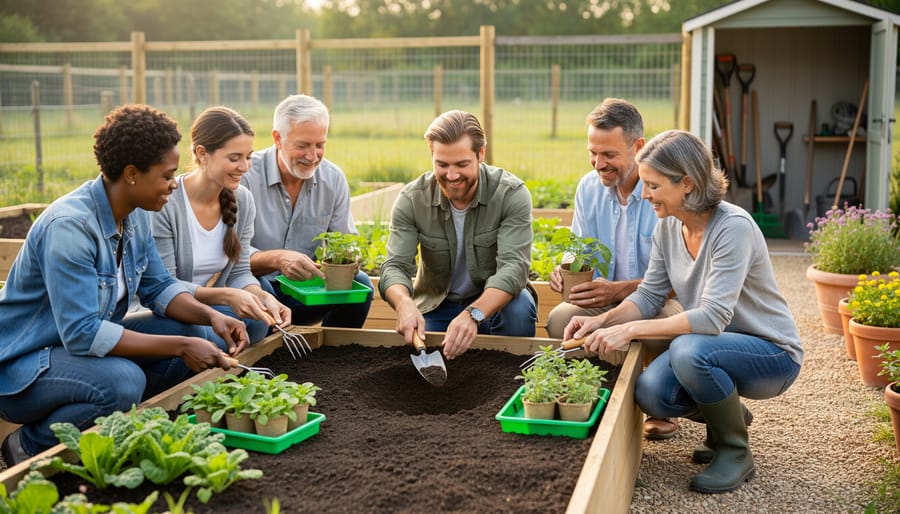
Finding gardening workshops in your area gives you hands-on learning from experienced instructors, access to local plant knowledge, and connections with fellow gardeners who face the same growing conditions you do. Whether you’re just getting started or looking to refine specific skills, local workshops offer practical demonstrations you can’t get from online tutorials alone.
Right now, options range from free urban gardening sessions led by community organizations to specialized classes on composting, native plant cultivation, and season extension techniques. Many programs require no prior experience and provide tools and materials, making it easy to jump in. Green City Growers, for example, runs accessible urban gardening workshops throughout the growing season, with upcoming sessions scheduled through late October 2026. These gatherings typically last 60 to 90 minutes and cover everything from soil preparation to harvest strategies.
The key is finding workshops that match your specific interests and schedule. Community gardens, public libraries, local extension offices, and environmental nonprofits all host regular sessions, often at little or no cost. Registration fills quickly for popular topics, so checking calendars early in the season helps secure your spot. Beyond the technical skills you’ll gain, these workshops connect you with mentors and neighbors who share seeds, troubleshooting advice, and enthusiasm for growing food and flowers in your region.
Why Attend Local Gardening Workshops
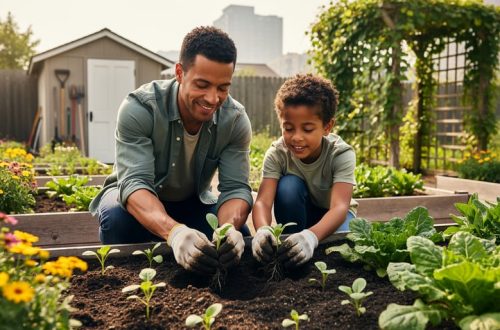
Local gardening workshops transform how you learn by putting tools in your hands and connecting you with people who share your passion. Instead of reading about soil preparation or companion planting, you’ll actually build a compost bin, plant a pollinator garden, or troubleshoot pest problems alongside experienced instructors who can answer your specific questions in real time.
This hands-on approach accelerates your confidence and skill development in ways that books and videos can’t match. When you’re working with actual plants and soil, making mistakes becomes a safe learning opportunity rather than a garden setback, and instructors can spot technique issues you wouldn’t notice on your own.
Beyond the practical skills, workshops create connections with neighbors who face the same gardening challenges you do, whether that’s clay soil, limited space, or figuring out which native plants will thrive in your yard. These relationships often continue after the workshop ends, giving you a community to turn to when you need plant swaps, advice on dealing with unexpected problems, or simply encouragement when your first attempt at succession planting doesn’t go as planned.
Workshops also provide direct access to expertise in sustainable and wildlife-friendly practices that benefit both your garden and the broader environment. You’ll learn techniques like organic pest management, water conservation, and creating habitat for pollinators, practical knowledge that helps you garden responsibly while supporting local ecosystems.
Types of Gardening Workshops You’ll Find
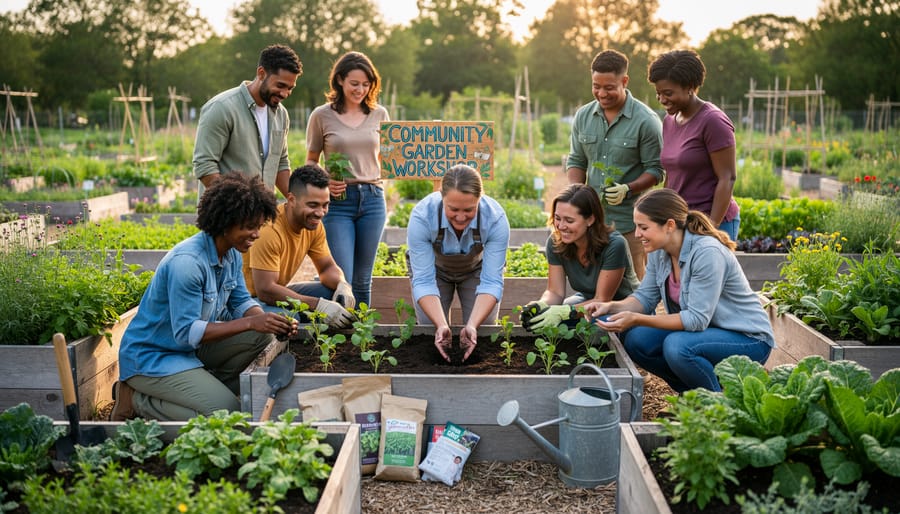
Local gardening workshops come in a wide range of formats designed to meet different interests, skill levels, and time commitments. Whether you’re a complete beginner curious about growing your first tomato or an experienced gardener looking to deepen your knowledge of native plants, you’ll find options tailored to your needs. Workshops vary from single-session introductions to multi-week series, hands-on demonstrations to lecture-style presentations, and indoor classroom settings to outdoor garden-based learning.
Most community gardening programs organize their workshops around practical topics that gardeners can immediately apply at home. You’ll commonly encounter workshops focusing on:
- Urban gardening basics for growing food and ornamentals in small spaces
- Seasonal planting calendars and crop timing for your climate
- Composting and soil health techniques to build fertile gardens
- Wildlife-friendly gardens that support pollinators and beneficial insects
- Integrated pest management using environmentally responsible methods
- Native plant landscaping to create resilient, low-maintenance yards
- Container gardening for balconies, patios, and limited spaces
- Horticulture therapy combining gardening with wellness and community connection
The delivery format matters as much as the topic. Demonstration-style workshops let you watch expert gardeners work through tasks like building compost bins or pruning fruit trees, then try the techniques yourself with guidance. Classroom sessions provide deeper dives into planning and theory, perfect for understanding planting calendars or garden design principles. Community garden days combine education with volunteer work, letting you learn while contributing to shared green spaces.
Many local programs offer free workshops that require no prior experience, making it easy to explore new areas without financial risk. Others charge modest fees that typically include materials or plants to take home. The upcoming sections will walk you through specific workshop types available in your community, with details about what each covers and how to participate.
1. Urban Gardening Fundamentals Workshops
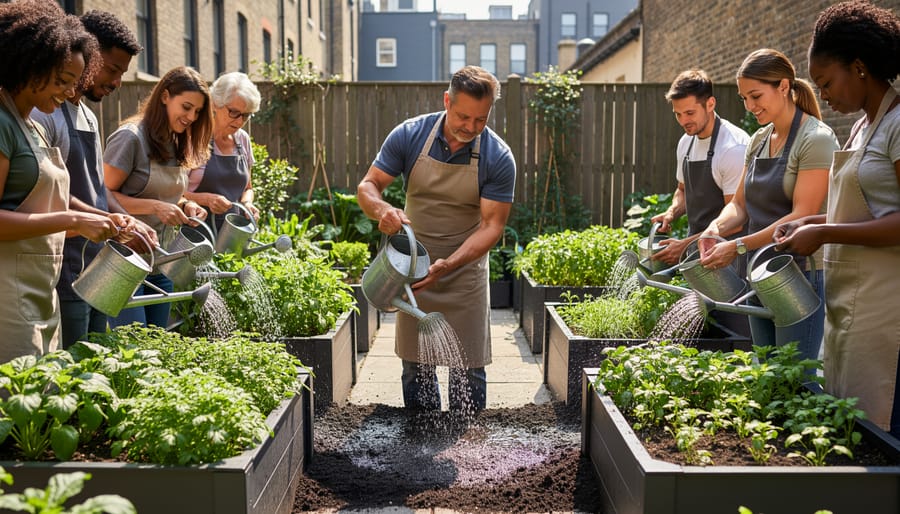
Urban gardening programs give city dwellers the skills to transform balconies, patios, and small yards into productive green spaces. Organizations like Green City Growers run free workshops throughout the growing season that teach you how to maximize limited square footage while supporting local ecosystems.
These sessions cover essential topics including selecting the right plants for containers, preparing wildlife-friendly soil mixes for urban conditions, and managing water and nutrients in confined spaces. You’ll learn practical techniques for vertical gardening, succession planting to extend harvests, and choosing compact varieties that thrive in pots. The hands-on approach means you’ll actually fill containers, mix soil amendments, and practice transplanting rather than just watching demonstrations.
Beyond growing food and ornamentals, these workshops introduce participants to container gardening strategies that attract pollinators and beneficial insects even in dense neighborhoods. Instructors also explain how to get involved with urban community gardens where you can apply what you’ve learned on a larger scale.
For 2026, Green City Growers offers workshops on May 16, May 30, June 13, June 27, July 11, August 1, August 22, September 12, October 3, and October 24. Registration is required but attendance is free, and no prior gardening experience is necessary. For more information about these programs, contact Kerry at keodonnell@somervillema.gov.
2. Seasonal Planting and Garden Planning Sessions
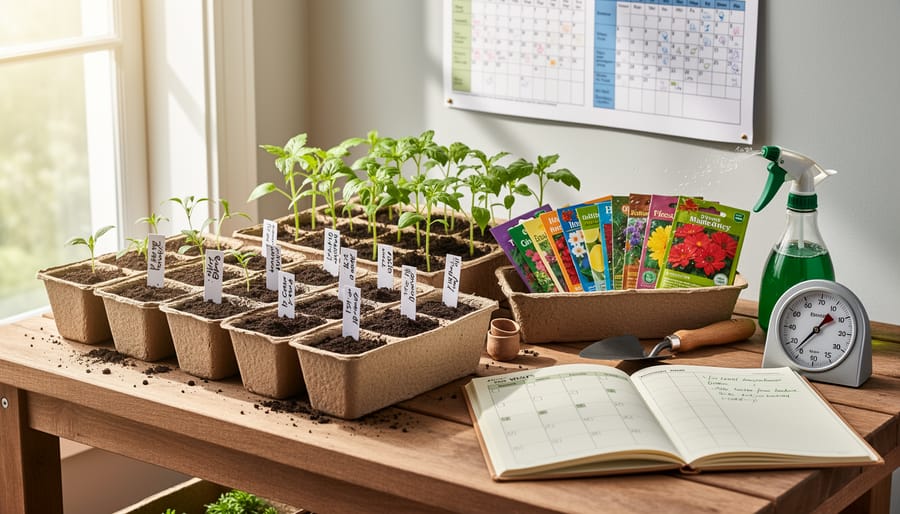
Seasonal planting workshops teach you to stop guessing and start working with nature’s rhythm. These sessions break down when to sow seeds, transplant seedlings, and prepare beds so your plants thrive instead of struggle. You’ll learn how your local frost dates shape the entire growing calendar and why starting tomatoes indoors in March yields better harvests than direct-sowing in May.
Most programs cover crop rotation, the practice of moving plant families to different beds each season to prevent disease buildup and nutrient depletion. Instructors demonstrate companion planting techniques, pairing plants that support each other’s growth while deterring pests naturally. Basil near tomatoes isn’t folklore; it’s practical pest management that workshops teach through hands-on garden layouts.
These classes also address four-season interest, showing how to layer bulbs, perennials, and ornamental grasses so your garden offers color and texture year-round. You’ll discover which native plants bloom early for pollinators emerging from dormancy and which produce late-season berries for migrating birds. The planning component often includes sketching garden maps and creating personalized planting schedules based on your yard’s conditions.
Expect to leave with a calendar tailored to your growing zone, sample companion planting charts, and succession planting strategies that extend harvests from spring through fall. Instructors typically share seed-starting timelines and explain how fall plantings of garlic, cover crops, and cold-hardy greens set you up for success the following year.
3. Composting and Soil Health Demonstrations
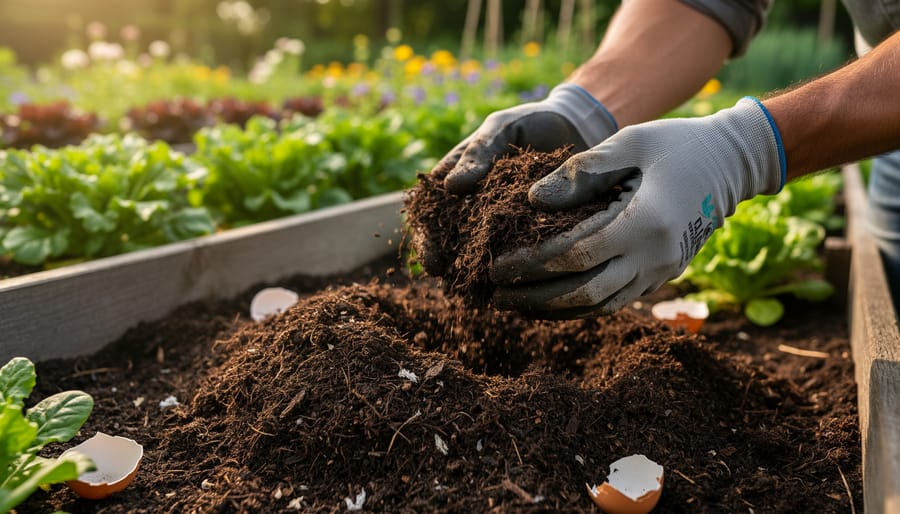
Composting workshops turn yard and kitchen scraps into garden gold while keeping organic waste out of landfills. These hands-on sessions teach you how to build your own compost bin using materials like wire mesh or reclaimed wood, layer brown and green materials in the right ratios, and troubleshoot issues like odor or slow decomposition. You’ll learn what belongs in the pile, coffee grounds, vegetable peels, dry leaves, grass clippings, and what to avoid, such as meat, dairy, or diseased plant material.
Instructors demonstrate how to maintain proper moisture and aeration, turning compost to speed breakdown and create finished material rich in nutrients. Many workshops include soil health demonstrations showing how finished compost improves soil structure, increases water retention, and supports beneficial microorganisms. You’ll discover how healthy soil creates thriving plants that attract pollinators and beneficial insects, supporting the broader goals of Gardening with Creekside and similar wildlife-friendly practices.
Participants often leave with starter instructions, recommended bin designs, and a clear understanding of how long the composting process takes. The environmental payoff is immediate: diverting waste from landfills, reducing methane emissions, and creating a free soil amendment that eliminates the need for synthetic fertilizers.
4. Native Plants and Wildlife Habitat Workshops
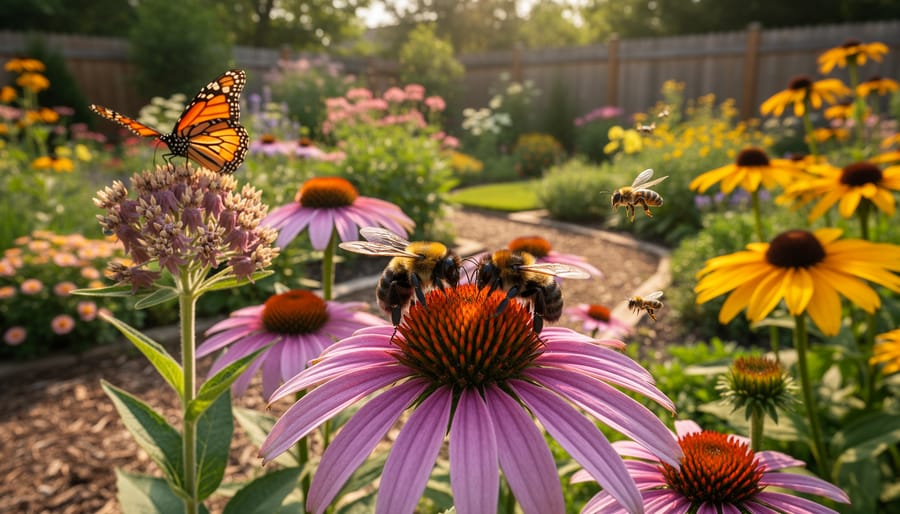
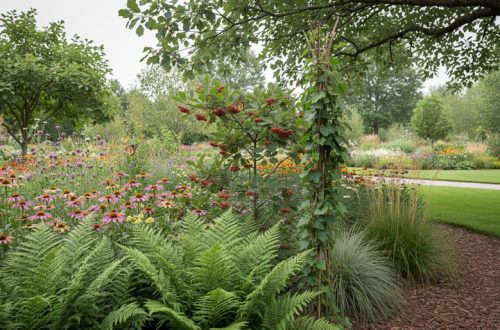
Native plant and wildlife habitat workshops transform ordinary gardens into thriving ecosystems that support local biodiversity while reducing maintenance demands. These sessions teach you how to identify plants native to your region, understand their role in the local food web, and design landscapes that provide year-round habitat for pollinators, songbirds, and beneficial insects.
Participants learn practical selection criteria for choosing natives that match their site conditions, sun exposure, soil type, moisture levels, and discover how to arrange plants in layered communities that mimic natural habitats. Instructors demonstrate planting techniques specific to native species, explain how to source ethically propagated plants rather than wild-collected specimens, and share strategies for transitioning existing gardens gradually without overwhelming your budget or schedule.
These workshops often include field identification walks through demonstration gardens where you can observe established pollinator plantings in action. You’ll see firsthand how different native flowers attract specific butterfly species, which shrubs provide nesting sites for birds, and how leaving seed heads standing through winter feeds wildlife while adding structure to dormant gardens.
Many sessions address common concerns about native plant aesthetics, debunking the myth that wildlife gardens look messy or unkempt. You’ll explore design principles that create beautiful, intentional landscapes while maximizing ecological value. Instructors also cover integrated pest management from a wildlife-friendly perspective, explaining how native plant communities naturally resist problems when sited correctly and how attracting predatory insects reduces the need for intervention.
Expect to leave with plant lists tailored to your area, design sketches, and connections to local native plant sales and conservation groups that can support your ongoing efforts.
5. Community Garden Days and Volunteer Training
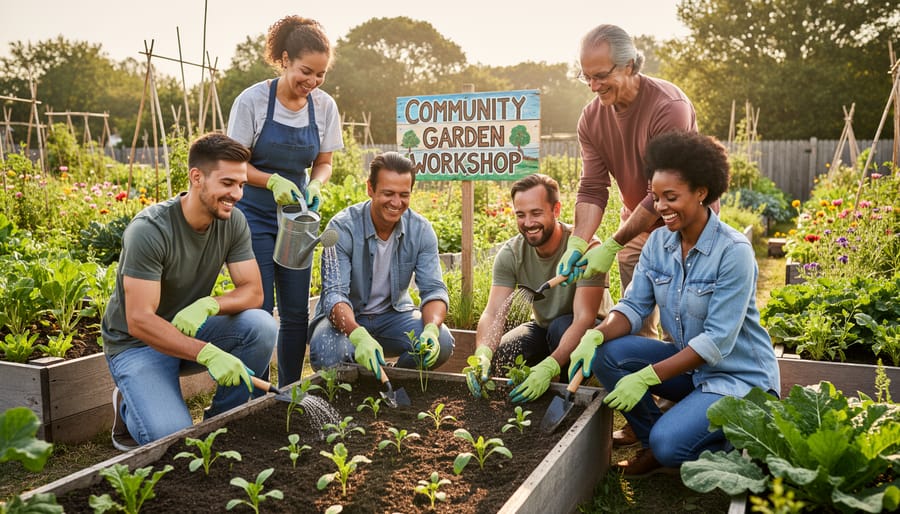
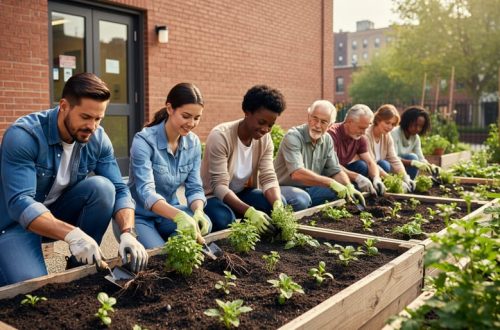
Community garden days offer a unique blend of hands-on work and learning that transforms you from workshop participant into active contributor. These events typically invite volunteers to help maintain demonstration gardens while picking up skills through direct mentoring from experienced gardeners and Master Gardener volunteers. You’ll learn practical techniques, transplanting seedlings, mulching pathways, identifying beneficial insects, while contributing to gardens that serve as living classrooms for your community.
Extension Master Gardener volunteer training takes this involvement several steps further. These comprehensive programs train volunteers to become certified horticultural educators who can answer gardening questions, staff plant clinics, and lead their own workshops. The training covers everything from soil science and plant pathology to sustainable landscaping and integrated pest management. Once certified, volunteers typically commit to a set number of service hours in exchange for ongoing education and access to university research.
Many demonstration garden events run throughout the growing season, offering regular opportunities to drop in and participate. For instance, some 2026 sessions include September 11 from 10-11:30am at a local Demonstration Garden, providing perfect entry points for newcomers. These sessions welcome all skill levels and require no long-term commitment, making them ideal if you want to test the waters before pursuing formal training. The friendships and mentor relationships you build during community garden days often prove just as valuable as the horticultural knowledge you gain.
How to Find and Choose the Right Workshop
Start your search for gardening workshops by checking with your county extension office, which often hosts free classes and can connect you to Master Gardener programs. Community centers, botanical gardens, public libraries, and environmental nonprofits also run regular workshops on topics ranging from composting to native plant selection. Many organizations post schedules on their websites or social media pages, so a quick online search for “gardening workshops” plus your town name usually yields results.
When choosing which workshop to attend, match the topic to your immediate gardening goals. If you’re planning your first vegetable patch, look for beginner sessions on soil preparation and seasonal planting. Already have a garden but want to attract more pollinators? Seek out native plant or wildlife habitat workshops. Consider the time commitment as well. Some workshops run for a single morning, while others meet weekly or require volunteer hours.
Check the skill level listed in the description. Programs marked “no gardening experience necessary” provide foundational instruction, while advanced sessions assume you know basic techniques. Think about your learning style too. Hands-on demonstrations suit those who learn by doing, whereas lecture-format classes work better if you prefer detailed explanations first.
For more information about specific programs, contact the organizers directly. For example, you can reach out to Kerry at keodonnell@somervillema.gov to learn about urban gardening workshops offered through local community partnerships. Most organizers welcome questions about content, accessibility, and what to bring.
What to Expect at Your First Workshop
Walking into your first gardening workshop can feel a bit uncertain, but most are designed with newcomers in mind. You’ll typically receive confirmation details when you register, often including a brief materials list and parking or transit information. Plan to arrive about ten minutes early to sign in, grab any handouts, and introduce yourself to the instructor.
Most workshops run between one and two hours. The first fifteen minutes usually cover introductions and an overview of the day’s topic. Then you’ll dive into hands-on activities, whether that’s building a compost bin, potting up seedlings, or touring a demonstration garden while learning plant identification. Instructors encourage questions throughout, not just at the end, so speak up when you’re curious about adapting techniques to your own space.
One participant at a Green City Growers session shared that she appreciated how the instructor invited everyone to handle the soil amendments and smell the compost, making abstract concepts tangible. You’ll likely leave with printed guides, plant care sheets, or resource lists. Some workshops also offer seed packets, small plants, or discount codes for local nurseries.
Bring a notebook, your phone for photos, and dress for the weather if any portion takes place outdoors. The atmosphere is relaxed and collaborative, fellow participants often swap tips and contact information for ongoing support.
Practical Information: Registration, Timing, and Access
Most gardening workshops require advance registration, though the process is straightforward. For programs like Green City Growers’ urban gardening series, you can typically register online or by contacting the organizer directly. Email remains a reliable method, for instance, you can reach the Somerville Public Library’s programs at keodonnell@somervillema.gov. Many workshops are free, making them accessible to anyone interested in learning.
Scheduling varies but tends to accommodate different availability. Weekend sessions suit working gardeners, while weekday morning workshops often attract retirees and parents with school-aged children. The 2026 calendar shows this variety clearly:
| Date | Time | Format |
|---|---|---|
| May 16, 30 | Varies | Urban Gardening Series |
| August 29 | 9-10 am | Chapman Park Session |
| September 11 | 10-11:30 am | Demonstration Garden |
| October 3, 24 | Varies | Fall Sessions |
Accessibility considerations matter. When registering, mention any mobility concerns or other needs, community gardens and demonstration sites often have paved paths and seating areas, though conditions vary. If you need to cancel, notify organizers as soon as possible. Many programs maintain waitlists, so your spot can help someone else attend. No gardening experience is necessary for most workshops, which removes a common barrier for beginners who worry about feeling out of place.
Local Tips for Making the Most of Workshops
Attending a gardening workshop is one thing, getting the full value from it requires a bit of strategy. The most engaged participants don’t just show up at the starting time. They arrive 10-15 minutes early to introduce themselves to the instructor, scope out the demonstration area, and chat with other participants before things get busy. This extra time often leads to informal conversations where instructors share bonus tips or recommend resources they won’t mention during the formal session.
Simple preparation makes a big difference:
- Bring a small notebook and pen to jot down plant names, timing advice, and techniques you want to remember
- Use your phone camera to photograph plant labels, demonstration steps, and any handouts for easy reference later
- Ask the instructor about plant swaps, seed exchanges, or community resource-sharing opportunities
- Exchange contact information with two or three fellow participants who share your gardening interests
- Inquire about volunteer opportunities at demonstration gardens where you can practice new skills
- Request the instructor’s email or the organization’s newsletter to stay informed about future workshops and events
Don’t hesitate to ask questions during hands-on portions, instructors expect them and often learn what topics need clearer explanation. Many participants find that the casual conversations during breaks or after the session ends are just as valuable as the formal instruction. These connections often evolve into gardening friendships, carpooling arrangements for future workshops, or informal mentoring relationships that support your gardening journey long after the workshop ends.
Common Questions About Gardening Workshops
Do I need prior gardening knowledge to attend a workshop? Not at all. Most community gardening workshops, including those offered by organizations like Green City Growers, are designed for all skill levels and explicitly welcome participants with no gardening experience. Instructors expect beginners and structure sessions to build foundational skills before moving to advanced topics.
Are these workshops really free? Yes, many community gardening workshops are offered at no cost, supported by local governments, extension services, and nonprofit organizations. Registration is required for planning purposes, but there’s typically no fee to participate. Some specialized multi-session programs may charge for materials, so check the specific workshop description when you register.
What should I bring to a workshop?
Most workshops provide all necessary tools and materials, but bring a notebook, camera or phone for photos, a water bottle, and sun protection for outdoor sessions. Wear comfortable clothes you don’t mind getting dirty and closed-toe shoes suitable for garden work.
Can I bring my children?
Policies vary by workshop, so contact the organizer directly to ask about age restrictions and whether the content suits young learners. Some sessions are family-friendly while others work best for adult participants who can focus on detailed instruction.
How do I find workshops in my area?
Check with your local cooperative extension office, community centers, botanical gardens, and municipal websites for current schedules. For specific program information, you can reach out to organizers directly, for example, contact Kerry at keodonnell@somervillema.gov for details about urban gardening programs.
What if I can’t attend all sessions in a series?
While attending every session provides the most comprehensive learning, many series are designed so individual workshops stand alone. Contact the organizer to ask whether you can join mid-series or if missing one session will affect your understanding of later topics.
If you have specific questions not covered here, don’t hesitate to reach out to workshop organizers before registering. They’re accustomed to helping newcomers and want to ensure workshops meet your needs and fit your schedule.
Local gardening workshops offer more than just practical skills, they’re gateways to vibrant communities of people who share your passion for growing things. Whether you’re curious about starting your first container garden or ready to transform your yard into a wildlife haven, there’s a welcoming space for you among fellow gardeners who remember what it felt like to be beginners.
Taking that first step to register for a workshop might feel intimidating, but the gardening community thrives on generosity and shared learning. You’ll find experienced instructors eager to answer your questions and neighbors happy to swap tips about what works in your local climate. The hands-on practice you gain in a single afternoon accelerates your confidence far beyond what any book or video can provide.
Beyond healthier plants and bigger harvests, participating in community gardening education creates ripples of environmental benefit. Every gardener who learns to compost reduces landfill waste. Each new pollinator garden supports struggling bee populations. These collective actions matter, and they start with individuals like you showing up ready to learn and grow, in every sense of the word.