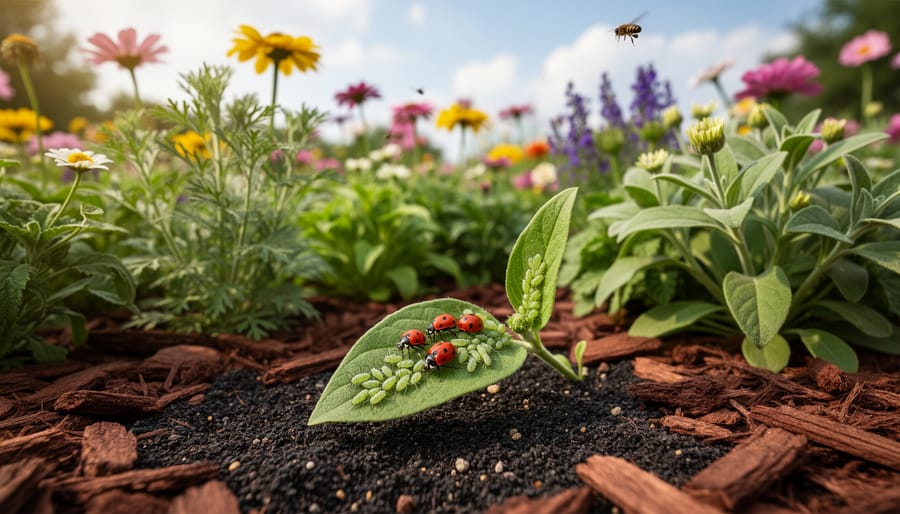
Natural gardening techniques are growing methods that work with nature instead of against it. Rather than relying on synthetic fertilizers and chemical sprays, you build healthy soil, welcome beneficial insects, and let plants and wildlife do much of the heavy lifting for you.
It works because a garden is a living system. Compost feeds the soil life that feeds your plants. Flowers draw in ladybugs that eat aphids. Mulch holds moisture so you water less. Each small choice supports the next.
This guide covers the main approaches, from composting and companion planting to pollinator habitats and mulching, with simple steps you can start this weekend. You don’t need a big yard or years of experience. Community garden volunteers and first-time balcony growers alike use these methods to grow food, cut waste, and give local wildlife a place to thrive.
What Natural Gardening Really Means
Natural gardening means growing plants by working with the way nature already works, instead of fighting it. Rather than reaching for synthetic fertilizers and chemical sprays, you build a healthy space where soil, plants, insects, and birds all help each other out. Conventional gardening often relies on those quick fixes, which can wash into streams and harm the helpful creatures you actually want around. A natural garden takes a gentler path. If you’re ready to start gardening sustainably this is the mindset that makes everything else easier.
Here are a few friendly terms you’ll see throughout this guide:
- Natural gardening
- Growing plants in a way that supports healthy soil, local wildlife, and the natural balance of your yard.
- Sustainability
- Caring for your garden so it stays healthy for years without using up water, soil, or other resources faster than they can be replaced.
- Native plants
- Plants that grew in your region long before gardens existed, so they’re already suited to your local weather and soil.
- Pollinators
- Bees, butterflies, moths, and other visitors that carry pollen from flower to flower so plants can make seeds and fruit.
- Organic matter
- Anything that was once alive, like fallen leaves or kitchen scraps, that breaks down and feeds the soil.
- Habitat
- The food, water, and shelter a creature needs to live, which a garden can provide.
Why does this matter? Healthy soil is full of tiny living things, what gardeners call soil biology, and they quietly feed your plants. Native plants and safe shelter bring in local wildlife, and a garden full of life needs far less effort from you over time.
How Natural Gardening Works: Letting Nature Do the Heavy Lifting
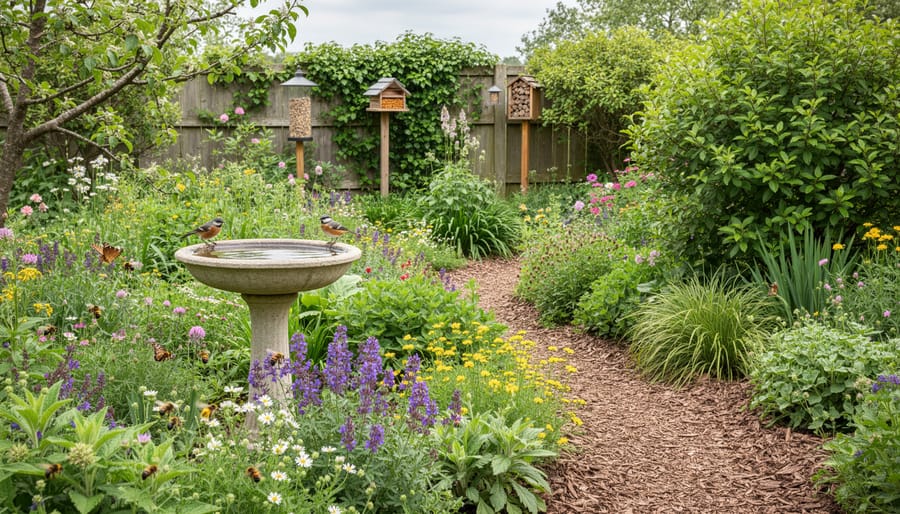
Think of a natural garden as a tiny neighborhood where everyone has a job. When the pieces work together, you spend far less time fixing problems and more time enjoying the garden.
It all starts underground. Healthy soil is like a well-stocked pantry for your plants. It’s packed with earthworms, fungi, and microscopic helpers that break down fallen leaves and turn them into food. When you build wildlife-friendly soil plants grow stronger roots, shrug off stress, and don’t need much extra feeding.
Strong plants are naturally better at fending off trouble. And when pests do show up, the garden has its own cleanup crew. Ladybugs munch aphids, birds snap up caterpillars, and tiny wasps keep other insects in check. Think of them as the neighborhood watch. They only stick around if they have somewhere to live, which is why gardeners often create wildlife habitats with a few shrubs, a brush pile, or a patch of flowers.
Water is the next piece. Plants that suit your local climate are like people dressed for the weather. They’re comfortable, so they don’t need much help. Once established, they sip rainfall instead of guzzling from the hose, and their deep roots also help soak up rain so it doesn’t run off.
Notice how each part feeds the next. Rich soil grows tough plants, tough plants shelter helpful wildlife, and that wildlife protects the plants. Mulch and fallen leaves return to the soil, and the loop starts over.
You don’t need to build all of this at once. Even one or two of these pieces will start the cycle working in your favor.
Core Natural Gardening Techniques to Know
Building Healthy Soil with Compost and Mulch
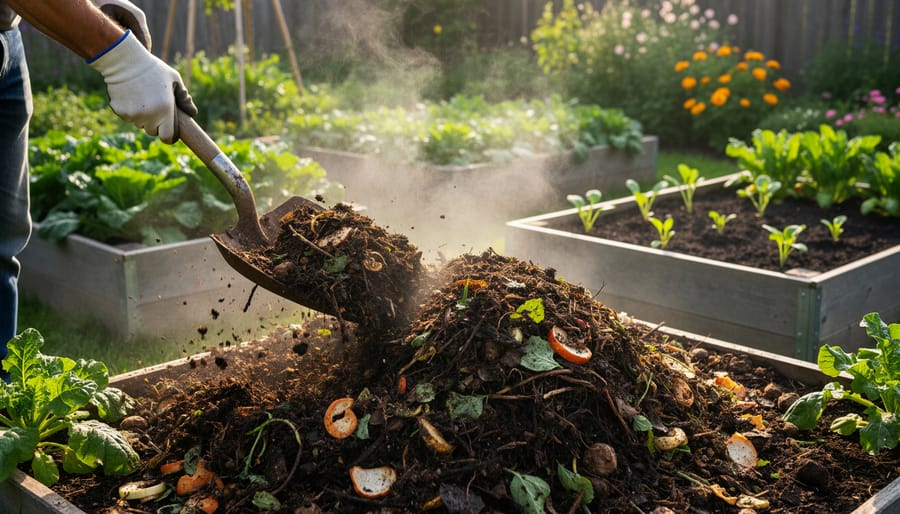
Healthy soil is the heart of a natural garden, and two simple habits build it: composting and mulching.
Starting a compost pile is easier than it sounds. Pick a shady or partly sunny spot about three feet square, and follow these steps:
1. Lay down a few sticks or twigs so air can move underneath.
2. Add “browns” like dry leaves, shredded paper, and cardboard.
3. Add “greens” like vegetable scraps, coffee grounds, and fresh grass clippings.
4. Aim for roughly two parts brown to one part green.
5. Sprinkle with water until it feels like a wrung-out sponge.
6. Turn the pile every week or two with a garden fork.
Keep meat, dairy, oils, pet waste, and diseased plants out of the pile, since they attract pests and can spread problems. In a few months, you’ll have dark, crumbly compost that smells like a forest floor.
Mulch is the finishing touch. Spread two to three inches of shredded leaves or wood chips around your plants, keeping it a few inches back from stems so they stay dry. This blanket shades the soil, slows evaporation, and keeps weeds down. As it breaks down, earthworms pull it underground and turn it into food for your plants. Fallen autumn leaves are free mulch, so don’t send them to the curb.
Planting Native Species and Encouraging Pollinators
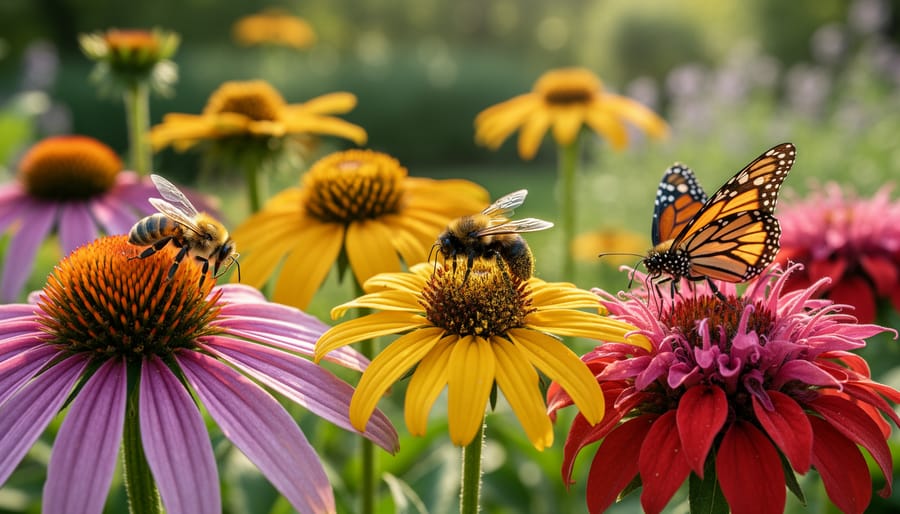
Native plants are the ones that grew in your area long before gardens did. They’ve adapted to local soil, rainfall, and seasons, so once established they usually need far less watering, fertilizer, and fuss than imported ornamentals. Deep roots help too, since they soak up rain and keep soil in place.
The bigger payoff is wildlife. Native flowers produce the pollen and nectar that local bees and butterflies evolved to use, and native shrubs and grasses host the caterpillars that baby birds depend on. A single oak or a patch of milkweed can feed far more insects than a showy imported flower.
You don’t need to replant your whole yard. Start with three or four easy, forgiving natives for the mid-Atlantic, such as:
– Purple coneflower, a sun-lover that bees and finches adore
– Black-eyed Susan, which blooms for weeks with almost no care
– Common milkweed or swamp milkweed, the essential food plant for monarch caterpillars
– Little bluestem, a tidy grass that gives birds seeds and shelter through winter
Group them in clumps rather than single plants, since pollinators find bigger splashes of color more easily. Water them well the first season, then step back and enjoy the visitors.
Not sure what suits your site? Your local Extension Master Gardener volunteers can share native plant lists matched to your county, along with tips on sun, soil, and where to buy healthy plants.
Managing Pests Naturally
A healthy garden is never pest-free, and that’s actually good news. A few chewed leaves mean your garden is feeding something, and those somethings feed other helpful creatures in turn. Try accepting a little nibbling before you reach for any fix.
When pests do get ahead of you, start gently. Plant small-flowered herbs like dill, yarrow, and alyssum to invite ladybugs and lacewings, which snack on aphids all season. Tuck marigolds or basil beside your tomatoes, since their strong scents can confuse the bugs hunting for a meal. For bigger visitors like hornworms or beetles, hand-picking works wonders. Check plants in the morning and drop what you find into a bucket of soapy water.
Be patient. Helpful insects often arrive a few weeks after the pests do, and the garden tends to balance itself out.
Saving Water and Creating Habitat
Water is one of the easiest places to practice natural gardening. A rain barrel under a downspout collects free, chlorine-free water that plants love. Even a single barrel can cover a few beds between storms.
When you do water, go slow and low. Drip lines or a soaker hose put moisture right at the roots, so less evaporates. Group plants by thirst too, with the thirsty tomatoes together and the drought-tolerant natives in their own spot, so you’re never overwatering anyone.
Then give wildlife a place to live. Set out a shallow dish of water with a few stones for bees to perch on. Stack fallen branches into a brush pile, and leave a corner of leaf litter where toads, beetles, and overwintering insects can shelter.
How Natural Gardening Is Used Around the Community
Natural gardening isn’t just for big country yards. The same simple ideas work almost anywhere people want to grow something and make room for nature. Here are some of the places you’ll see these techniques in action:
- Backyards, where a few native plants and a leaf pile can turn a lawn into wildlife habitat.
- School gardens, where students watch compost, pollinators, and plant life cycles up close.
- Therapy and horticultural therapy gardens, where calm, low-chemical spaces support healing and wellbeing.
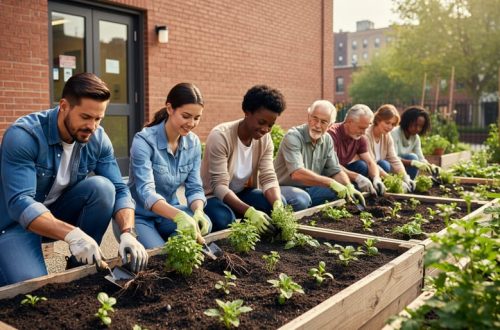
- Community plots, where neighbors share tools, compost, and know-how.
- Balconies and containers, where a pot of native flowers can still feed a passing bee.
- Shared green spaces like church lots, library lawns, and neighborhood common areas.
What ties these spaces together is scale, not size. A single pot of native wildflowers on an apartment balcony follows the same principles as a half-acre habitat: healthy soil, plants that suit the local climate, and a welcome mat for helpful insects and birds.
Extension Master Gardener volunteers often see this firsthand. A common story goes something like this: a group of neighbors looks at a bare, patchy corner of a shared yard, the kind of spot where grass struggles and nobody lingers. They spread a layer of leaves and wood chips, add a handful of native perennials, and set out a shallow water dish. By the next season, bees and butterflies are visiting, birds are stopping by, and people are stopping to chat. Volunteers will tell you the biggest change isn’t just the plants. It’s that the space becomes a place where the whole community wants to spend time.
That’s the quiet power of natural gardening. You don’t need a perfect plan or a big budget, just a willingness to start small and let nature help.
Common Questions About Natural Gardening
Short answers to the questions beginners ask most.
Will my garden look messy?
Not if you plan it. Mulched beds, tidy edges, and a few clipped paths show that the wildness is on purpose, and neighbors usually love the butterflies and birds that follow.
How soon will I see results?
You’ll notice pollinators within the first season, while soil improvements build over a year or two. Patience pays off with healthier, easier-care plants.
Is it expensive to start?
Usually it costs less than conventional gardening. Compost from scraps, free leaf mulch, and fewer fertilizers and pesticides keep your budget happy.
Can I do this in a small space?
Absolutely. A few native plants in containers and a shallow water dish can turn a balcony into a mini habitat.
Wondering where to get hands-on help? You can join local workshops and learn alongside friendly neighbors and experienced volunteers.
You don’t need to overhaul your whole yard to garden naturally. Pick one or two techniques that feel doable this season, maybe starting a small compost pile or tucking a few native plants into a sunny corner. Each small step builds healthier soil, welcomes more pollinators, and saves water, which is exactly what Gardening Techniques for Sustainability are all about.
Remember, a little leaf nibbling and a few wild corners are signs your garden is alive. If you’d like company along the way, look for workshops, demonstrations, and volunteer opportunities offered by your local Master Gardener community. Grab a trowel and start small.