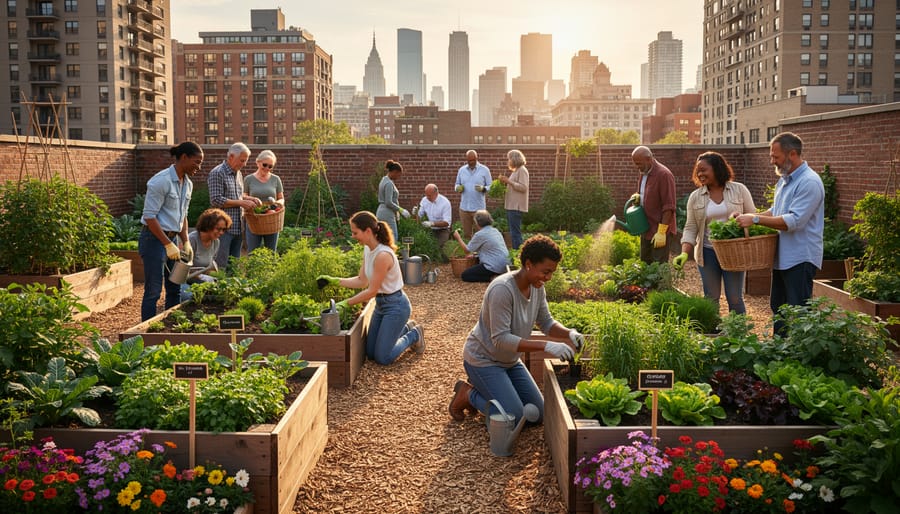
Transform empty urban lots into thriving green spaces by rallying neighbors through door-to-door conversations and social media groups dedicated to local sustainability. Start small with a pilot plot to demonstrate success before expanding, securing permissions from property owners or city councils with a clear proposal outlining community benefits and maintenance plans.
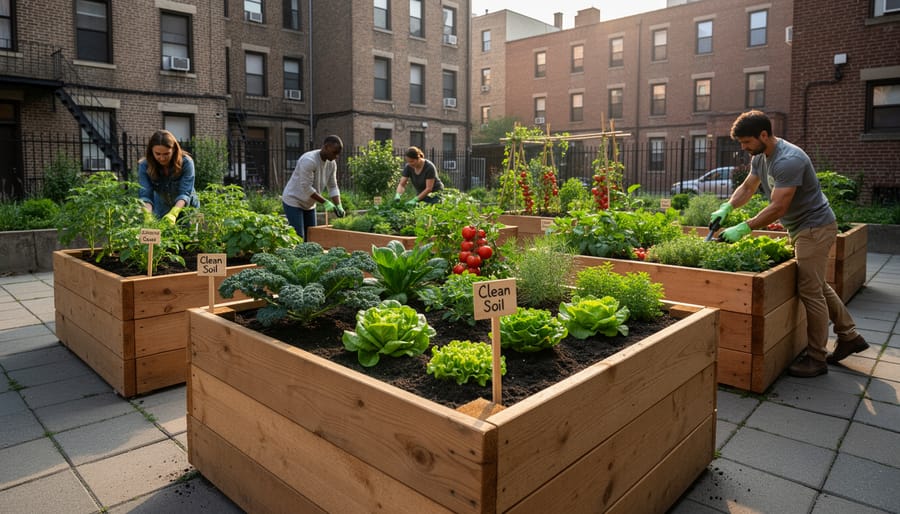
Address limited space by maximizing vertical growing with trellises, wall-mounted planters, and tiered raised beds that produce abundant harvests in compact areas. Contaminated urban soil requires testing before planting—build raised beds filled with clean compost and topsoil to create safe growing environments, or use large containers that bypass ground soil entirely.
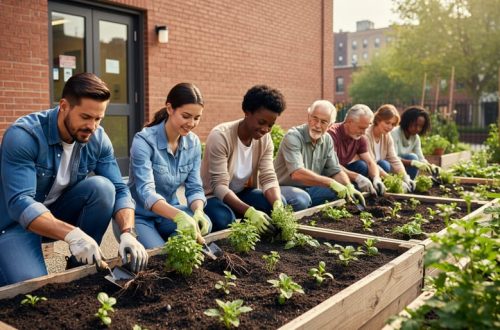
Build momentum through inclusive weekend work parties where experienced gardeners mentor newcomers in planting, watering schedules, and organic pest management. Establish clear roles by creating committees for different tasks: plot coordination, tool management, composting systems, and wildlife habitat creation with native pollinator plants and water sources.
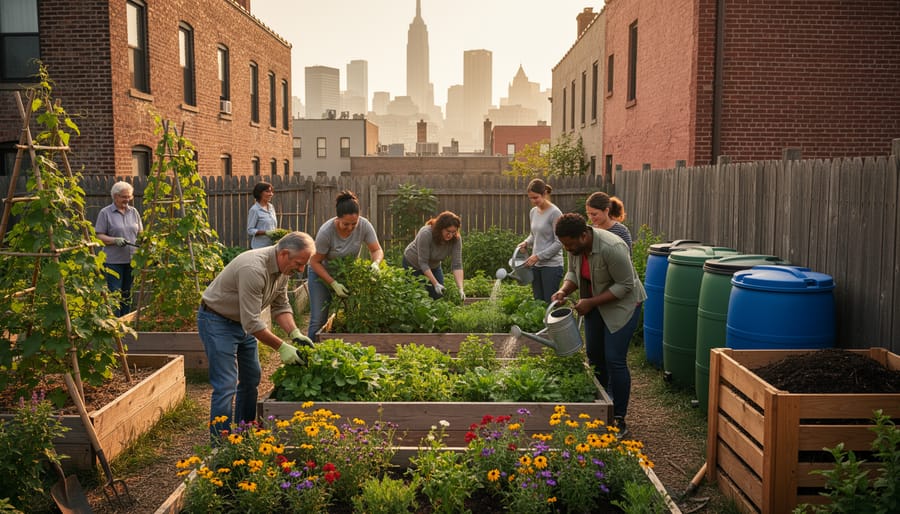
Overcome water access challenges by installing rain barrels to capture roof runoff, negotiating with nearby businesses for hose access, or applying for municipal water connections through community garden programs. Secure long-term sustainability through modest plot fees, fundraising events, and partnerships with local environmental organizations that provide resources and expertise.
Urban community gardens transform concrete jungles into vibrant ecosystems where neighbors grow fresh produce, children learn where food comes from, and pollinators find refuge. These shared green spaces reduce food insecurity, strengthen social bonds, and prove that determined communities can cultivate abundance anywhere.
What Makes Urban Community Gardens Special
Urban community gardens transform underutilized city spaces into vibrant green havens that serve purposes far beyond traditional backyard plots. These collaborative growing spaces bring together neighbors from diverse backgrounds, creating connections that might never happen otherwise. When space is limited, creativity flourishes. Gardeners stack vertical planters, hang herbs from fences, and convert shipping pallets into raised beds, proving that you don’t need acres to grow abundantly.
What truly sets these gardens apart is the collective knowledge-sharing that happens naturally. A retired teacher shares composting wisdom with a young family. A recent immigrant introduces heirloom vegetables from their homeland. Everyone learns together, and mistakes become group problem-solving sessions rather than private frustrations. This collaborative spirit makes urban gardens powerful educational hubs where children discover where food comes from and adults rediscover their connection to nature.
Urban community gardens provide benefits that ripple throughout entire neighborhoods. They reduce urban heat islands by cooling surrounding areas, filter stormwater runoff, and create essential habitat corridors for pollinators and birds struggling to survive in concrete landscapes. Each garden plot becomes a small environmental victory in the heart of the city.
These gardens also address food access challenges in underserved neighborhoods, putting fresh vegetables within reach of families who might otherwise rely solely on convenience stores. The social benefits prove equally valuable. Regular gardening time creates routine outdoor activity, reduces stress, and builds support networks that extend beyond garden gates. Members watch out for each other, share harvests during abundant times, and organize potlucks celebrating the season’s bounty. This sense of belonging and shared purpose makes urban community gardens far more than just places to grow tomatoes—they’re catalysts for neighborhood transformation and resilience.
Starting Your Urban Community Garden: The First Steps
Finding and Securing Your Garden Space
Finding the perfect spot for your community garden starts with curious exploration of your neighborhood. Walk through your area with fresh eyes, looking for underutilized spaces like vacant lots, unused corners of parks, or areas behind community buildings. Churches often have extra lawn space they’d love to see put to good use, and schools frequently welcome gardens as outdoor learning laboratories for students.
Once you’ve identified potential sites, do some detective work. Visit your local planning office or check online property records to find out who owns the land. Don’t be discouraged if it’s privately owned—many property owners appreciate community beautification efforts that reduce maintenance costs and discourage illegal dumping.
When approaching property owners, come prepared with a simple proposal. Explain your vision, emphasize the community benefits, and address their likely concerns about liability and maintenance. Maria Chen, who started three gardens in Chicago, advises: “Bring photos of successful gardens and offer a clear plan for insurance and upkeep. Most importantly, listen to what matters to the property owner.”
For formal agreements, seek short-term leases of one to three years initially, with renewal options. This protects both parties while you build trust and demonstrate your garden’s value. Consider partnering with established nonprofits who can help navigate legal requirements and sometimes provide liability coverage. Many cities now have land trust programs specifically designed to support community gardens, offering affordable long-term leases and technical assistance to get you started.
Building Your Garden Community
Building a thriving garden community starts with reaching out to your neighbors through multiple channels. Post colorful flyers at local coffee shops, libraries, and community centers, and create a social media presence to share your vision. Maria Chen, who founded the Riverside Community Garden in Portland, suggests starting small: “I invited just five neighbors to our first meeting. Word spread naturally when people saw our enthusiasm.”
Host your initial meeting in a welcoming, accessible space like a local library or community room. Keep the atmosphere casual and open to all experience levels. Create a simple agenda that covers the garden’s purpose, potential location, and next steps. Bring coffee and snacks to make people feel comfortable sharing ideas.
Establishing clear but flexible governance from the start prevents future conflicts. Many successful gardens use a steering committee model where members volunteer for specific roles like treasurer, communications coordinator, or plot manager. Rotate leadership annually to keep fresh perspectives flowing.
Make inclusivity a priority by considering physical accessibility, offering plots at various price points (including free options), and welcoming diverse cultural gardening traditions. The Greenway Garden in Chicago celebrates this diversity by hosting monthly potlucks where members share dishes made from their harvests and swap seeds from their heritage plants.
Create written guidelines covering plot maintenance expectations, water usage, and organic practices, but leave room for creativity. Regular weekend work parties strengthen bonds while maintaining shared spaces. Consider establishing a buddy system pairing experienced gardeners with newcomers, ensuring everyone feels supported and valued in your growing community.
Navigating Permits and Partnerships
Before breaking ground, you’ll need to navigate some essential paperwork and connections. Start by contacting your city’s parks and recreation department or land management office to understand zoning laws, required permits, and liability insurance needs. Many cities now offer streamlined processes specifically for community gardens, so ask directly about urban agriculture programs.
Water access is crucial—investigate whether you can connect to municipal water lines or if you’ll need alternative solutions like rainwater harvesting systems. Your local Extension Master Gardener program is an invaluable free resource, offering expert training workshops, soil testing guidance, and ongoing support throughout your garden’s development. These volunteers bring decades of combined gardening knowledge and love connecting with community projects.
Consider partnering with nearby schools, churches, or nonprofit organizations. These partnerships can provide additional funding opportunities, volunteer networks, and long-term stability for your garden. One Chicago garden found success by partnering with their neighborhood library, which now hosts seed exchanges and gardening workshops. Don’t hesitate to reach out—most organizations welcome collaborative green space initiatives that benefit the community.
Designing Your Garden for Wildlife and Community
Creating a thriving urban community garden means thinking beyond rows of vegetables. The most successful gardens weave together food production, wildlife habitat, and accessible spaces where everyone feels welcome. With thoughtful planning, your community can cultivate a vibrant ecosystem that feeds both people and nature.
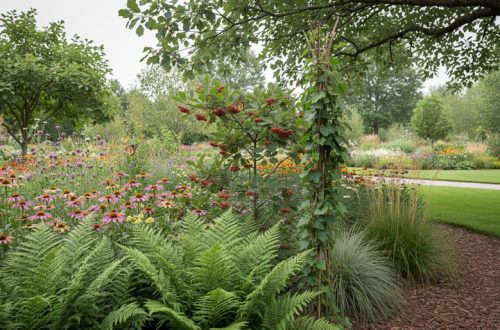
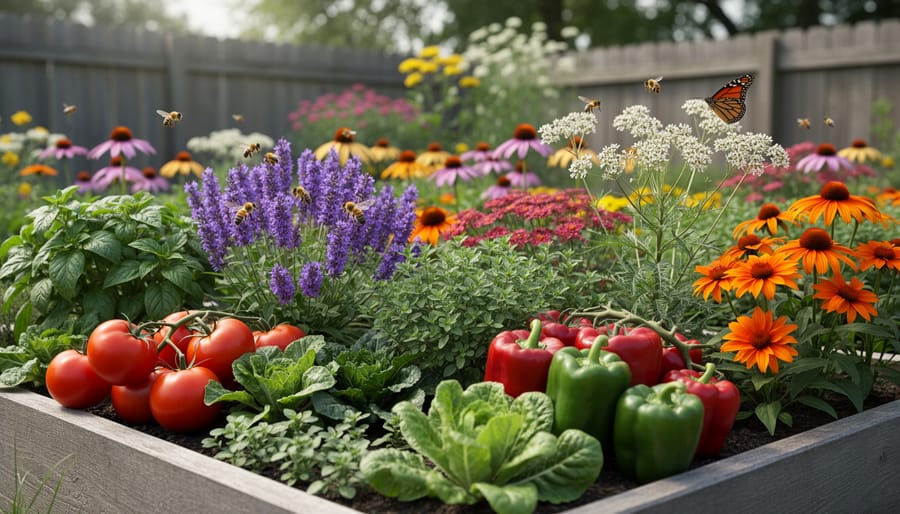
Start by mapping your garden with zones that serve different purposes. Dedicate at least 20-30% of your space to native plants and pollinator-friendly areas. These zones don’t compete with food production—they enhance it. A corner filled with native wildflowers and shrubs becomes a haven for bees, butterflies, and beneficial insects that will pollinate your vegetables and control pests naturally. Consider mixing edible flowers like calendula and borage among your native plantings for dual-purpose spaces.
When selecting plants, prioritize native species that evolved alongside local wildlife. Talk with nearby gardening groups or extension offices to discover which plants best support your region’s pollinators and birds. Maria Chen, who helped establish the Riverside Community Garden in Seattle, shares this wisdom: “We planted native salal and Oregon grape along our borders, and within months we saw more songbirds than ever before. The wildlife brought such joy to our gardeners, especially the kids.”
Key elements to incorporate throughout your design include:
- Pathways at least 4 feet wide to accommodate wheelchairs and walkers
- Raised beds at varying heights for different mobility needs
- Water features like birdbaths or small ponds for wildlife hydration
- Brush piles and rock walls that provide shelter for beneficial insects and small creatures
- Signage with clear, large text and garden maps at entrances
- Seating areas where community members can rest and observe nature
These foundational elements create an inclusive environment where diverse community members can participate comfortably while supporting local ecosystems.
Remember to leave some areas a little wild. That untidy corner with dried flower stalks and leaf litter isn’t messy—it’s essential habitat where native bees nest and beneficial insects overwinter. Creating small unmulched patches of bare soil gives ground-nesting bees a home too.
By designing with intention, your community garden becomes more than a food source. It transforms into a neighborhood sanctuary where people connect with each other and the natural world, creating lasting environmental impact right in your urban landscape.
Overcoming Common Urban Garden Challenges
Working With Contaminated Soil
Urban soils can harbor contaminants like lead, heavy metals, and industrial residues from previous land use. Before breaking ground, contact your local extension office about testing procedures for soil contamination to understand what you’re working with.
If tests reveal contamination, raised beds offer an excellent solution. Build frames at least 12 inches deep using untreated wood or composite materials, then fill with certified clean topsoil and compost. Line the bottom with landscape fabric to prevent root penetration into contaminated ground below. This creates a safe growing environment while still allowing drainage.
For added protection, focus leafy greens and root vegetables in raised beds while growing fruit-bearing plants like tomatoes and peppers in containers, as fruits typically absorb fewer contaminants than roots or leaves. Community member Maria Rodriguez shares: “Our neighborhood garden transformed a vacant lot using raised beds. Now families harvest fresh vegetables safely, and kids learn where food comes from.”
Regular soil amendments with compost also help bind contaminants, making them less available to plants.
Managing Limited Water and Resources
Water is often the biggest challenge in urban community gardens, but with clever conservation techniques, your plot can thrive even during dry spells. Start by installing rain barrels at downspouts to capture free water from rooftops—one inch of rain on a 1,000-square-foot roof yields about 600 gallons! Many garden groups band together to purchase barrels at bulk discounts, making this affordable for everyone.
Drip irrigation systems are game-changers for water efficiency, delivering moisture directly to plant roots while reducing waste by up to 50% compared to overhead watering. You can create simple DIY versions using recycled plastic bottles with small holes poked near the base, buried beside thirsty plants.
Mulching is your secret weapon—a 2-3 inch layer of wood chips, straw, or shredded leaves keeps soil moist and reduces watering needs dramatically. Share resources like hoses, tools, and mulch with neighboring plot holders to stretch everyone’s budget further.
Consider creating a garden library where members donate extra seeds, pots, and supplies for others to borrow. As longtime community gardener Maria Rodriguez notes, “When we pool our resources, nobody goes without, and our whole garden flourishes together.”
Dealing With Vandalism and Security
The best defense against vandalism is building a strong sense of community ownership. When neighbors feel invested in the garden’s success, they naturally become watchful guardians. Organize regular community events like harvest festivals or weekend workdays that draw people in and create positive associations with the space.
Visibility plays a crucial role in security. Keep entrances open and sightlines clear so passersby can see into the garden. Good lighting and welcoming signage help distinguish your space from abandoned lots. Consider adding a notice board displaying contact information and upcoming events, which signals active management.
Create an inviting atmosphere that discourages damage. Paint murals with local artists, install whimsical decorations, or add comfortable seating areas. Garden coordinator Maria Santos shares, “We invited neighborhood kids to paint our fence, and vandalism dropped immediately. They became our most vocal protectors.”
Build relationships with nearby residents and businesses. Share your harvest, invite them to events, and keep them informed about garden activities. These connections create a network of allies who’ll report concerns and celebrate your successes. Remember, an engaged community is your garden’s strongest security system.
Getting Support and Resources
Starting or maintaining an urban community garden doesn’t mean going it alone. A wealth of support systems exists to help your garden flourish, from expert guidance to financial assistance and shared resources.
Extension Master Gardener programs stand out as invaluable allies for community gardens. These trained volunteers, certified through local university extension offices, offer science-based gardening advice tailored to your region. Many programs provide free consultations, soil testing assistance, and ongoing mentorship. Master Gardeners can help with:
- Identifying pest and disease problems and recommending organic solutions
- Teaching proper planting techniques and seasonal timing
- Conducting educational workshops on topics like composting and water conservation
- Connecting you with other community garden leaders in your area
Beyond Master Gardener programs, explore grant opportunities specifically designed for urban agriculture projects. Organizations like the National Gardening Association, local community foundations, and environmental nonprofits regularly fund community gardens. These grants can cover everything from raised bed materials to irrigation systems and educational programming.
Tool libraries and equipment-sharing programs eliminate the need for every gardener to own expensive equipment. Many cities now offer these cooperative spaces where members can borrow rakes, wheelbarrows, tillers, and other tools for free or minimal cost.
Seed exchanges and seed libraries provide another fantastic resource, offering free or low-cost heirloom and native plant seeds. These programs help preserve biodiversity while reducing costs. Look for exchanges at farmers’ markets, library branches, or through local gardening clubs.
Community stories show the impact of these resources. The Riverside Community Garden in Portland secured a $5,000 grant that funded their pollinator-friendly plantings and children’s education area, transforming a neglected lot into a thriving green space. Their success started with one email to their local extension office.
Real Success Stories From Urban Gardens
Nothing demonstrates the power of community gardens quite like seeing them flourish in unexpected places. Take the Gateway Greens project in Detroit, where neighbors transformed three vacant lots into a thriving 2-acre garden. When they started in 2018, the team faced compacted soil, limited water access, and skepticism from passersby. Their solution? They partnered with local businesses for composting materials, installed rain barrels on nearby buildings, and hosted weekend potlucks to build trust. Today, Gateway Greens feeds 150 families year-round and has documented visits from 23 different bird species, including returning migratory warblers.
In Brooklyn’s Sunset Park neighborhood, the Pollinator Pocket project proves that size doesn’t limit impact. This quarter-acre garden wedged between apartment buildings seemed too small for meaningful change. The volunteer team focused intensively on native plants, creating layered habitats with berry-producing shrubs, wildflower meadows, and leaving seed heads standing through winter. Within two years, they recorded a 340 percent increase in native bee populations and became a neighborhood gathering spot for 40 regular volunteers.
The challenges these gardens faced mirror what many communities experience. Gateway Greens overcame their water shortage by mapping every downspout within two blocks and negotiating access. Pollinator Pocket addressed their space constraints by going vertical, installing trellises and creating multi-level planting zones.
Both gardens measured their success beyond produce yields. Gateway Greens tracked reduced local food costs, with participating families saving an average of 85 dollars monthly on groceries. Pollinator Pocket documented improved mental health outcomes, with 78 percent of volunteers reporting reduced stress levels.
These stories prove that urban community gardens succeed when neighbors commit to creative problem-solving, embrace wildlife-friendly practices, and celebrate small victories. Your community’s success story could be next, transforming overlooked urban spaces into vibrant ecosystems that nourish both people and nature.
Every thriving urban community garden begins with a single seed of possibility and one person brave enough to plant it. Whether you’re dreaming of transforming a vacant lot, joining an established plot, or simply learning more about growing food sustainably, your journey starts today.
The transformative power of these green spaces extends far beyond fresh vegetables. You’re creating habitat for pollinators, building connections with neighbors, teaching children where food comes from, and proving that cities can nurture both people and wildlife. You’re part of a growing movement that’s reshaping urban landscapes one garden bed at a time.
Ready to take your first step? Start small. Attend a local garden meeting, volunteer for a weekend workday, or simply talk to neighbors about your vision. Explore community gardening support resources in your area, from nonprofit organizations to municipal programs that provide tools, seeds, and guidance.
Remember, you don’t need all the answers before beginning. Every experienced gardener once stood exactly where you are now, wondering if they could make a difference. They did, and so can you. Your community is waiting for the garden only you can help create.