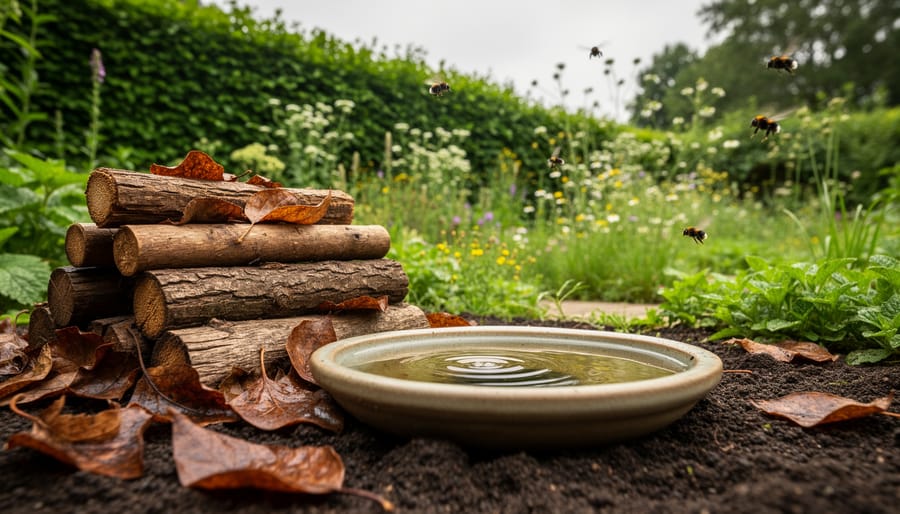
Habitat features are the physical structures and environmental elements in a garden that provide wildlife with food, shelter, breeding sites, and safe movement corridors. A pile of logs isn’t just garden waste, it’s winter refuge for hedgehogs and a hunting ground for beetles. A patch of unmown grass becomes a nesting site for bumblebees. These tangible components transform an ordinary garden into a functioning ecosystem that supports birds, insects, amphibians, and small mammals throughout the year.
Understanding habitat features means moving past vague advice to plant more flowers. It requires recognizing that wildlife needs specific structures: a dense hedge offers different benefits than a bird box, and a shallow water dish serves different species than a pond with muddy edges. When Sarah Chen installed a simple log pile in her community garden plot in Manchester, she discovered three species of ground beetles and a family of wood mice within two months. That’s the power of intentional habitat design.
This article breaks down the essential categories of habitat features, explains how they function as an interconnected system, and provides practical guidance for choosing and installing the right features for your space and target species. Whether you’re working with a small balcony or managing a community garden, you’ll learn which structures deliver the greatest wildlife value and how to implement them effectively in 2026.
What Features of Habitat Really Mean for Wildlife
When we talk about habitat features in a wildlife garden, we’re describing the specific physical elements that meet an animal’s daily survival needs. Just like your home provides a kitchen for food, a bathroom for water, and bedrooms for rest, habitat needs four components: food sources, water access, shelter from weather and predators, and safe places to raise young. Without these basics, wildlife can’t establish residence or successfully reproduce.
Here’s a quick guide to the essential habitat terminology you’ll encounter:
- Cover
- Dense vegetation or structures that hide wildlife from predators and harsh weather, ranging from low shrubs to brush piles.
- Forage
- Natural food sources like native seeds, berries, nectar, and the insects that feed on them throughout the seasons.
- Corridors
- Connected pathways of habitat features that let wildlife move safely between feeding, water, and nesting areas.
- Microhabitat
- Small specialized zones within your garden, such as a rotting log for beetles or a sunny patch for basking butterflies.
- Native Plantings
- Regionally indigenous plants that have evolved alongside local wildlife and support complex food webs.
- Succession Layers
- The vertical stacking of plants from ground covers through canopy trees that creates multiple shelter and feeding zones.
The critical difference between a decorative garden and functional wildlife habitat lies in how features work together as a system. You might plant gorgeous flowers, but if there’s no nearby water source or shelter, birds and butterflies will visit briefly and leave. A complete habitat keeps wildlife present through their full life cycle because every need is met within a safe, connected space.
How Habitat Features Work Together in Your Garden
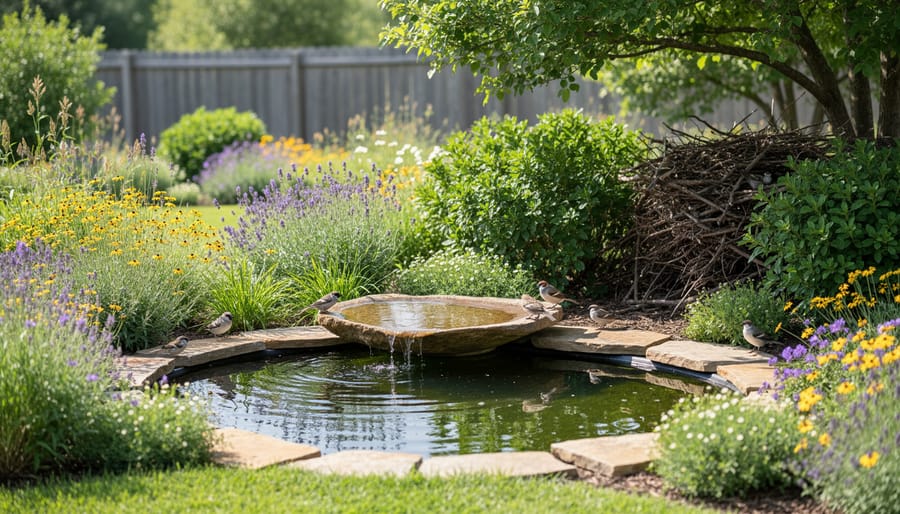
Habitat features don’t function in isolation, they create an interconnected web where each element supports the others. When you plant a native shrub that produces berries, you’re not just adding food; you’re inviting birds that will hunt insects from nearby perennials, then seek water from your birdbath, and eventually nest in the dense foliage. This layered system mirrors natural ecosystems, where wildlife moves fluidly between resources throughout the day.
The vertical structure of your garden matters enormously. Ground covers and leaf litter shelter salamanders and ground beetles. Mid-height perennials and shrubs provide nesting sites and insect-hunting zones for songbirds. Canopy trees offer high perches, shade, and safe corridors for movement. When these layers overlap, they create what wildlife needs most: options. A chickadee can forage at ground level, retreat to shrub cover when threatened, and survey from a tree branch, all within a few feet.
Consider a typical summer day in a functioning wildlife garden. Early morning, a native bee emerges and visits coneflower blooms for nectar. By midday, a Carolina wren hunts caterpillars from those same flower stems, pausing to drink from a shallow stone basin nearby. As dusk approaches, the wren retreats to dense evergreen cover while a moth, whose larva fed on your native oak leaves, begins pollinating evening primrose. Each creature follows a pathway shaped by the features you’ve provided.
This connectivity extends beyond your property line. When your habitat features align with neighboring yards, even a narrow strip of native plants becomes a corridor linking larger green spaces. Wildlife doesn’t recognize fences; they follow food, water, and cover wherever these features appear consecutively.
Core Habitat Features Every Wildlife Garden Needs
Food Sources: Native Plants and Natural Forage
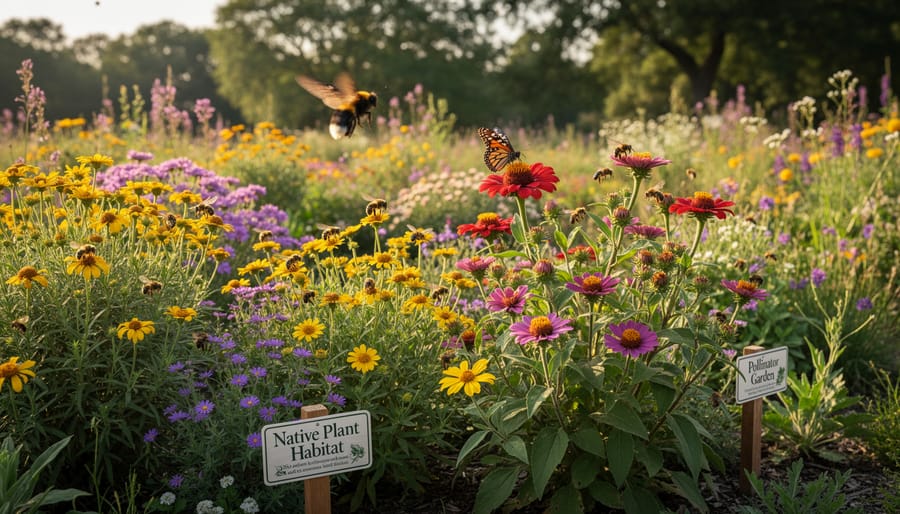
Native plants serve as the backbone of wildlife habitat because they’ve evolved alongside local insects, birds, and other animals for thousands of years. When you choose native species over ornamentals, you’re installing features that truly work, plants that native plants provide food for specialist pollinators and the entire food web above them. A non-native shrub might look lovely, but it often supports a fraction of the insect life that a native equivalent does, which means fewer food sources for birds raising young.
For Arlington and Alexandria gardens, high-value native plants include purple coneflower and black-eyed Susan for summer nectar, native viburnums and serviceberry for spring flowers and fall berries, and oak trees that host hundreds of caterpillar species. Goldenrod and asters bloom late, feeding migrating monarchs and native bees when little else flowers. Plan your palette across seasons, early spring ephemerals like Virginia bluebells, summer bloomers, and fall seed-heads left standing through winter for finches and sparrows.
The goal isn’t perfection. Start with three or four native species that bloom at different times, and you’ve created a functioning food feature that supports wildlife from March through November.
Water Features: From Simple Baths to Small Ponds
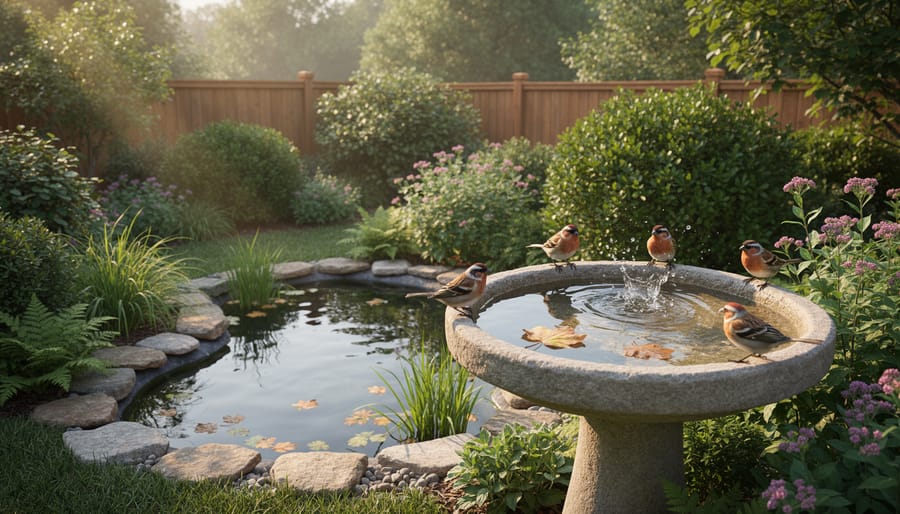
Water doesn’t need to be complicated to work as a habitat feature. A shallow ceramic dish on your patio provides drinking and bathing water just as effectively as an elaborate pond, sometimes better, because you can clean it twice a week without trouble.
The key is depth variation. Birds prefer water 1-2 inches deep with a gradually sloping edge where they can wade in safely. Bees and butterflies need even shallower access: floating corks or small stones in your dish let them drink without drowning. If you’re installing a small pond, include a section no deeper than half an inch alongside deeper zones (12-18 inches) where frogs can overwinter.
Mosquitoes become a concern in any standing water that sits unchanged for more than five days. Simple solutions work: dump and refill birdbaths every three days, add a small solar fountain to keep water moving, or stock even a container pond with mosquito dunks containing Bacillus thuringiensis (Bt), which is safe for birds and beneficial insects.
A recirculating fountain solves the mosquito issue while adding the sound of moving water, which attracts birds from surprising distances. But starting with a basic birdbath you actually maintain beats an ambitious pond you neglect. Wildlife needs reliable water year-round, which means your winter birdbath matters as much as your summer setup.
Shelter and Cover: Layered Plant Structure
Wildlife needs places to hide from predators, escape harsh weather, and rest safely throughout the day and night. The most effective shelter comes from layering plants at different heights, think of it as creating a multi-story apartment building for your garden visitors.
Ground covers and low perennials form the ground floor, offering refuge for toads, beetles, and ground-nesting birds. Shrubs create the middle layer where songbirds nest and rabbits shelter. Small trees and taller shrubs form the canopy, providing hawk protection and roosting spots. This vertical structure works best when you leave some overlap between layers rather than planting everything at set distances.
Dense evergreens deserve special mention, they’re the winter coats of your wildlife garden. While deciduous plants drop leaves, evergreens like holly, juniper, and eastern red cedar provide year-round cover when animals need it most.
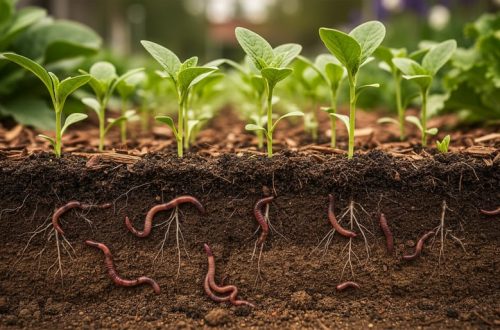
Here’s where things get interesting: the “messy” features many HOAs dislike are often the most valuable shelter. Brush piles from pruned branches create protected spaces for rabbits, chipmunks, and overwintering butterflies. Rock walls and stacked stones offer cool retreats for salamanders and snakes. Dead wood, whether standing snags or fallen logs, hosts cavity-nesting birds and provides essential habitat that complements wildlife-friendly soil beneath.
These aren’t signs of neglect. They’re intentional habitat features that local Extension Master Gardeners actively encourage in certified wildlife gardens.
Nesting and Breeding Sites
Nesting and breeding sites complete the habitat picture by giving wildlife safe places to raise their young. Without these features, even gardens rich in food and water remain stopover points rather than true homes.
Cavity trees, dead or dying trees with natural holes, serve dozens of species. Woodpeckers excavate fresh cavities, which chickadees, nuthatches, and flying squirrels later claim. If removing dead trees for safety, leave a tall stump standing. Supplement natural cavities with properly sized nesting boxes: one-and-a-quarter-inch entrance holes for wrens and chickadees, one-and-a-half-inch for bluebirds. Mount boxes by late February before birds scout territories.
Ground-nesters like native bees and some wasps need bare soil patches in sunny spots, just twelve inches of exposed, undisturbed ground works. Skip mulch in these areas and resist tidying. For butterflies, host plants matter more than flowers: monarchs need milkweed species, swallowtails seek pawpaw and spicebush, skippers prefer native grasses. Plant these where caterpillars can munch leaves without alarming you.
Bee hotels, bundles of hollow stems or drilled wood blocks, attract solitary mason and leafcutter bees. Face them southeast, mount four feet high, and replace tubes every two years to prevent disease. Time matters: install features before breeding seasons begin, typically March through May in our region.
Space and Connectivity
Even a modest backyard becomes more valuable habitat when it connects to neighboring green spaces. Wildlife move between yards following corridors of shelter and food, so a single garden rarely functions in isolation. Your habitat features gain impact when birds can fly between your shrubs and your neighbor’s trees, or when ground beetles travel through shared hedgerows.
Solid fences and walls fragment these pathways. Consider gaps at ground level for small mammals, or replace sections with hedges that provide passage while maintaining privacy. Coordinate plantings along property lines to create continuous cover, your native flowering shrubs meeting adjacent evergreens create safer movement zones than lawn running fence to fence.
The cumulative effect matters enormously. When multiple households add water features, nesting sites, and native plantings within a neighborhood, they build a functional habitat network far richer than any single garden achieves alone. Talk with neighbors about your wildlife gardening efforts; you’ll often find allies interested in creating connected habitat corridors throughout your community.
Putting Habitat Features to Work in Your Space
Start by walking your space with fresh eyes, treating it like a habitat inventory rather than a garden critique. Note where morning sun hits, which corners stay damp, and where you already see wildlife activity. This assessment reveals natural opportunities, a shady patch perfect for a shallow water dish, a sunny corner where native perennials would thrive, or an overlooked strip along the fence line that could become a brush pile haven.
Small spaces demand creativity, not compromise. Balconies and patios become viable habitat through container gardening with native plants, think catmint for pollinators or Virginia creeper in a large pot for birds seeking cover. Renters can focus on moveable features: terracotta saucers as ground-level water stations, portable brush bundles secured with twine, and potted host plants that travel when you do. Window boxes filled with native bloomers serve apartment dwellers, and even a single hanging basket of cardinal flower attracts hummingbirds.
Extension Master Gardeners consistently advise starting with these quick-win features:
- Shallow bird bath placed near protective shrubs
- Three to five native perennials in containers or garden beds
- Small brush pile from pruning debris in a back corner
- Leaves left under trees and shrubs each fall
- One section of lawn converted to pollinator plants
Build complexity gradually over two or three seasons. Year one might mean water and native plants. Year two adds layered shelter through varied plant heights and a brush pile. Year three introduces nesting boxes once food and cover are established. This phased approach spreads costs across seasons, lets you learn what thrives in your conditions, and prevents the overwhelm that derails ambitious projects before wildlife arrives.
Community Voices: Habitat Features in Action
When Sarah Mitchell moved into her Arlington townhouse two years ago, she inherited a tidy backyard of lawn and ornamental shrubs that attracted almost nothing. “I wanted birds and butterflies, but I didn’t know where to start,” she recalls.
She began small: replacing a corner of grass with a patch of native goldenrod and asters, adding a simple bird bath, and letting leaf litter accumulate under her shrubs instead of raking it bare. The first spring brought tiger swallowtails to her garden. By the second season, cardinals were nesting in her holly and native bees were visiting constantly.
The hardest part? Resisting the urge to tidy everything. “My neighbor asked if I’d abandoned my garden when I left a brush pile for winter cover,” Sarah laughs. “But once she saw the wrens using it, she started one too.”
Now Sarah volunteers with local urban community gardens helping others layer habitat features into small spaces. Her advice: start with one change, watch what happens, then add another feature based on what your garden actually needs.
Common Questions About Habitat Features
How much time does maintaining habitat features really take?
Most habitat features require less maintenance than traditional landscaping. Native plants need minimal watering once established, brush piles and rock walls need no upkeep, and water features take just minutes weekly to clean and refill.
Will adding habitat features attract unwanted predators?
Supporting wildlife means accepting natural predator-prey relationships. Hawks, snakes, and foxes are part of healthy ecosystems and typically pose no threat to people or pets when given respectful distance.
What if my HOA restricts certain habitat features?
Start with features that blend into conventional landscaping: native plants in orderly beds, birdbaths as decorative elements, and nesting boxes positioned discreetly. Many associations approve wildlife-friendly changes when presented with educational materials about environmental benefits.
Do I need to adjust habitat features seasonally?
Leave seed heads and stems standing through winter for food and shelter, keep water sources ice-free when possible, and delay spring cleanup until temperatures consistently stay above 50°F so overwintering insects can emerge safely.
How do I measure if my habitat features are working?
Track wildlife sightings over weeks and months, photograph pollinators on specific plants, note nesting activity, and watch for signs like nibbled leaves or used bathing spots. Increased diversity and repeat visitors signal success.
Can I add habitat features to an existing traditional garden?
Absolutely. Replace a few ornamentals with native plants each season, tuck a birdbath near existing shrubs, or convert a corner into a small brush pile. Gradual integration works beautifully and lets you learn as you go.
These questions come up constantly at local gardening workshops where both new and experienced gardeners share concerns about transforming their spaces. The common thread is reassuring: habitat features adapt to your circumstances, your schedule, and your comfort level with wildlife. You don’t need to tackle everything at once or meet someone else’s standard of a perfect wildlife garden. Start where you are, add what makes sense for your space, and let your habitat evolve naturally over time.
Creating a wildlife-friendly garden isn’t about perfection, it’s about progress. Whether you add a single native shrub, set out a shallow water dish, or leave a corner of leaf litter undisturbed, you’re building habitat that matters. Each feature you introduce becomes part of a larger network connecting gardens across Arlington County and Alexandria City, creating corridors that support birds, pollinators, and beneficial insects throughout the region.
You don’t need to transform your entire yard overnight. Begin where you feel confident, maybe swapping out a non-native shrub for a native alternative, or designating a quiet corner for a small brush pile. Extension Master Gardener volunteers throughout the region offer workshops, plant recommendations, and ongoing support as you develop your habitat features. The wildlife won’t wait for your garden to be complete; they’ll start using new resources within days of installation, and your observations will guide what to add next. Your garden, however modest, contributes something irreplaceable to the local ecosystem.