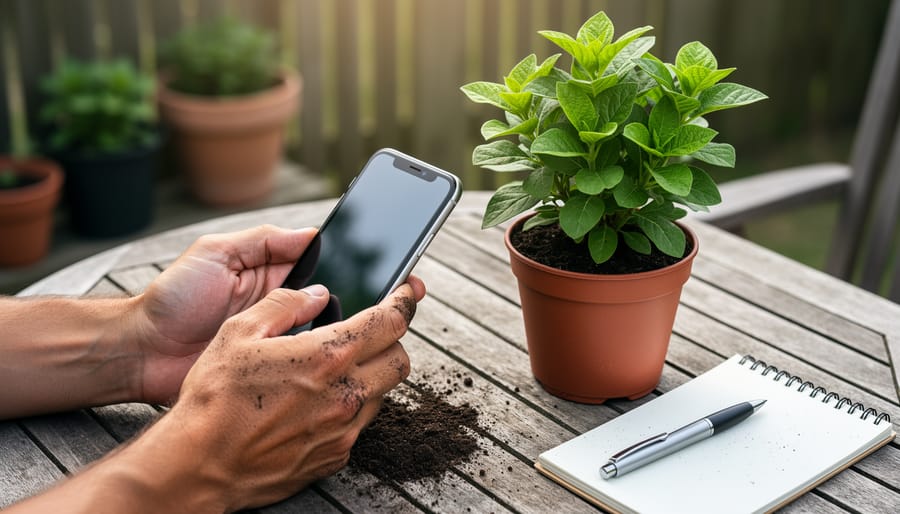
A gardening helpline connects you with volunteer experts who answer your plant, pest, soil, and growing questions, usually free of charge and often within 24 to 48 hours by phone or email. These services are typically run by university extension programs or horticultural societies, staffed by trained Master Gardeners who’ve completed hundreds of hours of education and fieldwork. Whether you’re stumped by a mysterious leaf spot, wondering when to prune your roses, or need advice on starting a vegetable patch, a helpline offers personalized answers rooted in research and local growing conditions.
Most gardeners encounter problems that feel unique but actually share common patterns. A helpline volunteer has likely seen your exact issue dozens of times and can walk you through practical solutions without the guesswork of online forums. You’ll get recommendations tailored to your region’s climate, soil type, and pest pressures rather than generic advice that may not apply where you live.
The best part? You’re tapping into a network of people who genuinely love helping others succeed. Many volunteers garden in the same conditions you do and bring real-world experience alongside their training. This combination of science-backed knowledge and hands-on expertise makes helplines one of the most reliable resources for home gardeners at any skill level.
What Gardening Helplines Offer
Gardening helplines handle an impressive range of questions, from the straightforward to the genuinely puzzling. You can call about a mystery plant that appeared in your yard, a shrub losing leaves for no clear reason, or spots spreading across your tomato plants. Master Gardeners will walk you through pest identification, whether you’re dealing with Japanese beetles, aphids, or something you’ve never seen before, and they’ll suggest environmentally responsible solutions that won’t harm beneficial insects.
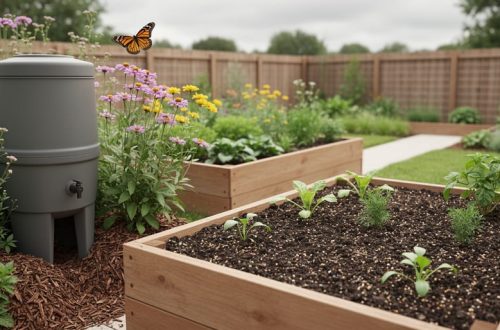
Soil questions are particularly common. Helplines guide you through interpreting soil test results, improving drainage in clay-heavy beds, or building wildlife-friendly soil that supports pollinators and other garden visitors. They’ll recommend amendments based on what you’re growing and your local conditions, not generic fixes.
Lawn care queries come in frequently, too. Helplines explain how to manage weeds without blanket herbicide applications, diagnose brown patches, and transition turf to more sustainable groundcovers. They can suggest native plants for shady corners, advise on rain garden design, or help you plan a pollinator border.
The service extends beyond problem-solving. Master Gardeners answer questions about timing, like when to prune specific shrubs or divide perennials. They’ll recommend varieties suited to your microclimate and explain organic methods for everything from fertilizing to managing deer browsing.
What helplines won’t do is identify mushrooms for edibility, recommend landscape contractors, or make on-site visits. They provide research-based information and point you toward additional resources when needed. The advice is always practical, grounded in university extension research, and aligned with environmentally sound practices that benefit your garden and the broader ecosystem.
How to Contact Your Local Gardening Helpline
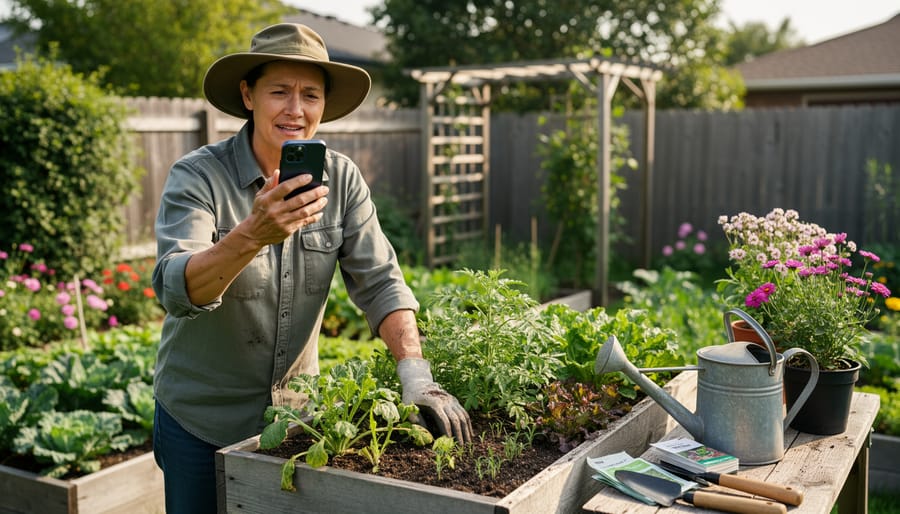
Reaching your local gardening helpline is simpler than you might expect, and the process is designed to get you answers quickly. Most communities connect to their helpline through county or city Extension offices, where certified Master Gardeners review questions and provide research-based guidance. In Arlington County and Alexandria City, these services operate year-round, with peak activity during spring and summer growing seasons.
Start by visiting your local Extension website or calling the main office number to confirm hours and preferred contact methods. Many programs list dedicated helpline phone numbers, email addresses, and clinic schedules prominently on their homepage. If you’re unsure which county serves your area, a quick search for “Extension Master Gardener” plus your zip code will point you in the right direction.
Before you reach out, gathering a bit of information makes the consultation more productive:
- Locate your local Extension office or Master Gardener program by searching online for your county Extension service or visiting the statewide Extension website directory.
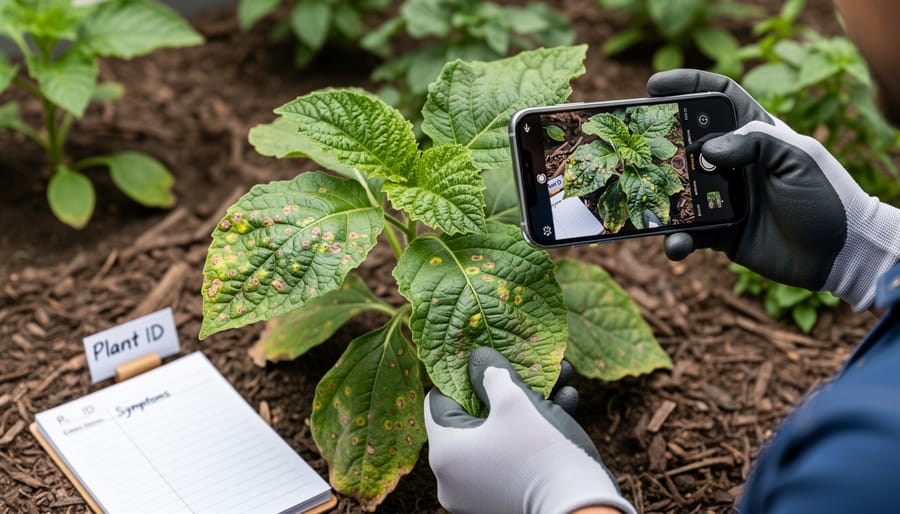
- Gather details about your issue, including clear, focused photos from multiple angles, a description of symptoms (yellowing leaves, holes, wilting), when the problem started, and any recent weather or care changes.
- Choose your contact method based on urgency and complexity, phone lines offer immediate conversation for straightforward questions, email works well for detailed issues with photos attached, and walk-in clinics allow face-to-face discussion and physical sample review.
- Submit your question with as much context as possible: plant type or variety, location in your yard (sun exposure, nearby plants), soil conditions, watering habits, and whether you prefer organic or wildlife-friendly solutions.
- Follow up on recommendations by trying suggested approaches, noting results, and circling back if the issue persists or new symptoms develop.
Walk-in plant clinics, often held at farmers markets or community centers, let you bring samples directly to Master Gardeners. Check your Extension calendar for clinic dates, and arrive early during busy spring weekends. Whether you call, email, or visit in person, the goal is the same: connecting your garden challenge with expert, environmentally responsible advice tailored to your local growing conditions.
Who Answers Your Questions: Meet the Extension Master Gardeners
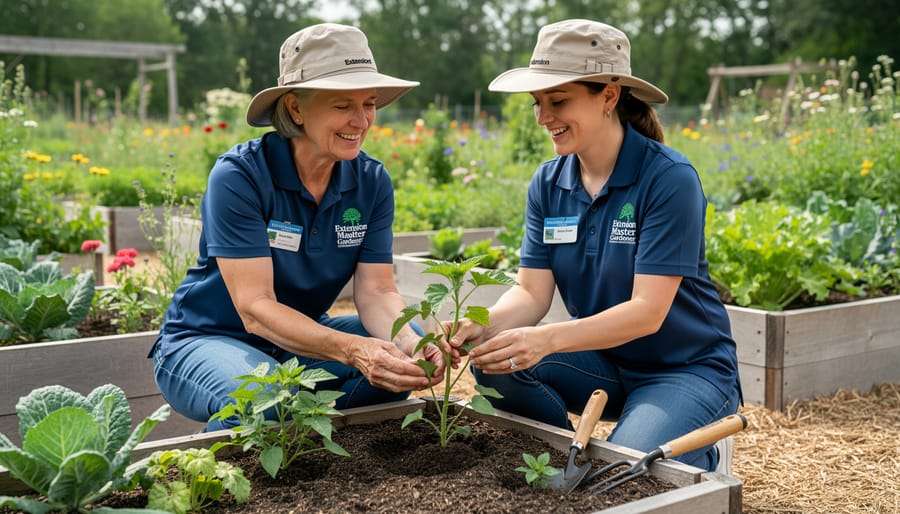
When you call or email a gardening helpline, you’re tapping into the knowledge of Extension Master Gardeners, dedicated volunteers who complete extensive training before they ever answer their first question. These aren’t casual hobbyists. Master Gardeners undergo a rigorous certification program that includes 60 to 80 hours of classroom instruction covering everything from plant pathology and entomology to soil science and sustainable landscape practices. They study research-based information from land-grant universities and learn to diagnose problems using scientific methods rather than guesswork.
After initial training, Master Gardeners commit to volunteer hours in community service, with many choosing to staff helplines where they can share what they’ve learned. Their education doesn’t stop after certification. They attend continuing education workshops, participate in advanced training sessions, and stay current with the latest horticultural research and environmentally responsible practices. This ongoing learning ensures the advice you receive reflects the most up-to-date science.
Master Gardener Barbara Chen, who has volunteered at the Arlington helpline for seven years, describes the work as deeply rewarding. “A caller recently sent photos of mysterious holes in her rose leaves. We identified rose slug damage and walked her through an organic remedy using insecticidal soap. Two weeks later, she called back thrilled that her roses had recovered. Those moments remind me why I do this, helping people succeed in their gardens while protecting the environment makes every hour worthwhile.”
What to Expect When You Call or Email
When you reach out to a gardening helpline, you’ll receive personalized, research-based guidance tailored to your specific situation. Response times vary by contact method. Phone calls during clinic hours typically get answered immediately, while emails and online submissions usually receive replies within 24 to 48 hours. During peak gardening season, roughly mid-March through June, response times may stretch a bit longer as helplines field hundreds of questions weekly.
Your answer will come from trained Extension Master Gardeners who consult university research, local growing data, and best practices for your region. Expect thorough, fact-based advice that prioritizes environmentally responsible solutions. If your question involves pest problems, volunteers often suggest monitoring techniques and natural controls before chemical options. They’ll explain the reasoning behind their recommendations, helping you understand not just what to do but why it works.
Helplines provide information and guidance, not on-site visits or hands-on services. Master Gardeners can’t come to your property to diagnose problems, but they can work with photos and your detailed description to offer solid direction. If your issue requires lab testing, soil analysis or disease confirmation, for example, they’ll direct you to the appropriate resources and explain the process.
For complex problems, follow-up is welcome. Save your initial correspondence and reach back out if you need clarification or if symptoms change. The helpline staff genuinely wants to help you succeed.
Beyond the Helpline: Other Gardening Support and Resources
While the helpline connects you with expert answers to specific questions, it’s just one thread in a much larger web of gardening support. Extension Master Gardener programs typically offer hands-on gardening workshops throughout the growing season, covering topics like composting, native plant selection, vegetable gardening, and integrated pest management. These sessions let you learn alongside fellow gardeners and ask questions in real time.
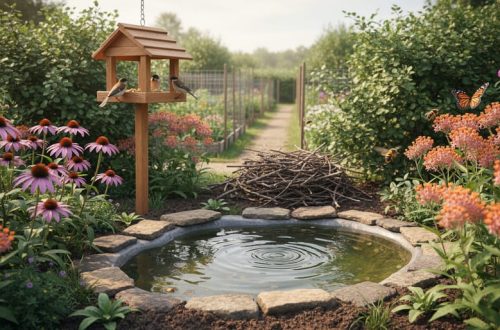
Many communities maintain demonstration gardens where you can observe sustainable practices in action, rain gardens managing stormwater, pollinator beds attracting beneficial insects, or productive vegetable plots thriving without synthetic chemicals. Visit during open hours to see what techniques might work in your own space.
Online resources extend your learning beyond business hours. Extension websites house searchable databases of fact sheets, plant guides, and seasonal checklists tailored to your region’s climate and soil conditions. Video tutorials and recorded webinars cover everything from pruning techniques to identifying common pests.
School gardening programs bring horticultural education to young learners, often welcoming adult volunteers who want to mentor the next generation of growers. Horticulture therapy initiatives use gardening activities to support physical and mental wellbeing in healthcare settings, senior centers, and rehabilitation programs.
Community gardening plots offer shared growing space and built-in camaraderie with experienced gardeners who freely share seeds, advice, and encouragement. Together, these resources create a safety net of support that helps gardeners at every skill level succeed while building stronger, greener neighborhoods.
Common Questions About Gardening Helplines
Is the gardening helpline service free?
Yes, helplines staffed by Extension Master Gardeners are completely free to anyone seeking gardening advice. The service is funded through Extension programs and volunteer contributions.
Do I need to be a local resident to use the helpline?
Most helplines prioritize residents of their county or city, but policies vary. If you’re outside the service area, Master Gardeners will typically help you find the Extension office nearest you.
Can helpline volunteers diagnose problems from photos?
Yes, clear photos taken from multiple angles often provide enough detail for accurate diagnosis. Include shots of the whole plant, affected leaves or stems, and any insects or damage patterns you’ve noticed.
What if my question seems too basic?
No question is too simple. Master Gardeners welcome inquiries from beginning gardeners and appreciate the chance to help build confidence and skills in the community.
Do helplines recommend specific products or brands?
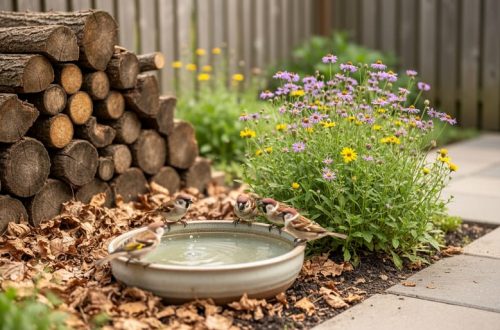
Master Gardeners provide unbiased, research-based advice and won’t endorse commercial products. They’ll suggest general approaches, like organic methods or techniques to create a wildlife garden rather than specific brands.
These common concerns often keep gardeners from reaching out, but helplines exist precisely to support every level of experience. Whether you’re troubleshooting a failing tomato plant or planning a pollinator border, the volunteers answering your call want to help you succeed.
Making the Most of Your Helpline Experience
A little preparation before you contact a gardening helpline transforms a basic question into a productive conversation. Clear, detailed information helps Master Gardeners provide advice that’s precisely tailored to your garden.
Start by documenting the problem thoroughly. Take photos from multiple angles: close-ups of affected leaves or stems, wider shots showing the whole plant, and images of the surrounding area. Snap pictures in natural light if possible, and include something for scale, like a coin or your hand. Note when you first spotted the issue and whether it’s getting worse, staying the same, or showing signs of improvement. These details help volunteers spot patterns and rule out misdiagnoses.
Describe your growing conditions as specifically as you can. How many hours of direct sun does the spot receive? What’s your soil like, clay, sandy, or loamy? How often do you water, and does the area drain well or stay soggy after rain? If you’re asking about a struggling plant, mention when you planted it and whether you’ve fertilized or amended the soil recently. This context shapes the advice you’ll receive.
Be clear about your gardening approach and goals. If you prefer organic solutions, say so upfront. Mention if you’re trying to attract butterflies, support native plants, or reduce lawn areas. Master Gardeners can point you toward practices and plant choices that align with your values while solving your immediate problem.
Treat each interaction as a learning opportunity, not just a one-time fix. Ask follow-up questions if something’s unclear. Request fact sheets or links to reliable resources for deeper reading. Many gardeners build an ongoing relationship with their local helpline, checking in seasonally or when tackling new projects. That continuity helps you grow as a gardener and strengthens the community connection that makes these services thrive.
Whether you’re troubleshooting your first tomato plant or managing a decades-old perennial border, your local gardening helpline stands ready with free, research-backed answers. These volunteer-staffed services exist to support you, no question is too small, no problem too basic. The Master Gardeners on the other end genuinely want to help your garden thrive using practices that benefit pollinators, soil health, and the wider ecosystem.
Don’t hesitate to pick up the phone or send that email. Better yet, visit a plant clinic and meet the people who make this resource possible. Consider attending a workshop, volunteering in a demonstration garden, or simply spreading the word to neighbors who share your passion for growing things. Every conversation, every answered question, strengthens the fabric of gardeners learning and growing together. Your garden, and your community, will be richer for it.