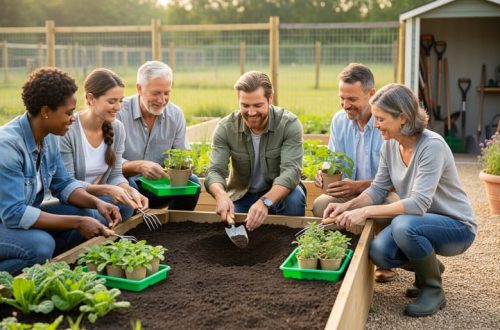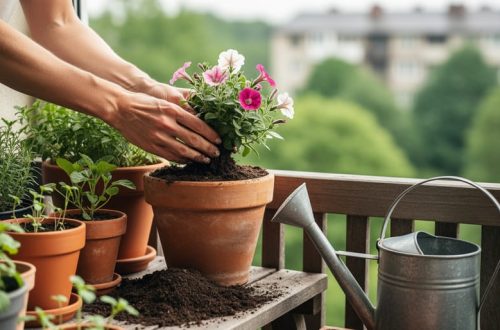
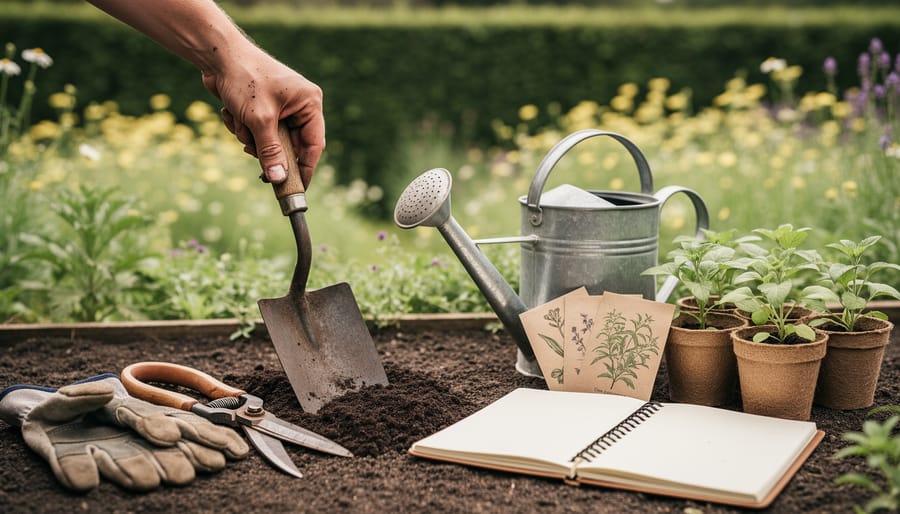
Starting a garden requires just eight core items: quality hand tools for planting and weeding, cutting tools for pruning, soil amendments to nourish plants, protective gloves, a watering solution, containers or raised beds (if space is limited), seeds or starter plants, and a simple notebook to track what works. These essentials will get you growing quickly, whether you’re cultivating vegetables, native perennials, or creating habitat for local wildlife.
The good news? You don’t need a shed full of equipment to begin. Gardeners who embrace what is wildlife gardening? often find that a smaller toolkit actually encourages more mindful choices. Focus on multi-purpose tools rather than single-task gadgets, and prioritize durability over price. A well-made spade will serve you for decades, while a flimsy one becomes landfill after a single season.
This guide walks you through the must-haves based on expert recommendations and real-world feedback from community gardeners across the country. We’ve chosen items that support sustainable practices, reduce waste, and help you build the kind of garden that welcomes pollinators, songbirds, and beneficial insects alongside your tomatoes and dahlias. Each essential has been selected for its versatility and proven track record in both traditional gardening and wildlife-friendly landscapes, so you can invest wisely and start growing with confidence right away.
How We Chose These Essentials
We curated this list by consulting both industry experts and the people who dig in the dirt every day. NBC Select’s gardening specialists emphasize starting with foundational tools rather than overwhelming beginners with specialty gadgets, while insights from Greenhouse Megastore confirm that experienced growers rely on a core set of essentials for everything from daily upkeep to ambitious seasonal projects. We filtered those recommendations through the lens of wildlife-friendly gardening, prioritizing items that serve multiple purposes and align with sustainable practices.
Our selection criteria included:
- Expert endorsements from gardening authorities and retail specialists who understand what works in real-world conditions
- Support for environmentally responsible practices that reduce chemical dependence and conserve resources
- Versatility for wildlife gardeners managing native plantings, habitat features, and seasonal maintenance
- Direct feedback from Extension Master Gardeners in our community who’ve tested these tools across diverse projects
This approach ensures you’re investing in equipment that grows alongside your skills, whether you’re establishing your first pollinator patch or expanding an established sanctuary garden.
1. A Sturdy Shovel: The Foundation of Every Garden Task
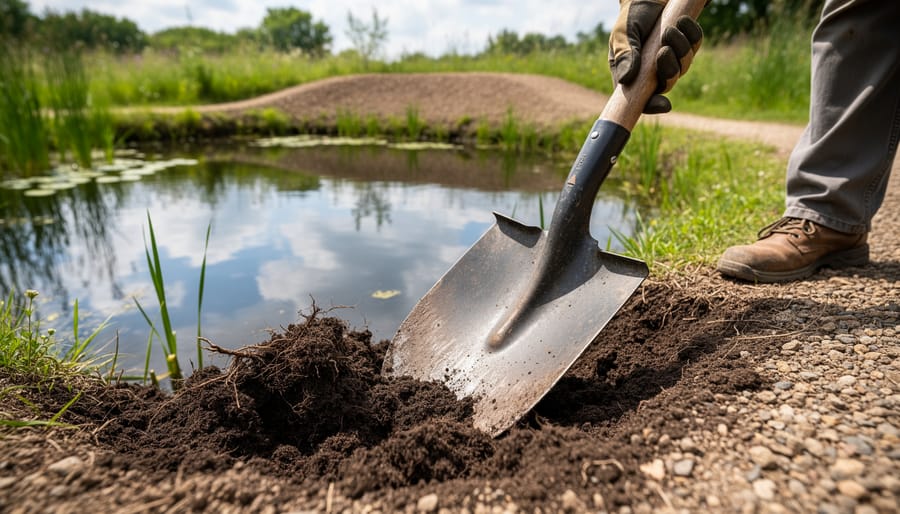
A quality shovel stands as the first tool experts point to when building a gardening toolkit. NBC Select notes that professionals consistently recommend starting with the basics, and a shovel tops that list for good reason. This workhorse handles the heavy lifting your garden demands: breaking new ground, digging planting holes, moving soil and compost, transplanting shrubs, and edging beds.
The shovel you choose shapes how comfortably you’ll work. Long-handled shovels provide leverage for digging and reduce back strain during extended use, while short D-handle models offer more control in tight spaces and raised beds. Master Gardener volunteers in our community often recommend steel blades over cheaper alternatives because they cut through roots and clay without bending, and a sharp edge makes every task easier.
Your shovel becomes essential when creating essential wildlife features like small ponds, berms for nesting habitat, or sunken log piles. One Extension volunteer shared that she dug her entire wildlife pond with a single well-chosen spade shovel, moving soil to create the surrounding berm that now shelters ground-nesting bees.
Invest in a shovel that feels balanced in your hands and fits your height. This foundation tool will serve you for decades.
2. A Reliable Hoe: Keep Weeds at Bay Without Chemicals
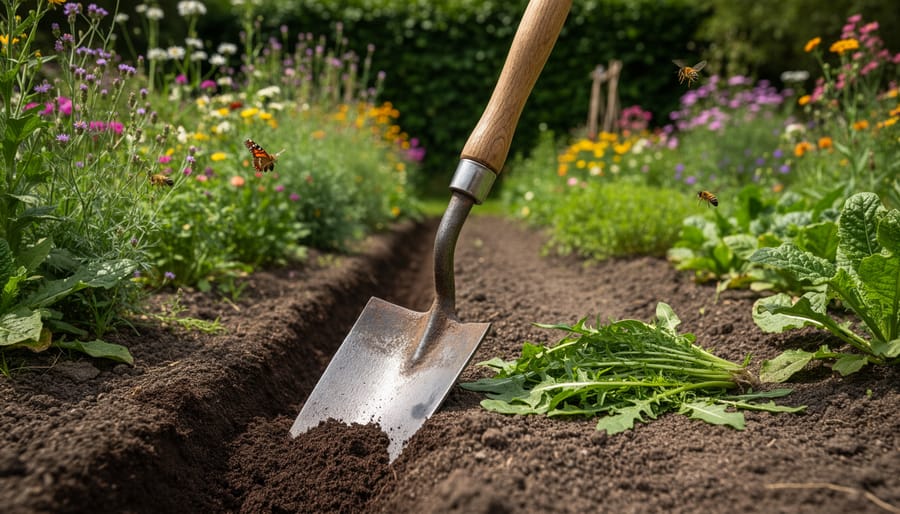
A hoe ranks among the most valuable tools for maintaining a wildlife-friendly garden without resorting to chemical weed killers. Regular hoeing disrupts weed seedlings before they establish deep roots, cutting them off just below the soil surface where they’ll dry out and decompose naturally. This mechanical approach protects the beneficial insects, earthworms, and soil microorganisms that herbicides can harm.
Beyond weed control, your hoe aerates the soil surface as you work, breaking up crusted earth so water and oxygen reach plant roots more effectively. You’ll also use it to create shallow furrows for direct-seeding vegetables or native wildflowers, making it genuinely multipurpose.
Two types dominate home gardens. Standard hoes feature a flat, rectangular blade that works with a chopping motion, effective but requiring more effort. Stirrup hoes (also called scuffle or loop hoes) have a loop-shaped blade that cuts on both the push and pull stroke, making quick work of large areas with less strain on your back and shoulders.
When hoeing, work during dry weather so severed weeds desiccate rather than re-rooting. Move carefully around established plants to avoid damaging shallow roots where ground beetles and other beneficial predators shelter. A light weekly pass through your beds prevents weed explosions and keeps you connected to what’s happening in your garden ecosystem.
3. Hand Trowel and Pruners: Precision Tools for Planting and Maintenance
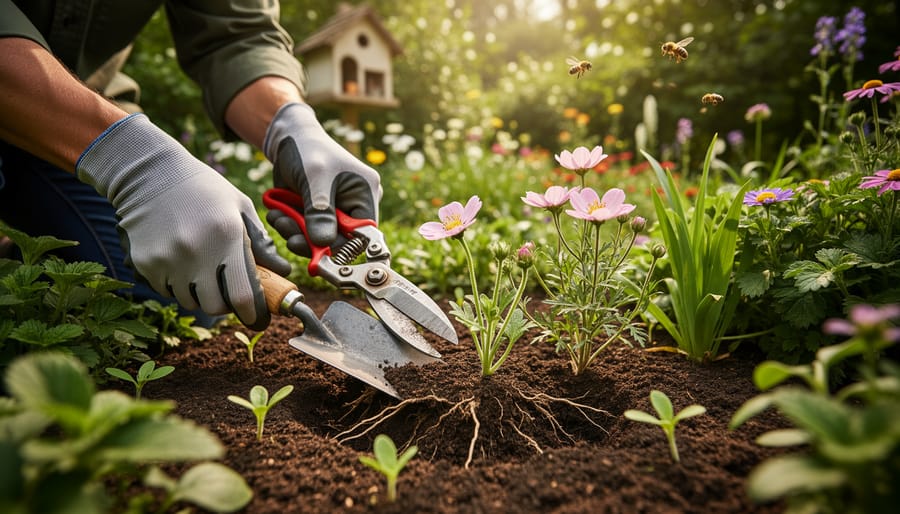
When you’re working up close with seedlings, bulbs, or delicate native perennials, a quality hand trowel and sharp pruners become extensions of your hands. The trowel handles everything from tucking transplants into containers to digging precise holes for spring bulbs that will later feed early pollinators. Look for a trowel with a comfortable grip that fits your hand size and a sturdy metal blade that won’t bend when you hit compacted soil or buried roots.
Pruners serve double duty in wildlife-friendly spaces: deadheading spent blooms encourages repeat flowering that sustains butterflies and bees, while thoughtful pruning shapes the native shrubs and hedgerows that provide nesting sites and shelter. Bypass pruners, which cut like scissors rather than crushing stems, make clean cuts that heal faster and reduce plant stress. Extension Master Gardeners recommend ergonomic handles with cushioned grips if you’ll be pruning for extended periods, especially during peak growing season when maintenance demands climb.
Blade care matters for both tools. Keeping pruner blades sharp and rust-free ensures precise cuts, while a trowel with a sharp edge slices through roots and soil more efficiently than a dull one. These precision tools directly support sustainable gardening techniques by allowing you to work carefully around beneficial insects, maintain plants without chemical interventions, and create the layered, diverse plantings that welcome wildlife throughout the seasons.
4. A Durable Rake: From Soil Prep to Seasonal Cleanup
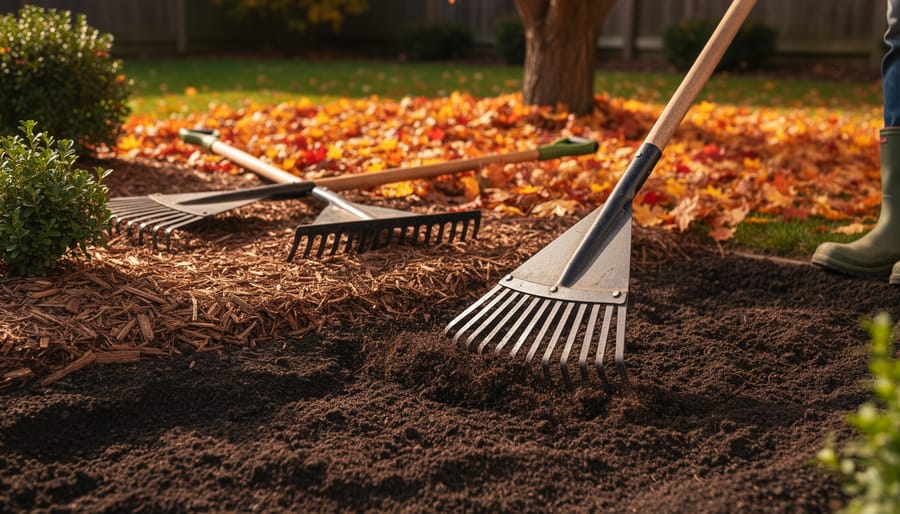
A quality rake earns its spot on your essential tools list through sheer versatility. You’ll reach for it constantly, whether you’re leveling freshly dug soil before planting, spreading mulch around perennials, or managing seasonal leaf cleanup. Two types serve different purposes: garden rakes with sturdy metal tines for breaking up soil clumps and creating smooth seedbeds, and leaf rakes with flexible tines for gathering fallen foliage without damaging your lawn.
For wildlife gardeners, rakes offer a unique advantage. Master Gardeners in our community report using rakes to intentionally create leaf habitats in designated garden corners. These leaf piles provide essential overwintering shelter for beneficial insects including native bees and butterflies, while keeping your main pathways and demonstration areas tidy. The technique is simple: rake leaves away from high-traffic zones and pile them beneath shrubs or in border edges where they decompose into natural mulch.
A rake also helps you manage compost piles, spread amendments, and collect garden debris for your municipal yard waste program. The metal garden rake handles heavy-duty soil prep, while a lightweight leaf rake makes quick work of autumn cleanup across large areas. Both types will serve you for years with minimal maintenance, just hose them clean and store them out of weather.
5. Quality Fertilizers and Compost: Feed Your Soil, Feed Wildlife
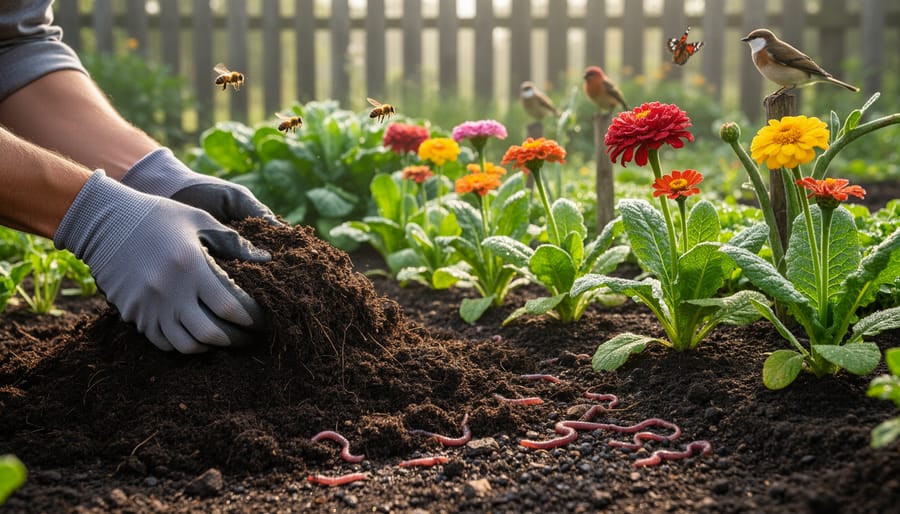
Healthy soil is the engine of a thriving wildlife garden, and that means feeding it consistently. While the tools above help you dig and plant, nutrients determine whether your garden becomes a wildlife magnet or struggles to support even common visitors.
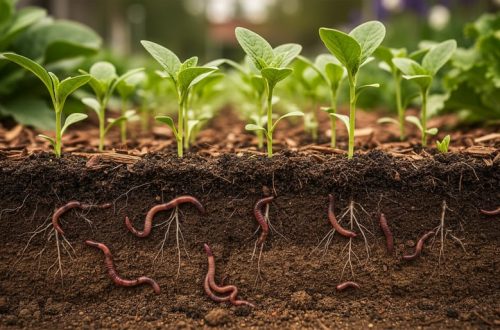
Compost stands as the undisputed champion for wildlife-friendly gardens. It builds soil structure, feeds beneficial microbes and earthworms, and releases nutrients gradually as plants need them. You can make your own from kitchen scraps, yard waste, and shredded leaves, or source finished compost from municipal programs. Many community gardens run shared compost bins where volunteers contribute scraps and take turns turning the pile, creating a valuable resource while reducing waste headed to landfills.
When compost alone isn’t enough, organic fertilizers offer a sustainable boost. Look for products derived from plant meals, fish emulsion, or composted manure rather than synthetic blends. These slow-release options feed soil organisms as they break down, creating a living ecosystem underground that supports robust root systems above. Strong, healthy plants produce more nectar-rich flowers for pollinators, dense foliage for nesting birds, and seed heads that sustain wildlife through winter.
Skip the quick-fix chemical fertilizers that can leach into waterways and harm the beneficial insects your garden aims to attract. Nutrient-rich soil built through organic matter creates a foundation that works with nature, not against it.
6. Sharp Shears: Maintain Native Plants and Perennials
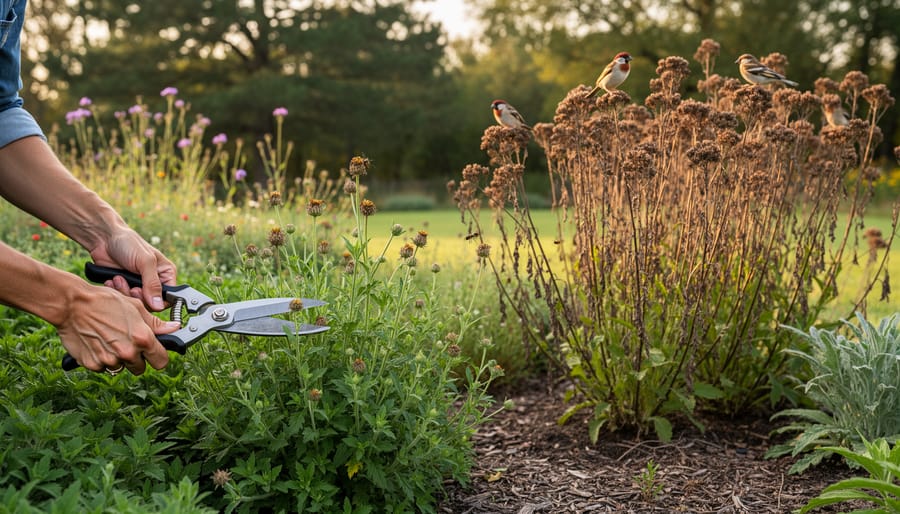
Garden shears are your go-to for bigger jobs than hand pruners can handle. These larger cutting tools excel at shaping hedges, cutting back substantial perennial growth, and harvesting armfuls of flowers or herbs. In wildlife-friendly gardens where native grasses and prairie plants grow vigorously, shears make quick work of seasonal maintenance without exhausting your hands.
The timing question matters more than the tool itself. Many gardeners instinctively cut back everything in fall, but that robs wildlife of winter resources. Seed heads from coneflowers, black-eyed Susans, and native grasses feed birds through cold months, while hollow stems shelter beneficial insects. Hold off on major cutbacks until early spring, just before new growth emerges. Your shears will cut through winter-weathered stems cleanly when it is time.
For perennials that spread aggressively or flop onto pathways, mid-season shaping keeps them tidy while preserving their wildlife value. Shears with bypass blades (rather than anvil-style) deliver cleaner cuts that heal faster, reducing disease risk. After each use, wipe the blades with rubbing alcohol to prevent spreading pathogens between plants.
If you are designing a low-water garden, check our xeriscaping tips for choosing native plants that need minimal cutting back. Quality shears, kept sharp and clean, will serve you through decades of seasonal rhythms.
7. Protective Gardening Apparel: Comfort Meets Safety
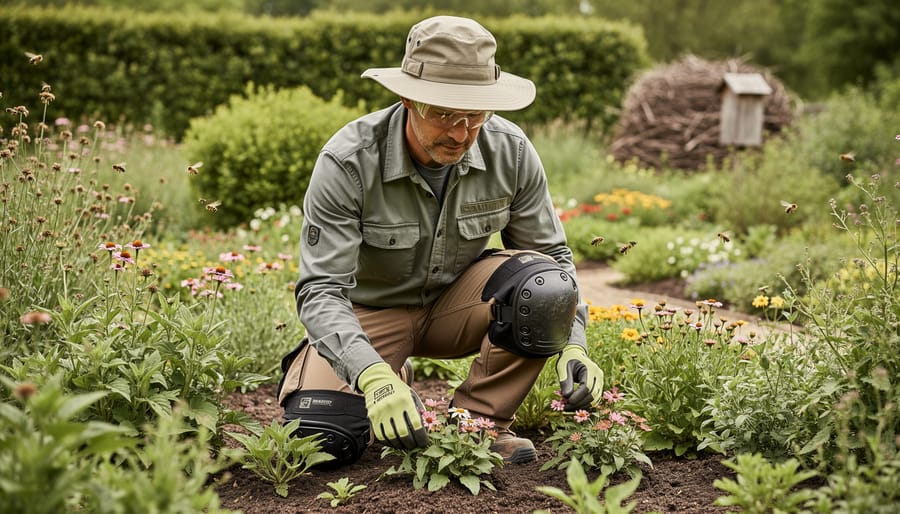
Gardening apparel often gets overlooked, but the right clothing turns a grueling four-hour volunteer session into a comfortable, productive experience. Sturdy gloves top the list: they shield your hands from rose thorns, prevent blisters during repetitive digging, and create a barrier against soil-borne bacteria that can enter through small cuts. Look for reinforced fingertips and palms, plus washable materials that dry quickly between garden days. A wide-brimmed sun hat protects your face and neck during those long afternoons maintaining demonstration gardens or leading school groups through planting projects. Knee pads or a foam kneeling cushion become essential when you’re transplanting native seedlings at ground level or weeding raised beds. Closed-toe shoes with good tread prevent injuries from dropped tools and provide ankle support on uneven terrain. Extension Master Gardeners working in community gardens swear by breathable fabrics that wick moisture and can go straight into the washing machine after muddy sessions. Investing in durable apparel means you’ll spend more time focused on creating wildlife habitat and less time nursing sore knees or sunburned shoulders.
8. Watering Equipment: Conserve While You Hydrate
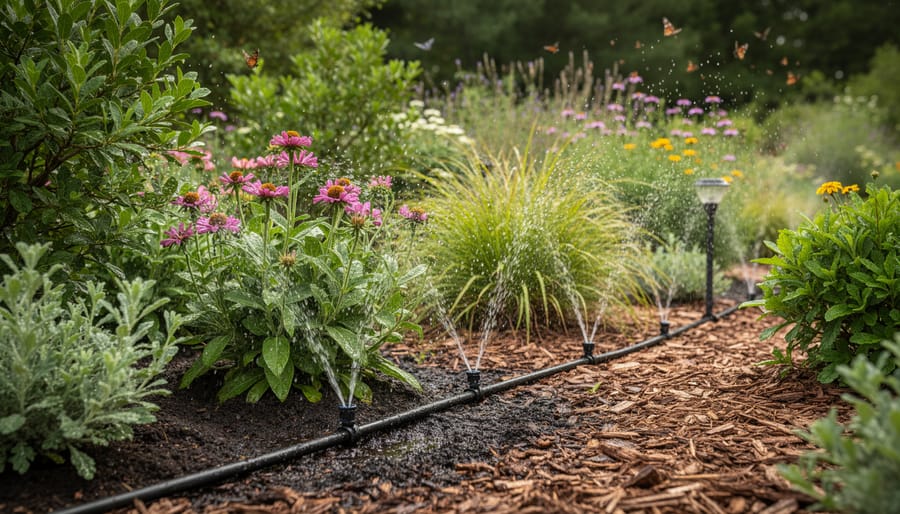
Water is life for both plants and the wildlife that visits your garden, making the right watering equipment crucial for sustainable success. A quality watering can remains essential for targeted watering around delicate seedlings, containers, and newly planted natives without disturbing soil or beneficial insects. Look for a can with a removable rose (the sprinkler head) so you can switch between gentle showers for tender plants and direct pours for established specimens.
Soaker hoses transform your watering efficiency by delivering moisture directly to root zones while losing minimal water to evaporation. Lay them through perennial beds and shrub borders, then cover with mulch. They keep foliage dry, reducing fungal diseases, and create consistent moisture that supports the earthworms and soil microbes essential to healthy ecosystems. Run soaker hoses early morning when plants absorb water most effectively.
Rain barrels take conservation further by capturing free roof runoff for later use. A single inch of rain on a thousand-square-foot roof yields over 600 gallons. That stored water serves you during dry spells and reduces stormwater runoff that can carry pollutants into streams where amphibians and aquatic insects live.
Water deeply but less frequently to encourage strong root systems. Most gardens need about an inch per week from rain or irrigation combined. Mulch around plants retains soil moisture while providing shelter for ground beetles and other garden allies that need damp hiding spots during hot days.
Smart Shopping: Getting Your Essentials
Shopping for gardening essentials doesn’t mean buying everything at once. Start with the core eight items, prioritizing quality construction over flashy features. A well-made shovel or pair of pruners will serve you for decades with proper care, while bargain tools often fail after a single season.
Support your local garden center when possible. Staff can offer personalized advice on tool selection, and you’ll often find regional tool variations suited to your soil type and climate. Many independent shops carry durable brands that balance performance with reasonable pricing.
Watch for seasonal sales in early spring and late fall, when retailers discount inventory. Some garden clubs offer member discounts on tools, creating savings that add up across your essential purchases. Community gardens often have tool-sharing programs, letting you test equipment before committing to your own.
Extend tool life with simple maintenance: clean soil off metal surfaces after each use, oil moving parts on pruners and shears, and store everything dry. Sand wooden handles smooth when they splinter, and sharpen blades annually. These small habits transform your essentials into lifetime investments that support your wildlife gardening mission year after year.
Your Garden Journey Starts Here
With these eight essentials in hand, you’re ready to create a thriving garden that serves both your vision and the wildlife in your neighborhood. The beauty of starting with core tools is that they grow with you. Your first shovel digs the bed that becomes a pollinator haven. Your pruners shape the native shrubs that shelter nesting birds. Each task you complete builds skill and confidence.
You don’t need everything at once. Begin with what the season demands, learn through doing, and add tools as your garden evolves. Connect with local Extension Master Gardeners, attend workshops at community gardens, or join volunteer days where experienced gardeners share techniques alongside their tool recommendations.
The right equipment makes environmentally responsible gardening easier and more enjoyable. When your tools work well, you spend less time fighting tasks and more time observing the bees on your coneflowers or the butterflies visiting your milkweed.
Ready to deepen your practice? Explore Wildlife Gardening’s resource library for seasonal guides, native plant lists, and step-by-step projects. Better yet, join us at a volunteer event where you’ll dig in alongside fellow gardeners building habitats that matter.
Frequently Asked Questions
What is the one tool every beginner gardener needs?
Experts consistently recommend starting with a sturdy shovel, as it handles the widest range of fundamental tasks from digging planting holes to moving soil and mulch. Once you have a shovel, add a hand trowel and pruners for close-up work with seedlings and perennials.
How do I maintain my gardening tools?
Clean soil and debris off tools after each use, then wipe metal surfaces with an oiled rag to prevent rust. Sharpen blades regularly with a file or whetstone, tighten loose handles, and store tools in a dry place to extend their lifespan for years.
Can I garden sustainably with basic tools?
Absolutely. The eight essentials we’ve covered support environmentally responsible practices like manual weed control instead of herbicides, targeted watering to conserve resources, and soil-building with compost rather than synthetic inputs. Quality hand tools often outlast power equipment and eliminate fossil fuel use.
What’s the difference between a hoe and a rake?
A hoe has a flat blade set perpendicular to the handle for chopping weeds and breaking up soil, while a rake features tines for leveling soil, spreading mulch, or gathering leaves. Both serve distinct purposes in garden maintenance.
Do I really need fertilizer if I have good soil?
Even good soil benefits from regular additions of compost or organic fertilizer, as plants continuously extract nutrients throughout the growing season. Feeding your soil supports the beneficial microorganisms and earthworms that create the thriving ecosystem wildlife gardens depend on.
These questions reflect what new gardeners ask most often in community workshops and Extension programs. The answers emphasize that sustainable gardening remains accessible with straightforward tools and techniques, no specialized equipment required.