Garden decorative accessories have evolved beyond simple ornaments. In 2026, savvy gardeners are choosing pieces that combine visual appeal with environmental purpose, creating spaces that welcome both human visitors and local wildlife. The right accessories can turn a basic garden into a vibrant ecosystem while expressing your personal style.
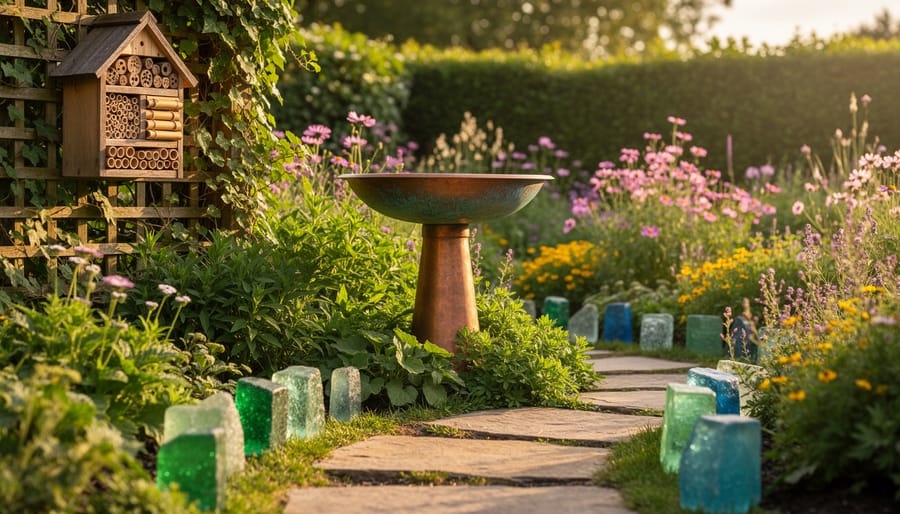
Start by selecting accessories that serve multiple functions. A beautifully crafted bird bath doesn’t just add focal interest; it provides essential water for pollinators and songbirds during summer heat. Decorative bee hotels mounted on garden walls offer nesting sites for solitary bees while adding architectural detail. These dual-purpose pieces give you more value for your investment and support biodiversity in your neighborhood.
Consider materials that age gracefully and minimize environmental impact. Weather-resistant copper develops a stunning patina over seasons, while reclaimed wood accessories tell a story and reduce demand for new timber. Local artisan Karen Martinez from the East Bay Community Garden Network shared how her group created stunning pathway markers from recycled glass and ceramic shards, proving that sustainable choices can be surprisingly artistic.
Look for accessories scaled appropriately to your garden size. A towering obelisk overwhelms a small courtyard, while tiny wind chimes disappear in a sprawling landscape. Walk your garden at different times of day to identify spots needing visual interest, then choose pieces that fill those gaps without cluttering sightlines to your favorite plants.
Quality matters more than quantity. Three well-chosen pieces strategically placed create more impact than a dozen scattered ornaments fighting for attention.
Why Gardening Decorative Accessories Matter for Wildlife Gardens
Gardening decorative accessories transform ordinary spaces into inviting retreats that serve both people and nature. When thoughtfully chosen, these elements do far more than beautify your yard. A well-placed bird bath becomes a vital water source for songbirds and pollinators. An attractive trellis supports climbing native plants while offering shelter for beneficial insects. Garden sculptures crafted from natural materials create focal points without introducing toxins that harm soil organisms.
The key lies in viewing each decorative piece through a dual lens. Does this arbor provide structure for pollinator plants? Will this planter’s drainage support healthy root systems for native species? These questions guide you toward accessories that enhance rather than compromise your wildlife-friendly space.
This balanced approach reflects a broader shift in how gardeners think about their outdoor spaces. Sustainable practices now integrate seamlessly with aesthetic goals. A decorative rain chain guides water to a collection barrel. Stone edging creates defined beds while providing habitat for ground beetles. Each accessory serves multiple purposes, supporting the garden’s ecological function while adding visual interest that makes spending time outdoors genuinely rewarding.
Essential Decorative Accessories for Every Wildlife Garden
Bird Baths and Water Features
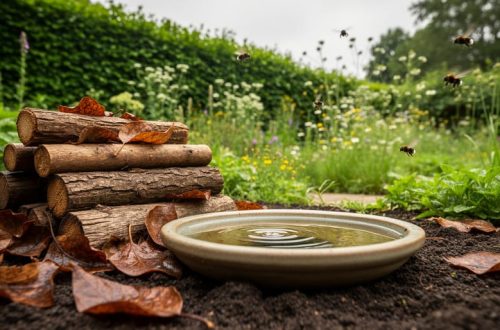
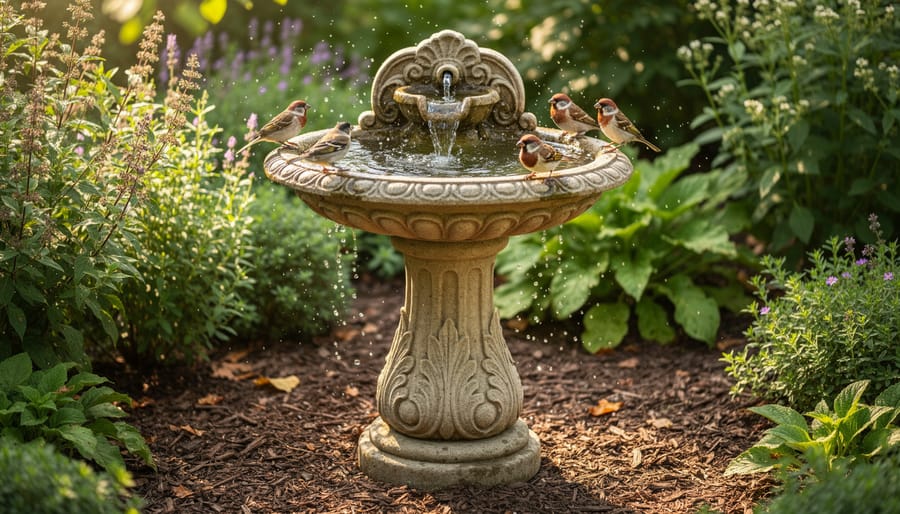
Water features rank among the most valuable garden decorative accessories because they attract birds, butterflies, and beneficial insects while creating visual focal points. A shallow bird bath with a textured basin gives songbirds safe drinking and bathing spots, and the gentle sound of moving water draws pollinators from across your neighborhood. Position bird baths in partial shade near shrubs or trees so birds can quickly retreat to cover if predators appear, but keep them at least ten feet from dense vegetation where cats might hide.
For larger spaces, consider decorative fountains or small recirculating features that add movement and sound. You can even build a garden pond with decorative edging stones that serves amphibians and dragonflies. Choose materials that withstand freezing temperatures without cracking, glazed ceramic, copper, or high-fired clay work well in most climates.
Regular maintenance keeps water features safe for wildlife. Change the water every two to three days during warm months to prevent mosquito larvae, and scrub basins weekly with a stiff brush and plain water to remove algae and bacteria. Penn State Extension offers detailed guidance on maintaining bird baths safely for all visiting species. Add a few flat stones or twigs to deeper basins so smaller insects can climb out safely.
Garden Art and Sculptures
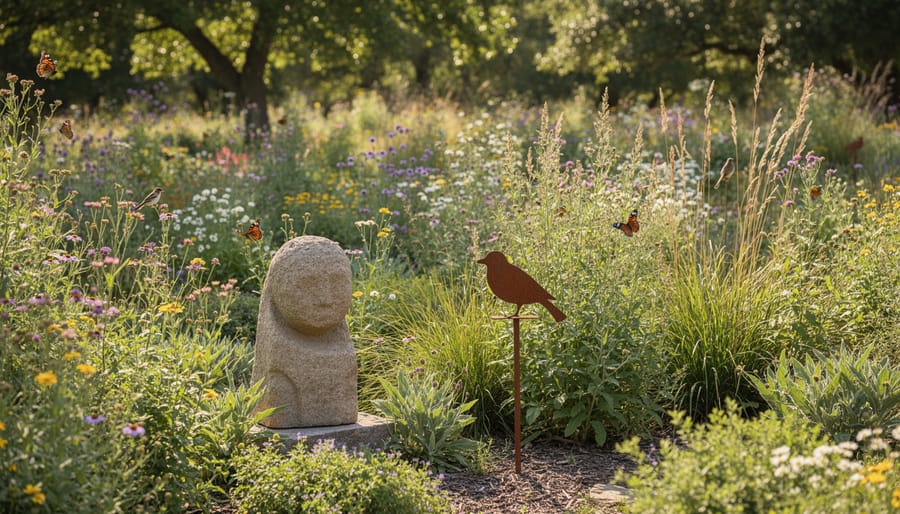
Garden art and sculptures bring personality to your space while supporting the wildlife you’re working to attract. Choose pieces made from natural, weatherproof materials like stone, ceramic, or reclaimed metal rather than painted plastics that can chip and leach chemicals into soil. Look for sculptures with textured surfaces or small crevices where beneficial insects can shelter, a rustic metal butterfly or abstract stone piece often doubles as habitat.
Place art thoughtfully so it enhances rather than blocks wildlife corridors. Position sculptures near native plantings where they blend into the landscape instead of dominating open areas birds use for foraging. Avoid shiny, reflective surfaces that can confuse birds or create glare. Stakes and garden markers work beautifully along pathways, guiding visitors without disrupting the ecosystem.
Select pieces that complement your garden’s scale. A single statement sculpture anchors a focal point, while smaller pieces scattered throughout feel cluttered and may obstruct animal movement. Many Extension Master Gardeners recommend choosing one or two quality pieces over multiple cheap items, durable art lasts years and maintains its appeal through seasons. Skip anything with sharp edges or small parts that could trap wildlife, and ensure bases are stable so they won’t topple during storms.
Decorative Planters and Container Gardens
Decorative planters transform any garden space into a versatile growing environment while adding visual interest through varied heights, textures, and colors. Container gardens work especially well for gardeners with limited space or challenging soil conditions, allowing you to create thriving plant communities on patios, balconies, or along pathways.
Choose planters made from sustainable materials like terracotta, reclaimed wood, or recycled composites. These materials age beautifully while minimizing environmental impact. Size matters for plant health: larger containers hold moisture better and give roots room to establish, which is particularly important for native perennials.
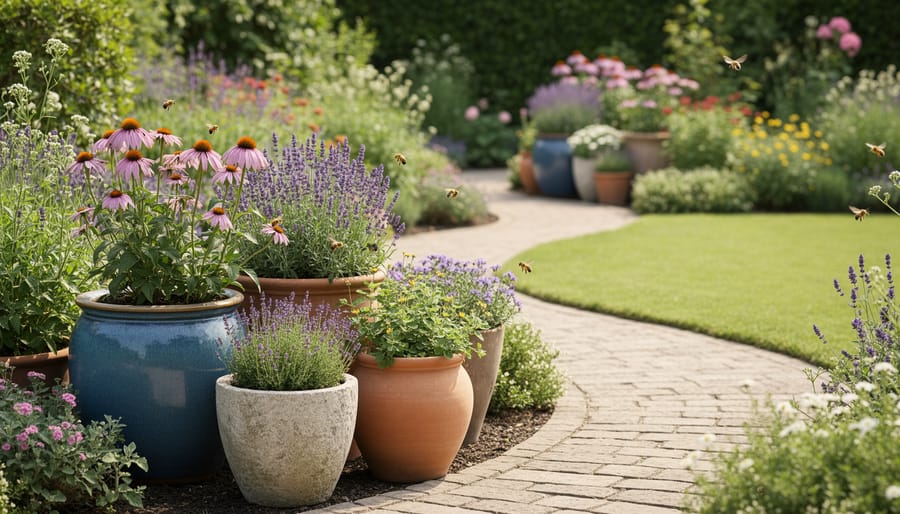
Research shows that containers can support pollinators when planted with the right species. Fill your decorative planters with native flowering plants like black-eyed Susans, coneflowers, or bee balm. Group containers of varying heights to create layered habitats that attract butterflies, bees, and beneficial insects throughout the growing season.
Position planters strategically to create garden rooms or define spaces. A cluster of containers near a seating area brings pollinators close for observation, while taller planters can screen less attractive garden features. Remember to select containers with adequate drainage holes and use quality potting mix designed for container growing rather than garden soil.
Trellises, Arbors, and Garden Structures
Trellises, arbors, and pergolas do more than support your climbing plants, they create vertical layers that transform flat gardens into three-dimensional wildlife havens. A wooden trellis planted with native honeysuckle or coral honeysuckle provides nectar for hummingbirds while its structure offers perching spots for songbirds. Similarly, an arbor covered in trumpet vine creates shaded corridors that beneficial insects use as shelter during hot summer days.
Choose structures made from untreated wood, bamboo, or powder-coated metal rather than pressure-treated lumber that may leach chemicals. Position larger structures like pergolas near seating areas where you can observe pollinators visiting the climbing plants without disturbing their activity. Even a simple obelisk trellis in a container garden creates vertical interest while supporting pole beans that feed both you and local wildlife.
The key is matching structure size to plant vigor. Native clematis varieties thrive on smaller trellises, while robust grapes or wisteria need substantial arbors with strong joinery. Local Extension Master Gardeners in Alexandria City often demonstrate proper installation techniques at spring workshops, showing how to anchor structures securely without concrete footings that disrupt soil organisms.
When painted or stained, use water-based, low-VOC finishes that won’t harm insects making contact with the surface. Natural weathering adds character over time and poses zero risk to wildlife. These functional garden decorative accessories serve as architectural elements that guide the eye upward while creating the layered habitat structure that attracts diverse species year-round.
The Growing Market for Garden Decorative Accessories in 2026
The decorative accessories market is experiencing remarkable growth, with the sector valued at $735.08 billion in 2026 and projected to reach $1,048.64 billion by 2033. This expansion reflects strong consumer interest in personalizing outdoor spaces, and gardening decorative accessories represent a significant portion of this thriving category.
Trade shows demonstrate the robust demand for garden and home products. Atlanta Market, the premier gift, home and lifestyle marketplace connecting wholesale buyers and sellers, recently held its Summer Market from June 9-14, 2026, at AmericasMart. This event brought together more than 8,000 brands across all categories, showcasing the breadth of decorative options available to retailers and, ultimately, to home gardeners.
Consumer enthusiasm extends beyond trade shows to public retail events. According to Marketplace Events, many home shows sell out and maintain waiting lists, bringing together thousands of shoppers eager to discover new products for their living spaces. This sustained interest signals that gardening decorative accessories are more than a passing trend.
For wildlife-friendly gardeners, this market growth creates opportunities to find sustainable, thoughtfully designed accessories that serve both aesthetic and ecological purposes. The expanding market means greater competition among manufacturers, often leading to improved quality and more innovative designs that consider environmental impact alongside visual appeal. Whether shopping at local garden centers, home shows, or online retailers, you now have access to a wider range of decorative accessories that can transform your garden while supporting the creatures that call it home.
Choosing Sustainable and Wildlife-Safe Decorative Accessories
When you start a sustainable garden choosing the right decorative accessories matters just as much as selecting plants. The materials you bring into your garden space directly affect local wildlife, soil health, and long-term environmental impact.
Look for accessories made from natural, responsibly sourced materials like untreated wood, recycled metal, or sustainably harvested stone. These options weather beautifully while breaking down safely if they eventually decompose. Avoid plastics that fragment into microplastics or synthetic materials treated with chemicals that leach into soil during rain.
Check finishes and paints carefully. Many decorative accessories come coated with treatments that contain toxic compounds harmful to birds, beneficial insects, and soil organisms. Seek out products labeled as non-toxic, water-based, or specifically marketed as wildlife-safe. If you refinish older pieces yourself, choose natural oils or eco-friendly sealants.
Watch for hidden hazards in decorative elements. Bird baths with surfaces too slippery for small birds to grip, water features with steep sides that trap amphibians, or reflective surfaces that confuse birds can all create unintended problems. Garden art with sharp edges, small openings that trap wildlife, or hanging elements that swing unpredictably should be avoided or modified.
Consider the source. Many Extension Master Gardeners recommend buying from local artisans who use reclaimed materials or supporting companies transparent about their manufacturing practices. This approach reduces shipping impacts while often resulting in unique pieces designed specifically for regional wildlife needs.
Community Stories: How Local Gardeners Use Decorative Accessories
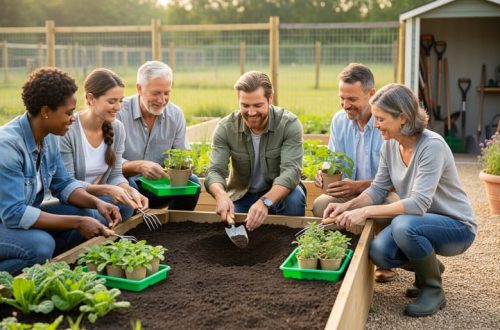
Local Extension Master Gardeners across Arlington County and Alexandria City demonstrate how decorative accessories can enhance wildlife habitat while creating visually appealing spaces. Certified Master Gardener volunteers working in community demonstration gardens often combine reclaimed materials with purposeful placement to support pollinators and birds.
At Arlington’s Glencarlyn Library Community Garden, volunteers installed a vintage metal watering can as a whimsical planter filled with native bee balm and black-eyed Susans. The colorful blooms attract butterflies and hummingbirds while the rustic container adds character without introducing harmful materials into the soil. Nearby, a repurposed wooden ladder serves as a vertical trellis for native passionflower vines, providing both structural interest and host plants for gulf fritillary caterpillars.
When we choose decorative pieces thoughtfully, we can create gardens that feed the soul and sustain wildlife simultaneously.
Alexandria City’s Arlandria community garden showcases how birdbaths can serve as focal points. Volunteers positioned a shallow ceramic basin at ground level among native grasses, creating a safe drinking spot for ground-feeding birds and beneficial insects. The earthy tones complement the naturalistic planting while fulfilling one of the essential features every wildlife garden needs.
These community gardeners prove that decorative accessories need not compete with ecological function. Simple choices like ceramic plant markers identifying native species, weathered stone borders defining pollinator beds, and handcrafted wooden bee houses painted in natural colors all contribute beauty while supporting local ecosystems. Their gardens inspire neighbors to consider how every decorative element can serve multiple purposes.
Your garden deserves decorative accessories that do more than just look good. By choosing pieces that support wildlife, use sustainable materials, and serve multiple functions, you create a space that’s both beautiful and ecologically valuable. Every bird bath, trellis, or planter you select can contribute to a healthier local ecosystem while reflecting your personal style.
We encourage you to share your own experiences with gardening decorative accessories in wildlife-friendly spaces. What creative solutions have worked in your garden? Which pieces have surprised you by attracting unexpected visitors? Your stories inspire others in our community to think differently about garden design.
Ready to take the next step? Join us at upcoming Extension Master Gardener workshops in Arlington County and Alexandria City, where you’ll discover hands-on demonstrations of sustainable gardening practices. Connect with fellow gardeners, learn from local experts, and explore how the right decorative accessories can transform your outdoor space into a thriving habitat. Your garden, your wildlife neighbors, and your community will all benefit from the thoughtful choices you make today.