A community garden is a shared plot of land where neighbors and volunteers come together to grow food, flowers, and friendships while improving their local environment. These collaborative green spaces transform vacant lots, underused parks, and even rooftop areas into productive gardens managed collectively by people who might not have access to growing space at home.
The benefits reach far beyond fresh vegetables. Community gardens create pockets of biodiversity in urban areas, reduce food insecurity in neighborhoods, and build social connections that strengthen entire communities. A 2025 study tracking over 200 community gardens found participants reported measurably lower stress levels, increased physical activity, and stronger neighborhood relationships compared to non-gardening residents in the same areas.
Whether you’re looking to grow your own organic produce, teach children where food comes from, or simply spend time outdoors with neighbors, community gardens offer something for everyone. They’re particularly valuable in cities where private garden space is scarce and opportunities to connect with nature feel limited. Many gardeners discover that the relationships they build pulling weeds together matter just as much as the tomatoes they harvest.
This guide walks you through exactly what makes community gardens so beneficial, from the environmental improvements they create to the personal wellness gains members experience. You’ll learn how these gardens function, what different models exist, and hear from real gardeners about how participation changed their lives. By the end, you’ll understand why community gardens are thriving in 2026 and how you might find or start one in your own neighborhood.
What Community Gardening Really Means
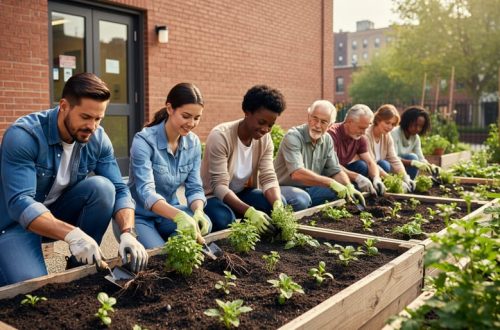
Community gardening transforms underused urban spaces into productive green areas where neighbors grow food, flowers, and connections side by side. At its core, a community garden is a piece of land gardened collectively by a group of people, typically in a neighborhood, school grounds, or public park. Unlike a backyard vegetable patch you tend alone, these gardens bring together residents who might never otherwise meet, creating a shared purpose around cultivation and care.
What sets community gardens apart is their collaborative foundation. While some operate on an individual plot model, where each member receives a designated bed to manage as they wish, others function as true collectives, with participants working together on the entire space and sharing the harvest. Both approaches foster a sense of shared responsibility that extends beyond personal gardening goals.
- Community Garden
- A shared outdoor space where local residents collectively cultivate plants, whether divided into individual plots or managed as a unified growing area. These gardens prioritize accessibility, education, and neighborhood connection alongside food production.
- Plot-Based Garden
- A community garden model where members receive assigned individual beds to plant and maintain according to their preferences. Gardeners keep what they grow from their own plot while often collaborating on shared pathways, composting, and maintenance tasks.
- Collective Garden
- A community garden where all participants work together on the entire space without individual plot assignments. The harvest is shared among members or donated to local food programs.
- Garden Steward
- A volunteer coordinator who oversees garden operations, organizes workdays, manages plot assignments, and ensures members follow agreed-upon guidelines. Stewards often serve as the primary contact between the garden and supporting organizations.
- Shared Harvest
- Produce grown in communal areas of the garden that all members help tend and can access. This often includes fruit trees, berry bushes, and herb beds maintained collectively.
The physical layout varies widely. Some gardens occupy converted vacant lots with raised beds built from reclaimed wood, while others flourish in corners of public parks with neat rows of in-ground plots. Regardless of size or setup, the defining characteristic remains the same: people working the soil together, learning from each other’s successes and failures, and building something larger than any single gardener could achieve alone.
How Community Gardens Work
Starting a community garden involves a series of practical steps that transform vision into a thriving shared space. The process typically begins when a group of interested neighbors identifies available land, often working with local government, schools, or nonprofits to turn empty lots or underused green spaces into productive gardens.
Once a site is secured, the founding group establishes the garden’s structure and governance. This includes deciding whether to use individual plots, shared beds, or a combination of both. Most gardens create a simple set of guidelines covering plot size, membership fees (usually modest, covering water and supplies), organic practices, and expectations for plot maintenance. A volunteer coordinating committee typically handles day-to-day operations, plot assignments, and conflict resolution.
Plot assignment methods vary. Some gardens use first-come, first-served approaches, while others employ lotteries or prioritize neighborhood residents. New gardeners receive their space along with basic expectations: keep your plot weeded, respect shared pathways, and participate in communal workdays scheduled throughout the season.
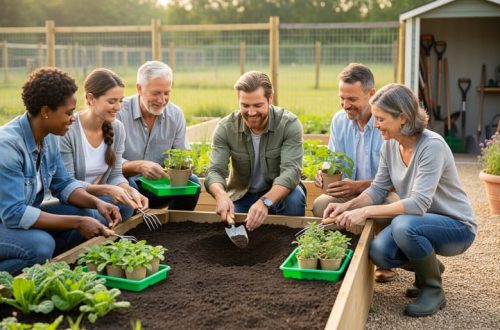
Maintenance happens on two levels. Individual gardeners tend their assigned plots, while shared tasks, mowing paths, maintaining compost bins, repairing fences, watering communal areas, are divided among members. Many gardens schedule monthly workdays where everyone pitches in on larger projects.
Community education programs play a vital role in keeping gardens thriving. Extension Master Gardeners often conduct workshops on topics like soil preparation, pest management, and season extension. Newcomers can find gardening workshops covering basics, while experienced gardeners share knowledge informally through mentorship and garden tours.
Communication happens through email lists, bulletin boards, or group messaging apps, keeping members informed about workdays, surplus produce shares, and upcoming educational events. This organizational framework creates structure while maintaining the flexibility that allows each garden’s unique community character to flourish.
Different Models of Community Gardens
Community gardens aren’t one-size-fits-all. Different neighborhoods adopt models that match their residents’ needs, available space, and shared goals.
Individual plot gardens are the most common model. Each member receives a designated plot, typically 10 by 10 feet or 4 by 8 feet, to cultivate however they choose. You’re responsible for your own space, from planting decisions to weeding schedules, while shared areas like pathways and tool sheds remain communal. This setup works well for gardeners who want autonomy but still value the social connections and knowledge exchange that come from working alongside neighbors.
Collective gardens flip that script entirely. Instead of individual plots, everyone works together on shared beds, deciding as a group what to grow and how to divide the harvest. This model builds deeper collaboration and teaches consensus-building alongside gardening skills. It’s particularly effective for groups focused on food donations to local pantries or for communities where members have varying schedules, you contribute when you can, and everyone benefits.
Therapeutic gardens serve specific wellness goals. Designed with accessibility in mind, these spaces feature raised beds at wheelchair height, wide pathways, sensory plants, and calming layouts. Healthcare facilities, senior centers, and veterans’ programs use them for physical therapy, mental health support, and cognitive stimulation. The emphasis shifts from harvest yields to the healing process itself.
School and youth gardens turn outdoor spaces into living classrooms. Students plant seeds, observe growth cycles, study pollinators, and learn where food comes from. These gardens often incorporate habitat features like native plants and bird feeders, teaching environmental stewardship early. Extension Master Gardeners frequently partner with schools to lead workshops and mentor young gardeners.
Each model addresses different facets of community need, from individual food production to collective healing to childhood education, proving that community gardening adapts to serve wherever it takes root.
The Benefits Community Gardens Bring
Building Stronger Neighborhoods
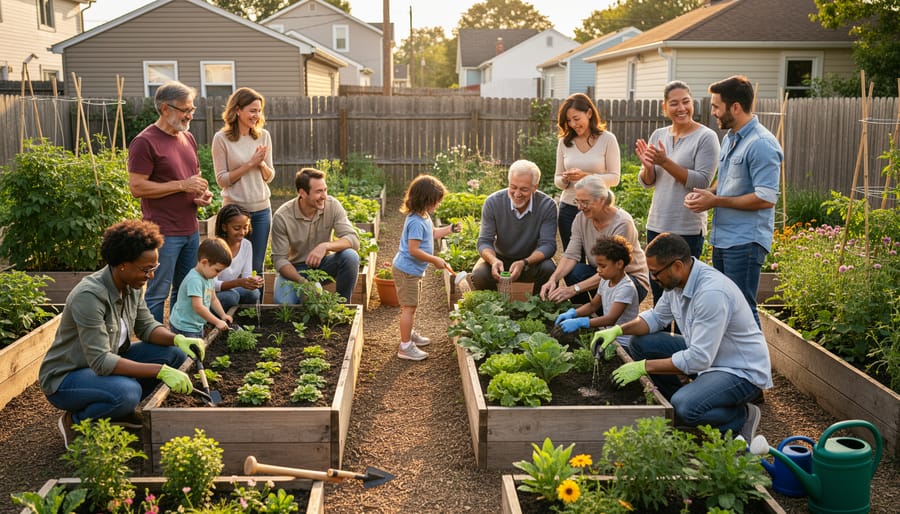
Community gardens transform neighbors into friends through the simple act of growing food together. When people work side by side, preparing beds, sharing seedlings, or discussing pest problems, they build relationships that extend beyond the garden gate. These connections combat the isolation many feel in modern neighborhoods, creating a support network that didn’t exist before.
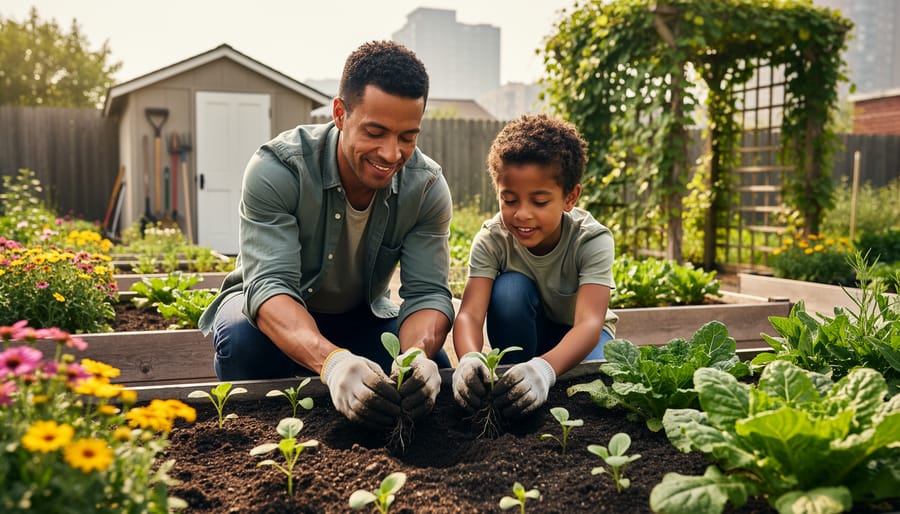
The intergenerational mixing is particularly powerful. A retired teacher might share decades of gardening wisdom with a young family learning to grow their first tomatoes. Kids discover patience and responsibility while helping elderly neighbors water plants. These exchanges preserve knowledge and create mentorship opportunities that strengthen community fabric.
Regular garden workdays naturally boost civic engagement. Members develop organizing skills, learn to make collective decisions, and gain confidence advocating for their neighborhood’s needs. Many gardeners become more involved in local planning meetings or environmental initiatives after experiencing collaborative problem-solving in their garden.
One Arlington community garden started when a dozen strangers responded to a neighborhood email about unused land. Five years later, they celebrate harvests together, coordinate childcare during workdays, and helped several members through job losses and health crises. As one founding member put it: “We came for the vegetables but stayed for each other.” That sentiment captures how shared garden space creates genuine community where surface-level acquaintances become trusted neighbors who look out for one another.
Hands-On Learning and Skill Development
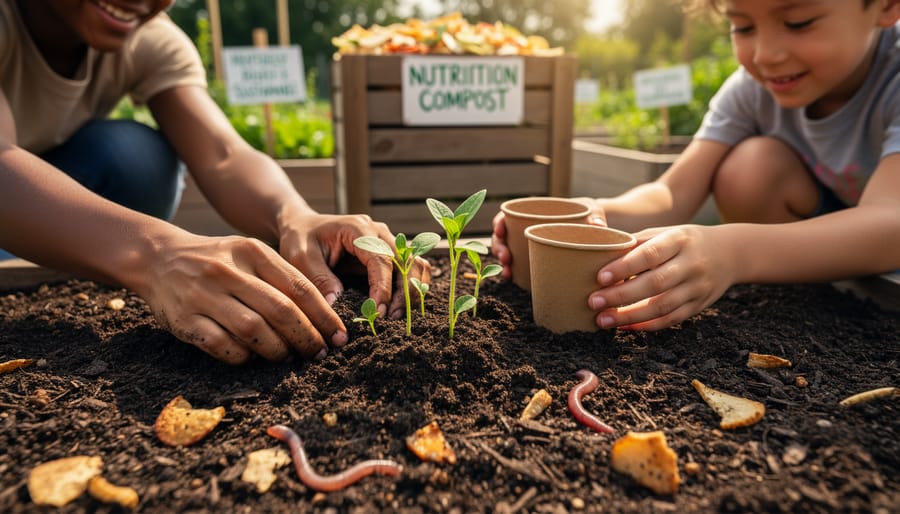
Community gardens serve as open-air classrooms where members gain practical knowledge that extends far beyond planting seeds. Novice gardeners learn fundamental techniques, soil preparation, composting, pest management, seasonal planting schedules, through hands-on demonstration rather than abstract instruction. Experienced members often share regional tips specific to local climate and soil conditions, creating an informal mentorship system that builds confidence and competence.
Extension Master Gardeners play a vital role in this education ecosystem. These volunteers complete intensive horticultural training through university extension programs, a model with Master Gardener program history spanning decades, then contribute their expertise through workshops, consultations, and on-site guidance in community gardens. They introduce evidence-based practices that help members troubleshoot problems, avoid common mistakes, and improve yields.
The learning extends into sustainability and environmental stewardship. Members discover water conservation methods, organic fertilization alternatives, and companion planting strategies that reduce chemical inputs. Many gardens host specialized workshops on topics like pollinator habitat creation, native plant selection, or season extension techniques using cold frames and row covers.
Nutrition education naturally emerges when growers harvest their own vegetables. Families experiment with unfamiliar crops, learn preparation methods for fresh produce, and understand the connection between soil health and food quality. Children who participate absorb these lessons early, developing an appreciation for where food originates and the effort required to cultivate it, knowledge that shapes eating habits and environmental awareness for years ahead.
Environmental and Wildlife Benefits
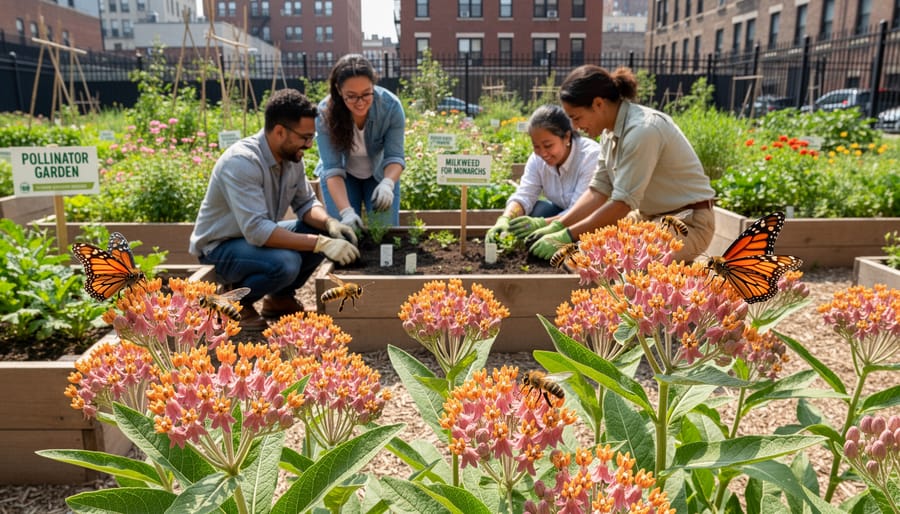
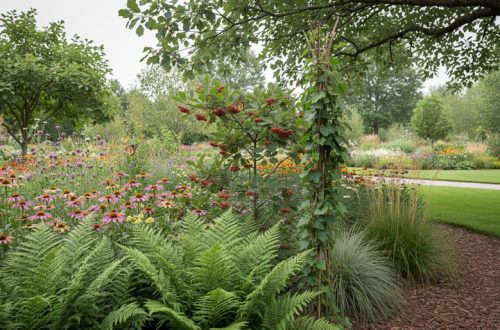
Community gardens transform vacant lots and underutilized spaces into thriving green patches that deliver measurable environmental gains. These shared plots act as mini-ecosystems, offering refuge for pollinators, birds, and beneficial insects that struggle to survive in built-up areas. When community gardeners choose native plants and avoid pesticides, they create stepping-stone habitats that connect larger green spaces, allowing wildlife to move through urban and suburban landscapes more easily.
The environmental advantages extend well beyond supporting bees and butterflies:
- Cooling effect: vegetation and soil absorb heat, reducing local temperatures compared to pavement and concrete
- Air quality: plants filter pollutants and produce oxygen, improving the air neighbors breathe
- Carbon sequestration: growing plants capture carbon dioxide, offsetting emissions from nearby traffic and buildings
- Native plant corridors: gardens stocked with local species provide food and shelter for wildlife year-round
- Reduced food miles: growing produce locally cuts transportation emissions and packaging waste
Stormwater management is another often-overlooked benefit. Garden beds absorb rainwater that would otherwise rush into storm drains, carrying pollutants into local waterways. Healthy soil acts like a sponge, holding moisture during heavy rains and releasing it slowly, which reduces flooding risk and recharges groundwater supplies. Composting programs within community gardens turn kitchen scraps and yard waste into nutrient-rich soil amendments, keeping organic matter out of landfills where it would generate methane.
Wildlife-friendly gardening practices, leaving seed heads standing through winter, creating brush piles for small mammals, installing birdhouses and bee hotels, make community gardens especially valuable for local biodiversity. These spaces demonstrate that food production and habitat creation are not competing goals but complementary ones, showing neighbors practical ways to garden in harmony with the natural world.
Health and Wellness Gains
Community gardening delivers measurable health benefits that extend far beyond fresh vegetables. The physical work, digging, planting, weeding, carrying water, provides moderate aerobic exercise that strengthens muscles, improves flexibility, and burns calories without feeling like a workout. Regular gardeners often report better sleep and increased stamina over the growing season.
The mental health gains are equally significant. Gardening reduces cortisol levels, the stress hormone, while the repetitive tasks create a meditative state that quiets anxious thoughts. Spending time outdoors among plants and soil boosts mood and provides relief from screens and indoor routines. Many participants describe their garden time as a weekly reset that helps them manage work pressure and daily stressors.
Access to homegrown produce changes eating habits naturally. When you’ve nurtured tomatoes from seedling to harvest, you’re more likely to eat them, and kids who grow vegetables show greater willingness to try them. Community gardens often introduce participants to varieties they’ve never tasted, expanding diets beyond grocery store standards. Some therapeutic garden programs specifically use horticulture to support recovery from illness, injury, or trauma, combining physical rehabilitation with the psychological comfort of nurturing living things.
Economic and Food Security Advantages
Community gardens deliver measurable economic benefits beyond the satisfaction of growing your own food. Participants typically save $200 to $600 annually on produce, depending on their plot size and what they grow. Tomatoes, peppers, herbs, and leafy greens offer the best return on investment compared to grocery store prices.
These gardens also beautify neighborhoods in ways that matter financially. Studies show community gardens can increase nearby property values by 9.4% within five years as they transform vacant lots into maintained green spaces that signal neighborhood vitality.
Many gardens operate donation programs, channeling surplus harvests to local food banks and community kitchens. A single productive garden can contribute hundreds of pounds of fresh vegetables each season to families facing food insecurity.
In neighborhoods classified as food deserts, areas with limited access to affordable fresh produce, community gardens provide a direct solution. They offer residents a reliable source of nutritious food within walking distance, reducing dependence on corner stores with limited healthy options. This hyperlocal food production particularly benefits seniors and families without reliable transportation.
Where Community Gardens Are Making a Difference
Community gardens are transforming neighborhoods in tangible ways across diverse settings. School gardens have become outdoor classrooms where children learn plant life cycles, nutrition, and responsibility, experiences that often spark lifelong environmental awareness. In healthcare facilities, healing gardens offer patients and staff therapeutic spaces where tending plants reduces stress and aids recovery; studies show these green environments measurably improve mental well-being.
Urban greening projects turn vacant lots into productive spaces that cool neighborhoods, capture stormwater, and provide fresh produce in areas with limited grocery access. In Arlington County and Alexandria City, community gardens have addressed emerging needs such as pollinator habitat loss and food insecurity, with many plots dedicated to growing food for local donation programs. Residents looking to replicate these successes can start an urban program by connecting with Extension Master Gardeners and partnering with municipal sustainability offices. These gardens also serve as gathering points during community events, strengthening social ties while demonstrating how small green spaces can yield big neighborhood improvements.
Common Questions About Community Gardening
Do I need gardening experience to join?
Not at all. Community gardens welcome beginners and experienced gardeners alike. Most gardens offer workshops, buddy systems, and hands-on guidance to help you learn as you grow.
How much time will I need to commit?
Time requirements vary by garden model, but many gardeners spend 2-4 hours per week during growing season. You can adjust your involvement based on your schedule, and most gardens allow members to take breaks or reduce hours during busy periods.
What if I can’t garden year-round?
Many community gardens operate seasonally, with lighter activity in winter months. Some members focus on spring and summer crops, while others enjoy fall plantings or winter prep work. Gardens accommodate seasonal schedules.
Are there membership fees or costs?
Fees vary widely. Some gardens charge annual dues ranging from $25 to $75 to cover water, tools, and compost, while others are completely free. Check with individual gardens about their cost structure and any available fee waivers.
Can I bring my children?
Absolutely. Community gardens are family-friendly spaces where kids can learn about plants, insects, and where food comes from. Many gardens have designated youth plots or special programs for young gardeners.
What happens if I travel or get busy?
Most gardens understand life happens. You can arrange for plot partners to water your plants, ask neighboring gardeners for help, or choose low-maintenance crops that tolerate occasional neglect.
These questions come up repeatedly because people worry about committing to something unfamiliar. The truth is that community gardens are designed to be accessible and flexible. Organizers and fellow gardeners want you to succeed, not stress out.
If you’re concerned about your schedule or skill level, visit a garden during work hours on a weekend. Watch how relaxed and collaborative the atmosphere feels. Talk to a few gardeners about their experience. You’ll quickly see that community gardens adapt to real lives, not the other way around.
Getting Started: Your First Steps
Ready to dig in? Start by checking whether a community garden already exists in your neighborhood. Search online for “[your city] community garden” or contact your local parks department, Extension office, or neighborhood association. Many communities maintain directories of active gardens looking for new members.
If you find an established garden, reach out to the coordinator and ask about plot availability, membership requirements, and upcoming orientation sessions. Most gardens welcome newcomers and offer mentorship from experienced gardeners. Expect to pay a modest annual fee, typically $25 to $75, that covers water, tools, and shared supplies.
Connect with Extension Master Gardeners in your area, they’re trained volunteers who offer free advice, host workshops, and often help manage community gardens. Arlington County and Alexandria City residents can find Master Gardener contact information through the Virginia Cooperative Extension website. Attending a workshop on topics like soil preparation, composting, or season extension gives you practical skills before your first planting.
If no garden exists nearby, consider starting one. Gather interested neighbors, identify potential land (schools, churches, and municipalities often have underused spaces), and reach out to Extension Master Gardeners for guidance on organizing. You don’t need to be an expert, just willing to learn alongside others.
Your first season will be a learning curve. Start small with a few easy crops like tomatoes, lettuce, or herbs rather than overwhelming yourself. Commit to two or three hours weekly for watering, weeding, and maintenance. Most importantly, introduce yourself to fellow gardeners, they’re your best resource for local tips and the friendships that make community gardening rewarding.
Community gardening transforms neighborhoods in ways that extend far beyond the garden beds themselves. When neighbors gather to plant, tend, and harvest together, they’re cultivating more than vegetables, they’re growing connections, knowledge, and a shared sense of purpose that strengthens the entire community.
The benefits we’ve explored, from building friendships and learning practical skills to supporting local wildlife and improving mental health, all stem from one simple act: people choosing to work together toward something meaningful. Every community garden starts with a few dedicated individuals who see the potential in an empty lot or underused space. That same potential exists in your neighborhood right now.
Whether you’re drawn to the educational workshops, the chance to grow fresh food, or simply the idea of meeting your neighbors over a shared project, there’s a place for you in community gardening. Extension Master Gardeners and local organizations stand ready to support newcomers with guidance, resources, and encouragement. Your contribution matters, whether you can offer two hours a week or twenty.
The strongest communities are built one relationship, one skill learned, and one garden bed at a time. Yours is waiting.