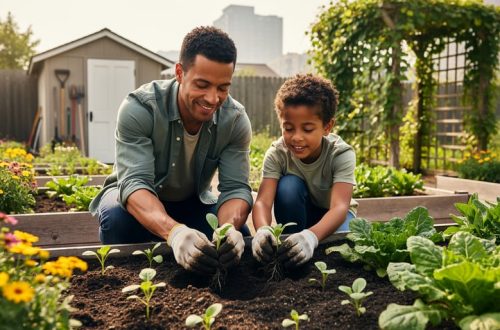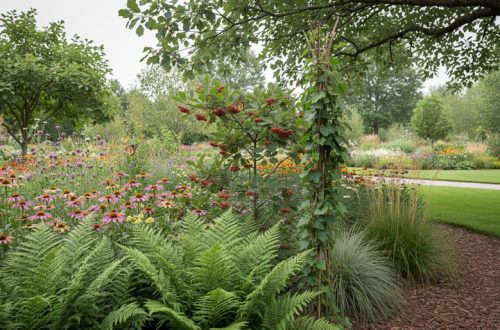
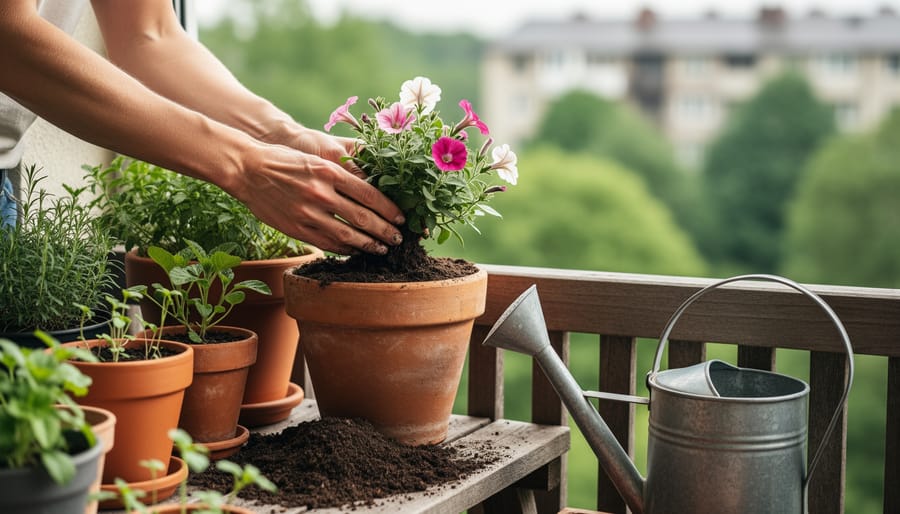
Leisure gardening is the practice of cultivating plants primarily for enjoyment, relaxation, and mental wellbeing rather than producing harvests or achieving pristine landscapes. Unlike traditional gardening focused on yields or aesthetics, this approach embraces a slower pace, celebrates imperfection, and prioritizes the simple pleasure of working with soil and watching things grow. You don’t need acres of land or expert knowledge to start. A few containers on a balcony, a single raised bed, or a corner of an existing yard is enough to experience the therapeutic benefits that have drawn thousands of people to this gentler style of gardening in recent years.
The concept gained momentum as more people sought outdoor hobbies that reduce stress without adding pressure. Community gardeners and backyard enthusiasts discovered that removing the burden of perfection made gardening more sustainable as a long-term practice. Instead of worrying about pristine rows or maximum productivity, leisure gardeners focus on what feels good: the texture of compost between fingers, the surprise of a first bloom, the quiet satisfaction of watering at dusk.
This shift naturally overlaps with wildlife-friendly approaches. What is wildlife gardening? At its core, it shares the same values of working with nature rather than against it, creating spaces that support local ecosystems while nurturing your own peace of mind. The beauty of leisure gardening lies in its flexibility. You set the pace, choose projects that spark curiosity, and give yourself permission to learn through trial and gentle error.
What Makes Leisure Gardening Different from Traditional Gardening
Leisure gardening isn’t about how much you harvest or whether your roses win awards. It’s about what happens to you while you’re out there with your hands in the soil. The key difference lies in your purpose: you’re gardening because the activity itself brings you joy, not because you need twenty pounds of tomatoes or a magazine-worthy flower border.
Traditional production gardening measures success in bushels and jars of preserves. Your goal is yield, which means careful planning, consistent maintenance, and meeting the needs of demanding crops. High-maintenance ornamental gardening chases aesthetic perfection through constant deadheading, precise pruning schedules, and immaculate weed control. Both approaches can be deeply satisfying, but they come with clear expectations and regular demands on your time.
- Production Gardening
- Growing plants primarily for their harvest or yield, with success measured in quantity and quality of crops. Requires dedicated attention to timing, soil amendments, and pest management.
- Ornamental Gardening
- Cultivating plants for visual impact and aesthetic goals, often following design principles and maintenance schedules. Prioritizes appearance and curb appeal over personal relaxation.
- Leisure Gardening
- Gardening purely for enjoyment, stress relief, and personal connection to nature without pressure to produce or achieve specific outcomes. Embraces experimentation and flexible commitments.
- Therapeutic Horticulture
- Structured gardening programs designed and facilitated by professionals to achieve specific health or rehabilitation goals. More formal than leisure gardening’s self-directed approach.
Leisure gardening gives you permission to plant three different varieties just to see what happens, to let the garden rest when you need to rest, and to measure success by how you feel rather than what you grew. You might harvest a few tomatoes or admire pretty flowers, but those are bonuses. The real reward is the peace you feel while watering, the satisfaction of watching something grow under your care, and the freedom to change direction whenever inspiration strikes.
This flexibility makes leisure gardening accessible to people who’ve been intimidated by other approaches. There’s no crop failure if you weren’t counting on a crop, and there’s no design disaster if you never promised yourself perfection.
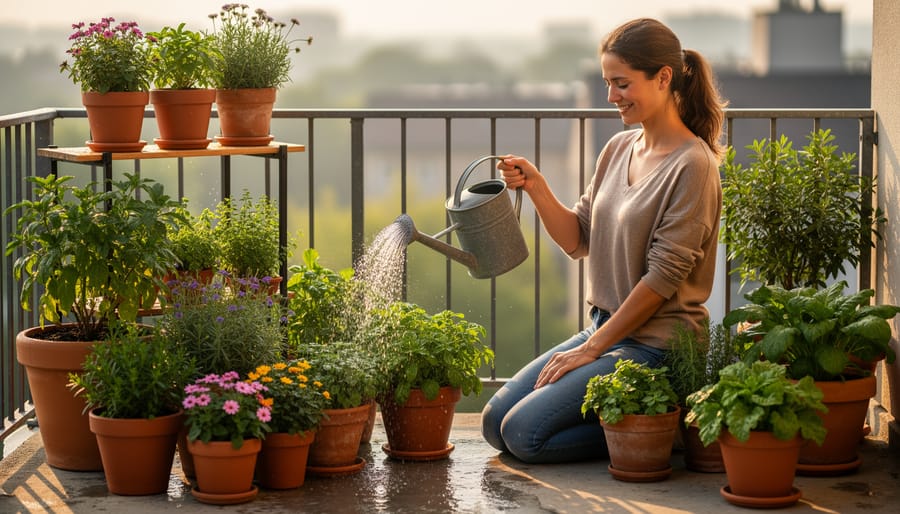
The Mental Health Benefits That Keep People Coming Back
Gardening’s power to calm the mind isn’t just anecdotal, it’s backed by research showing that horticulture therapy reduces stress and improves emotional well-being. When you’re focused on turning soil, pinching back basil, or watching a pollinator visit your flowers, the day’s worries fade. There’s no deadline, no performance metric. You’re simply present.
Many Wildlife Gardening volunteers describe this shift. One community member started tending a small corner of native wildflowers after a difficult year and found that twenty minutes with her hands in the dirt reset her entire mood. She wasn’t chasing perfect blooms or a harvest quota. She was just there, noticing growth and change. That sense of gentle progress, a seedling breaking through soil, a bud opening overnight, creates a quiet accomplishment that doesn’t demand anything back.
Leisure gardening also offers a rare permission to slow down. The repetitive tasks, the textures of leaves and stems, the rhythm of watering, all act as natural mindfulness exercises. You’re not meditating in a formal sense, but you’re doing something better for some people: engaging your senses without trying. The benefits of sustainable gardening extend beyond the environmental impact to this deeply personal level, where tending living things becomes a practice of self-care.
Community workshops, like the enthusiasm-filled April 2026 post from timberhollowpottery inviting people to “make some” leisure gardens together, tap into another layer: shared joy. Gardening alongside others who aren’t judging your technique or your results normalizes the mess and the learning curve. You laugh when something doesn’t work. You celebrate when it does. That social connection, combined with the grounding work itself, is why people keep returning, not for the tomatoes, but for how they feel when they show up.
How to Start Your Leisure Garden (Even with Limited Space)
Container Gardens for Absolute Beginners
Start with a single pot, just one. Choose a container at least 10-12 inches wide with drainage holes, and fill it with quality potting mix, not garden soil. Garden soil compacts in containers and drowns roots; potting mix stays light and drains properly.
Herbs are your best first plants. Basil, mint, and parsley forgive beginner mistakes and reward you with fresh flavor within weeks. The University of Illinois Extension offers detailed guidance on growing herbs in containers covering everything from watering schedules to harvest timing. Pair herbs with a single flowering plant like a marigold or petunia for color and pollinator interest.
Container gardening eliminates weeding, reduces watering guesswork, and lets you move plants to follow the sun or escape harsh weather. Place your pot near your door where you’ll see it daily, proximity builds the habit of checking in and enjoying your small green space. When that first pot thrives, add a second. Success breeds confidence faster than ambition breeds overwhelm.
Creating a Low-Commitment Garden Bed
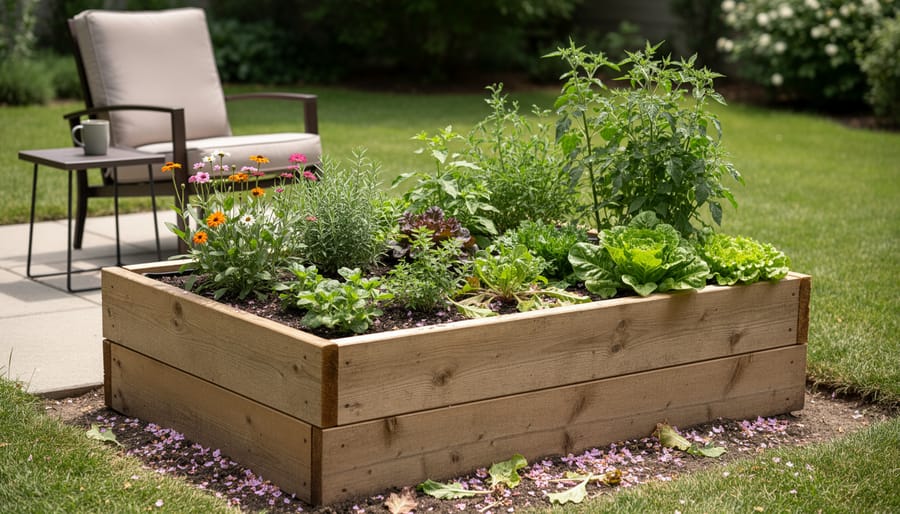
A low-commitment garden bed starts with choosing the right spot and the right plants. Pick a location that gets at least six hours of sun and has decent drainage. If you’re working with heavy clay or poor soil, a raised bed filled with quality garden mix saves you from fighting your ground conditions.
Size matters when you want to keep things manageable. A 4-by-4-foot bed or even smaller gives you enough space to experiment without overwhelming your schedule. You can always expand later once you see what works.
Plant perennials that come back year after year without fussing. Black-eyed Susans, coneflowers, and Russian sage thrive with minimal attention once established. Mix in self-seeding annuals like cosmos, calendula, and bachelor’s buttons. These drop seeds in fall and surprise you with volunteers the next spring, filling gaps without replanting.
Space plants generously at first. Dense planting looks impressive but creates competition for water and nutrients, which means more work for you. A little breathing room reduces pest problems and lets each plant develop its natural shape.
Water deeply when you plant, then let the soil guide you. Most established perennials need water only during extended dry spells. Mulch with two inches of shredded leaves or wood chips to hold moisture and suppress weeds. The bed practically tends itself after the first season.
Making Your Leisure Garden Wildlife-Friendly
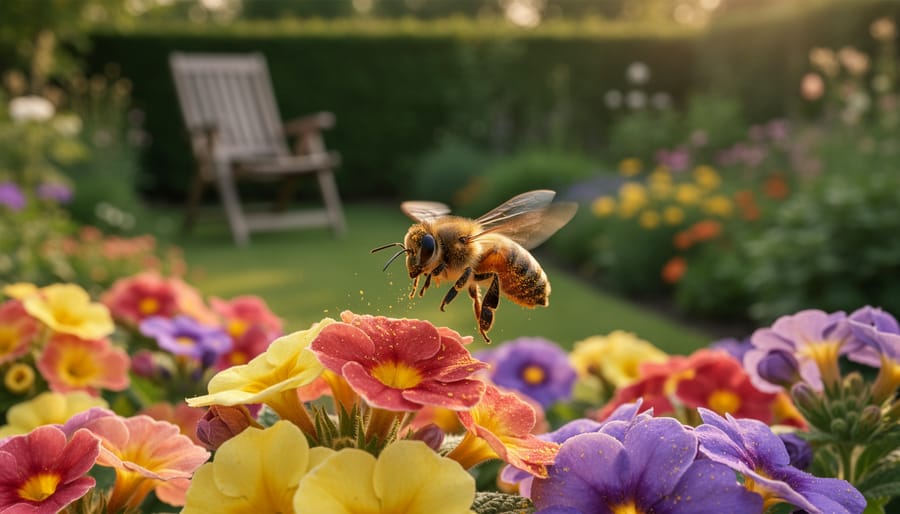
One of the most rewarding aspects of leisure gardening is watching wildlife discover your space. When you choose native plants you’re creating habitat that supports local birds, butterflies, and beneficial insects without demanding extra effort from you. These plants have evolved alongside regional wildlife, so they naturally attract pollinators and provide food sources throughout the seasons.
Start with a few simple additions that offer big impact. A shallow dish of water with stones for perching becomes a bird bath and pollinator watering station. Leaving a small pile of twigs or logs in a corner creates shelter for ground beetles and native bees. Letting some plants go to seed instead of deadheading everything feeds finches and sparrows through fall and winter.
The beauty of wildlife-friendly leisure gardening is that it actually reduces your workload. Native plants require less watering and fertilizing once established because they’re adapted to your local conditions. Beneficial insects like ladybugs and lacewings handle pest control naturally when you skip the chemicals. You can sit back with your coffee and enjoy the show instead of constantly intervening.
Choose plants with different bloom times so something is always flowering from early spring through late fall. Coneflowers, black-eyed Susans, and milkweed are reliable performers that pollinators love. Add a few berry-producing shrubs, and you’ll have birds visiting year-round. The wildlife activity transforms your garden into living entertainment, deepening your connection to the natural rhythms happening right outside your door.
Community Connections: Workshops and Social Gardening
Leisure gardening becomes even more rewarding when you share it with others. Community workshops, garden tours, and volunteer days transform gardening from a solitary activity into a social experience where you learn new techniques, swap plant cuttings, and build friendships with people who understand your excitement over the first tomato bloom.
Extension Master Gardener programs across the country offer hands-on demonstrations and informal Q&A sessions that welcome gardeners at every level. These gatherings are perfect for leisure gardeners because there’s no pressure to be an expert, everyone’s there to experiment and enjoy. In April 2026, community organizer timberhollowpottery sparked enthusiasm with a simple invitation to “Let’s make some!!!” highlighting how grassroots garden meetups are popping up in neighborhoods and online spaces alike.
Social gardening also opens doors to collaborative projects that would be overwhelming alone. Community gardens let you share tools, knowledge, and the workload while still maintaining your own plot. Volunteer opportunities at wildlife gardens or public green spaces offer hands-on experience without the commitment of maintaining your own garden at home. You’ll pick up practical skills, discover which plants thrive in your region, and meet mentors who genuinely love helping newcomers succeed. The conversations that happen while weeding side-by-side or dividing perennials often become as valuable as the gardening itself.
Common Mistakes That Take the ‘Leisure’ Out of Leisure Gardening
The biggest mistake new leisure gardeners make? Treating it like a performance review. When you start judging every wilted leaf or comparing your patio pots to those glossy Instagram feeds, you’ve lost the plot. Leisure gardening isn’t about perfection, it’s about showing up, learning what works, and enjoying the process.
Overcommitting ranks a close second. You browse a nursery feeling ambitious, load up on fifteen different plants, then realize you’ve created a part-time job instead of a hobby. Start with three to five plants. Get to know them. Add more only when caring for what you have feels easy, not like homework.
Ignoring your local conditions will frustrate you faster than anything. That gorgeous tropical plant your neighbor grows? Maybe it thrives in her microclimate but sulks in yours. Check your hardiness zone, observe how sun moves through your space across the day, and choose plants suited to your actual conditions, not the conditions you wish you had.
Comparing yourself to others drains the joy right out. Community gardeners share their wins on social media, but you don’t see the failures composted behind the shed. Your garden is yours alone. It doesn’t need to look like anyone else’s to give you peace, connection, and that satisfying feeling of dirt under your nails.
Leisure gardening isn’t about mastering complicated techniques or creating Instagram-perfect landscapes. It’s about finding joy in watching a seed sprout, feeling the soil between your fingers, and noticing the first butterfly visiting your flowers. The garden becomes your refuge, a place where the only deadline is the season and the only judge is yourself.
Start wherever you are. A single pot of herbs on a windowsill counts. A few native wildflowers in a corner of your yard counts. What matters is that you’re connecting with the earth and giving yourself permission to experiment, learn, and sometimes fail without pressure.
Your local Extension Master Gardener programs offer free workshops, plant clinics, and demonstration gardens where you can learn alongside neighbors who share your curiosity. The Wildlife Gardening community welcomes everyone, whether you’re planting your first container or transforming an entire yard into a pollinator haven.
The most profound transformations happen quietly, one season at a time. Your leisure garden won’t just grow plants. It will grow peace, purpose, and connection to the living world around you.