Rocks for gardening transform outdoor spaces into low-maintenance, wildlife-friendly havens that support everything from ground beetles to native pollinators. Whether you’re creating a rockery that shelters beneficial insects, building a dry stone wall for nesting sites, or simply adding decorative river stones to suppress weeds, the right rocks can reduce your garden’s water needs by up to 50% while creating vital habitat corridors.
The best approach starts with understanding your soil and drainage patterns. Heavy clay soils benefit from larger rocks that improve air circulation, while sandy gardens need smaller stones that lock in precious moisture during summer heat. Walk your property after a rainstorm to identify natural drainage paths where strategically placed rocks can slow runoff and create microhabitats.
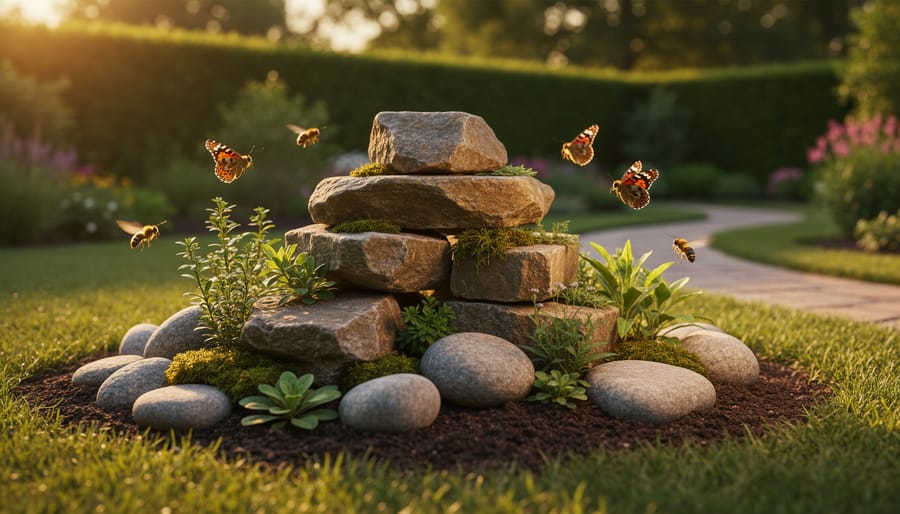
Community gardeners across the country are discovering that rocks do double duty. Sarah Chen, who manages a pollinator garden in Portland, uses stacked fieldstone to create sun-warmed basking spots for butterflies while the crevices between rocks house solitary bees. “We’ve counted 12 different native bee species using our rock features,” she notes, proof that hardscaping choices directly impact biodiversity.
Pricing in 2026 varies widely depending on type and source. Local quarries typically offer the best value for bulk orders, and many gardeners find free rocks through community exchange programs or construction site donations. The investment pays off quickly through reduced mulch costs and virtually zero maintenance over decades.
Why Rocks Belong in Every Wildlife Garden
Rocks do more than look good. They create tiny pockets of shelter, warmth and moisture that wildlife depends on for survival.
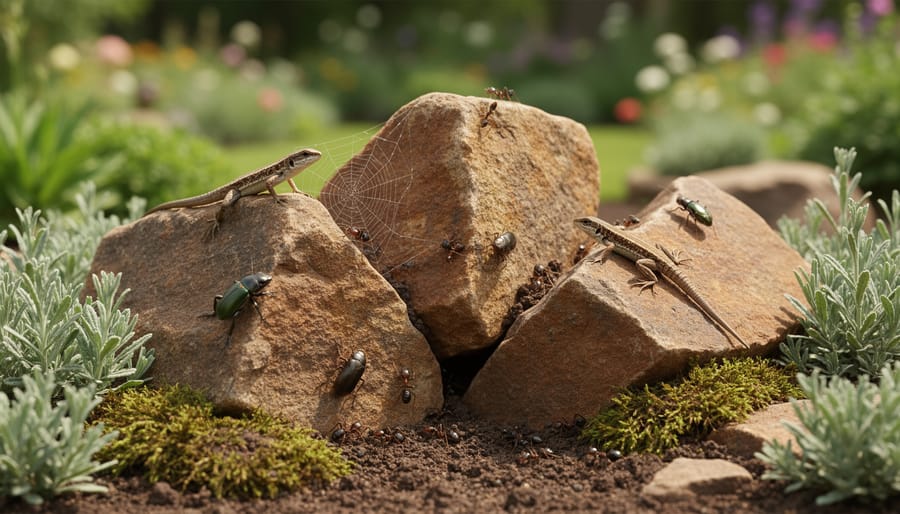
Understanding what wildlife gardening is starts with recognizing that even small features like strategically placed stones can transform your yard into a thriving ecosystem. A flat rock absorbs sunlight during the day and radiates that warmth well into the evening, giving butterflies a place to bask and cold-blooded creatures like lizards and beneficial snakes safe spots to regulate their body temperature. This simple heat retention can mean the difference between survival and hypothermia during cooler spring nights.
Water management improves dramatically when you incorporate rocks into your landscape. They break the force of heavy rain, slowing runoff and allowing moisture to soak into the soil rather than washing away topsoil and nutrients. For effective erosion control practices rocks placed on slopes or around vulnerable plantings stabilize the ground while creating natural drainage channels that prevent waterlogging.
The real magic happens in the gaps. Spaces between rocks become microhabitats where ground beetles hunt slugs, native bees nest in sandy pockets, and toads shelter from predators. Stack a few larger stones and you have created winter hibernation sites for amphibians. Even a modest rock pile tucked into a garden corner supports dozens of beneficial invertebrates that pollinate plants, break down organic matter and keep pest populations in check.
These ecological benefits cost nothing once the rocks are in place. You are not adding chemicals, electricity or ongoing inputs. You are simply working with natural materials to build habitat that sustains itself year after year.
Types of Rocks for Gardening and How to Choose Them
Decorative Stones: White and Pink Granite Options
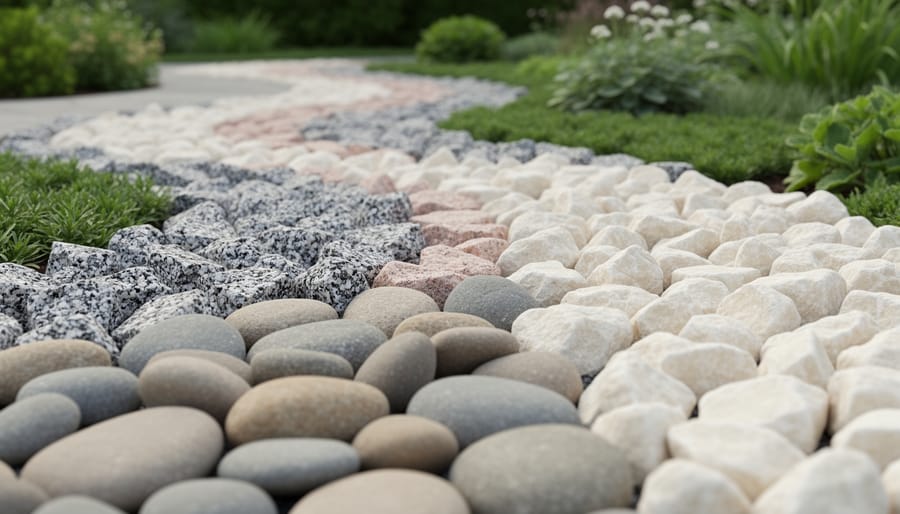
White stones and pink granite have become go-to choices for gardeners who want visual impact alongside wildlife benefits. White decorative stones create bright focal points that reflect sunlight during the day while radiating stored warmth at night, exactly what small reptiles and beneficial insects need. They work beautifully as edging around pollinator plantings or scattered through gravel gardens to break up darker tones.
Pink granite stones offer a warmer palette, their subtle coral and rose hues complementing native wildflowers without overwhelming delicate blooms. These stones hold heat exceptionally well, turning sunny spots into basking areas for butterflies and lizards. Pricing varies by region and size, but budget-conscious gardeners can find options at local suppliers. Mix sizes rather than buying uniformly matched stones; the irregular gaps between different-sized rocks create perfect hiding spots for ground beetles and other garden allies.
Both types work year-round. In summer, they anchor xeriscape designs that conserve water. Come winter, their thermal mass moderates soil temperature swings, protecting overwintering insects sheltering beneath. Start with a small feature, perhaps a sunny corner rock pile or pathway border, and watch how quickly wildlife discovers your new stone habitat.
Locally Sourced vs. Imported: Making Sustainable Choices
Choosing locally quarried stone dramatically cuts the carbon emissions tied to transporting heavy materials across continents. Before buying, ask your supplier where their rocks originate. Stones from regional quarries within your state or province support local businesses and reduce fuel consumption. If imported decorative rocks better suit your design, consider using them as accent pieces rather than the primary material. Many community gardeners mix local fieldstone for structure with smaller quantities of specialty stones for visual interest. Check with your county extension office or Master Gardener program for recommendations on nearby quarries and landscape suppliers committed to sustainable practices. This approach builds a beautiful garden while honoring your environmental values.
Practical Ways to Use Rocks in Your Garden Design
Transforming your garden with rocks doesn’t require professional landscaping skills. Start with simple applications and build confidence as you see how stones enhance both beauty and wildlife habitat.
The easiest entry point is using rocks as a mulch alternative around established plants. Spread a two-inch layer of small river stones or pea gravel around perennials and shrubs, leaving a gap near plant stems to prevent moisture issues. The stones regulate soil temperature, suppress weeds, and create cozy hiding spots for ground beetles and other beneficial insects that patrol your garden for pests.
Pathways offer another beginner-friendly project. Lay larger stepping stones through your beds to create access routes without compacting soil. Master Gardeners from community programs often recommend spacing stones about 18 inches apart for a natural walking rhythm. These paths prevent soil compaction in heavily trafficked areas while giving salamanders and small mammals safe corridors through your garden.
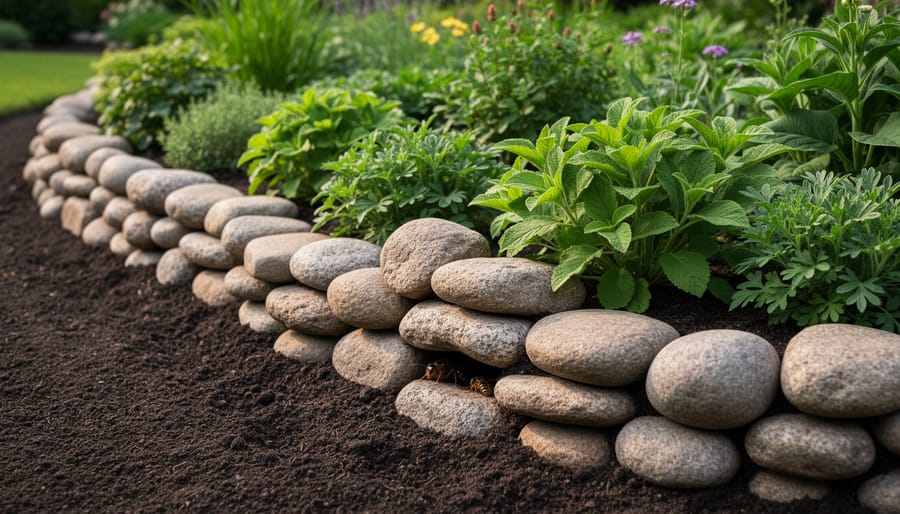
Rock borders transform messy bed edges into defined features. Stack two or three layers of flat stones along garden boundaries to create low walls that double as sunning spots for lizards and beneficial snakes. One community gardener in our network transformed her entire backyard by edging vegetable beds with locally sourced limestone, creating a cottage garden feel while providing countless crevices for overwintering insects.
For those ready to advance their skills, how to use gardening stones in water features creates focal points that attract birds, butterflies, and amphibians. Position larger rocks around a small pond or birdbath to create shallow access points where creatures can safely drink.
Here’s a progression based on complexity:
- Scatter individual accent rocks among flower beds for instant visual interest
- Create rock mulch rings around trees and specimen plants
- Build simple stepping stone pathways through garden rooms
- Construct low rock borders and retaining walls for elevation changes
- Design dedicated rock gardens with alpine plants in well-drained pockets
- Install elaborate water features with multiple stone levels and planting zones
Rock gardens deserve special mention as wildlife magnets. Arrange stones of varying sizes to create different sun exposures and moisture levels. Tuck drought-tolerant plants like sedums and sempervivums between rocks, and watch how quickly bees discover the blooms. The stones absorb heat during the day and release it at night, extending the active hours for pollinators.
Community workshops through local extension programs often feature hands-on rock installation demonstrations. These sessions connect you with experienced gardeners who share practical tricks, like using landscape fabric selectively (only under pathways, never in planting areas where it blocks beneficial soil organisms) and calculating how many rocks you actually need before ordering.
Where to Find Quality Garden Rocks in 2026
Finding quality rocks doesn’t require driving across the country or breaking your budget. Start with local garden centers, where staff can recommend stones that suit your region’s wildlife needs. Fair Deal Garden Centre (131a Andersontown road bt11 9bu) stocks decorative options like white stones at £9.50 each and pink granite at £4.50 each, or 10 for £40, with Monday-Saturday hours from 9 to 5:30 and Sunday 11-5. Landscape suppliers typically offer bulk deliveries at better rates than bagged products, perfect when you’re creating larger rock features alongside native plants for pollinators.
Local quarries sell stones by the ton, giving you authentic regional materials that blend naturally with your ecosystem. Check community bulletin boards and online neighborhood groups for homeowners clearing old rock gardens, you’ll often find free or cheap supplies that just need hauling away. Rock gardening societies like the Ontario Rock Garden & Hardy Plant Society, celebrating “Gardening Rocks!” since 1984, connect enthusiasts for plant swaps and advice on sourcing specialty stones. These groups share trusted supplier recommendations and alert members to landscape project leftovers. Your local Master Gardener program can point you toward sustainable sources that minimize environmental impact while supporting wildlife-friendly garden goals.
Installing and Maintaining Rocks in Your Garden
Proper rock installation sets up years of low-maintenance beauty while protecting the soil ecosystem that wildlife depends on.
Start by mapping where rocks will go, marking pathways or borders with stakes and string. This prevents overbuying and helps you visualize the final design before moving heavy materials. Clear the area of weeds, but if you’re embracing no till gardening principles to preserve beneficial soil organisms, simply layer cardboard over existing vegetation rather than digging everything out.
- Level the ground by removing high spots and filling depressions, creating a stable base that prevents rocks from shifting over time.
- Lay landscape fabric or cardboard as a weed barrier, cutting X-shaped slits where plants will grow, never cover the entire planting area.
- Spread a thin layer of sand or gravel for drainage, especially important in clay soils where water pools around rocks.
- Position larger anchor stones first, burying one-third of each rock for natural appearance and stability.
- Fill gaps with smaller rocks, leaving irregular spaces for plant roots and insect homes rather than creating a solid surface.
Community gardeners recommend spacing rocks at least six inches from plant crowns to allow air circulation and room for growth. Creeping thyme, sedums, and native groundcovers will gradually soften hard edges.
Maintenance proves minimal once rocks settle. Annually, pull any weeds that sneak through gaps and top up surrounding mulch that may have decomposed. Power washing removes algae from decorative stones in shaded areas, though many gardeners appreciate the aged patina that develops. If rocks shift after heavy rain, simply reposition them, this natural settling actually benefits ground beetles and salamanders seeking shelter underneath.
Choosing rocks for gardening means investing in features that will serve your landscape for decades, providing beauty while creating essential habitat for wildlife. You don’t need to transform your entire garden overnight. Start with one small rock feature, perhaps a cluster of stones near a favorite plant or a simple pathway border, and observe how beneficial insects, lizards, and ground-dwelling creatures quickly make it home.
Your local Master Gardener programs offer workshops throughout the year on sustainable landscaping practices, and organizations like the Ontario Rock Garden & Hardy Plant Society have been helping gardeners succeed with rock features since 1984. Connect with these community resources to share ideas, troubleshoot challenges, and discover how your rock garden can become part of a larger movement toward wildlife-friendly spaces. Every stone you place thoughtfully is a step toward a healthier, more vibrant ecosystem right in your own backyard.