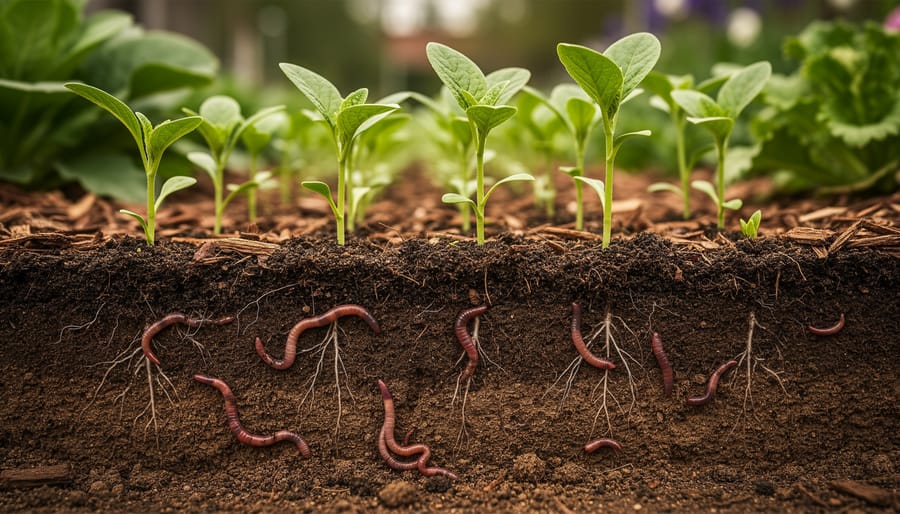
Great garden soil does more than hold plants upright. It delivers nutrients, retains moisture without becoming waterlogged, and teams with beneficial organisms that keep roots healthy. The difference between vibrant blooms and struggling seedlings often comes down to what’s happening beneath the surface.
Most beginners assume all dirt works the same way, but garden soil varies wildly in texture, drainage, and fertility. Clay soil holds water but drains poorly. Sandy soil drains fast but struggles to retain nutrients. Loamy soil, that perfect balance of sand, silt, and clay, gives most plants exactly what they need to thrive.
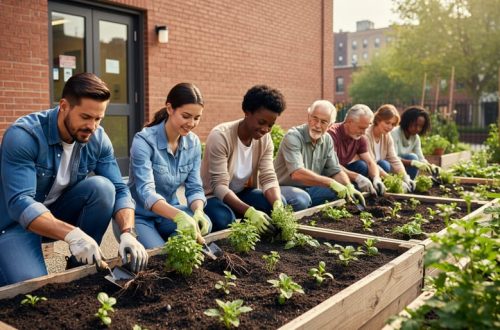
Testing your existing soil takes the guesswork out of amendments. Simple home test kits reveal pH levels and nutrient deficiencies in minutes, showing you whether to add compost, adjust acidity, or boost specific minerals. Sarah Chen, a community garden coordinator in Portland, saw her vegetable yields double after a basic soil test revealed magnesium deficiency. “I’d been throwing fertilizer at the problem for two seasons,” she says. “One test changed everything.”
Building healthy soil also means supporting the creatures that call it home. Earthworms, beneficial bacteria, and fungi create the living ecosystem that transforms raw materials into plant food. When you create a wildlife-friendly space you’re not just attracting pollinators above ground. You’re cultivating an entire underground community that makes gardening easier and more productive year after year.
Why Your Soil Matters More Than You Think
Your garden soil isn’t just dirt. It’s a bustling underground city teeming with billions of organisms working around the clock to support the wildlife you’re trying to attract. Every teaspoon of healthy garden soil contains more living creatures than there are people on Earth, from bacteria and fungi to nematodes and protozoa. These tiny workers break down organic matter, cycle nutrients, and create the foundation for everything that grows above ground.
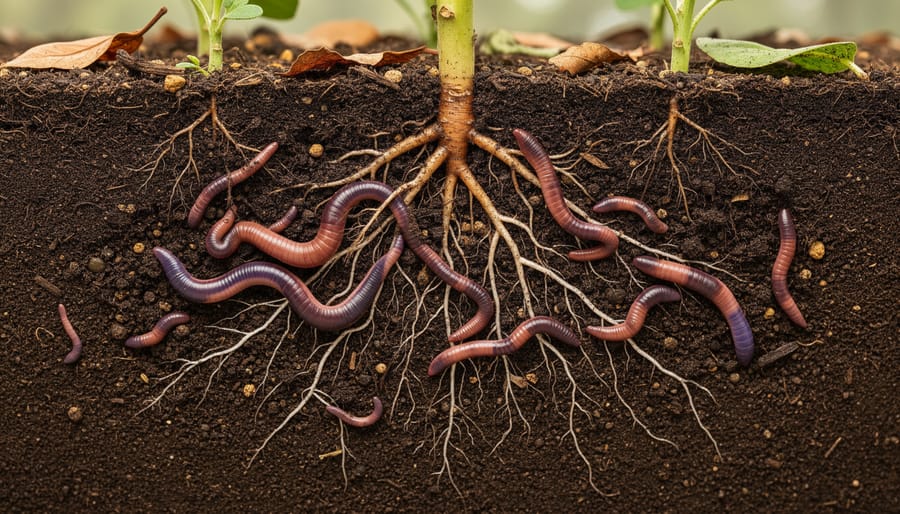
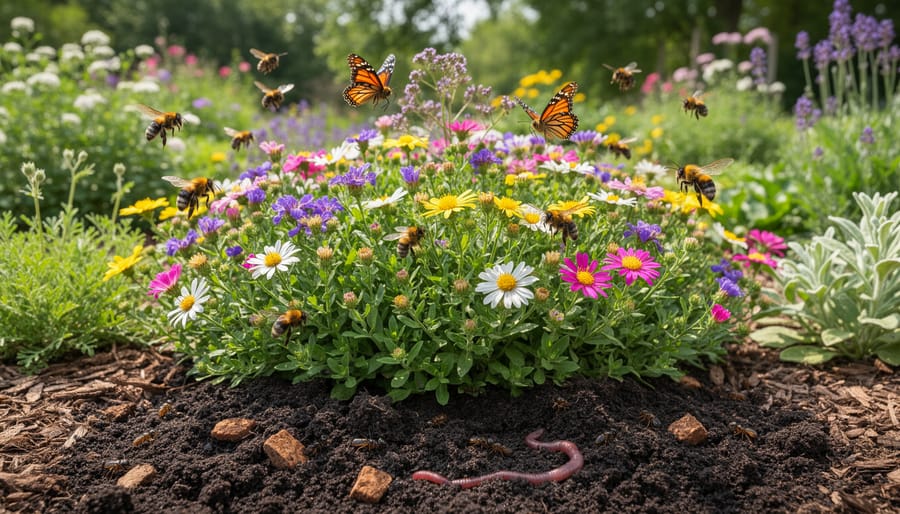
When you build healthy soil, you’re creating habitat for wildlife you might never see but desperately need. Ground-nesting bees, which pollinate about a third of our food crops, tunnel into well-structured soil to raise their young. Earthworms aerate the ground and leave behind nutrient-rich castings that feed your plants naturally. Beneficial insects overwinter in the spaces between soil particles, ready to emerge in spring and control garden pests without chemicals.
But soil does more than support your garden’s visible residents. It acts as a natural water filter, cleaning rainwater before it reaches local streams and the Chesapeake Bay. Healthy soil also captures and stores carbon dioxide from the atmosphere, turning your backyard into a small but meaningful climate solution. Research shows that improving urban soils through composting and organic amendments can enhance local green spaces while reducing waste headed to landfills.
The more you work with your soil as a living ecosystem rather than an inert growing medium, the more resilient your garden becomes. Plants rooted in rich, biologically active earth withstand drought better, resist diseases naturally, and provide higher-quality food and shelter for pollinators, songbirds, and beneficial insects. That’s the wildlife-friendly difference.
Understanding What Makes Soil Healthy
Test Before You Invest
Skip the guesswork and send a soil sample to your local extension service before you buy anything. Testing shows exactly what nutrients your soil has, what’s lacking, and what pH adjustments might help. You’ll get a detailed report that tells you which amendments will actually benefit your garden rather than waste money on products your soil doesn’t need.
Most county extension offices offer affordable testing, often for $15 to $25, and provide specific recommendations for vegetable gardens, lawns, or ornamental beds. Collect samples from different areas of your garden, mix them together, and follow the lab’s instructions for submission. Results typically come back within a few weeks.
Testing before amending is especially important for wildlife-friendly gardening because it prevents over-fertilizing, which can harm beneficial insects and create nutrient runoff that pollutes local waterways. Once you know what your soil needs, you can choose targeted organic amendments that build long-term fertility without disrupting the ecosystem you’re trying to support.
Building Your Soil the Wildlife-Friendly Way
The Magic of Home Composting
Home composting transforms kitchen scraps and yard waste into black gold for your garden while keeping organic materials out of landfills. Instead of tossing vegetable peelings, coffee grounds, and fallen leaves into the trash, you’re creating a nutrient powerhouse that feeds soil organisms and improves structure. This practice aligns perfectly with eco-conscious techniques that build wildlife habitat from the ground up.
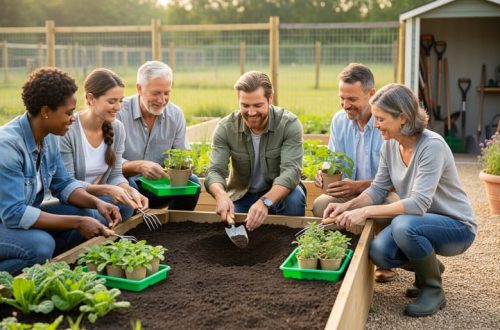
Starting a compost bin requires minimal investment. You can use a simple wire enclosure, a wooden pallet structure, or a purchased tumbler. Layer nitrogen-rich greens like grass clippings and food scraps with carbon-rich browns such as dry leaves and shredded newspaper. Keep the pile moist but not waterlogged, and turn it occasionally to speed decomposition.
The environmental benefits extend beyond your garden fence. Research shows that community composting provides nutrient-rich soil for enhancing local green spaces while reducing methane emissions from landfills. When you compost at home, you’re participating in this larger movement toward sustainable waste management.
Your finished compost enriches garden beds without the wildlife risks associated with synthetic products. It feeds earthworms, supports beneficial fungi, and creates the crumbly, living soil that native plants and pollinators thrive in. Start small with a kitchen scrap bucket and a backyard pile. You’ll be amazed how quickly garden “waste” becomes your most valuable soil amendment.
Organic Amendments That Work
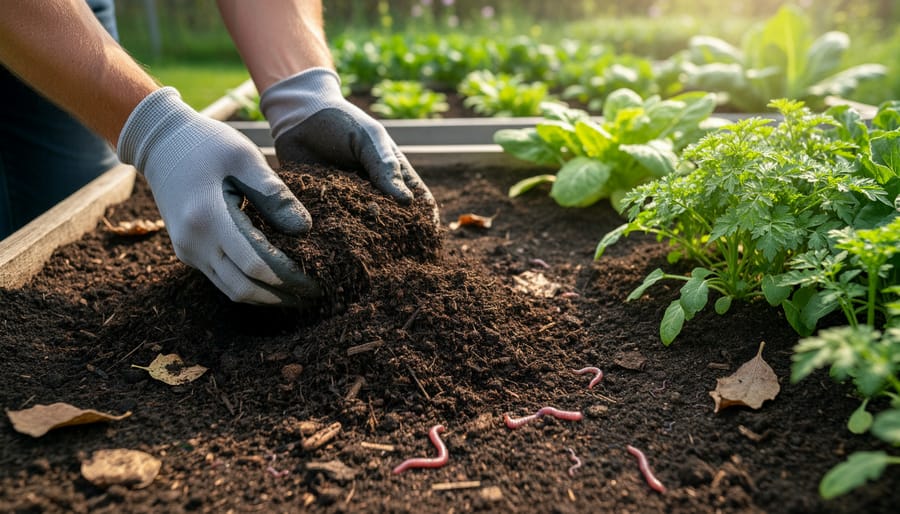
Not all organic materials deliver the same benefits, and choosing the right amendments makes a measurable difference in soil structure and wildlife habitat quality. Composted cow manure stands out as one of the most effective options for gardeners building living soil. It improves drainage in clay-heavy ground, increases moisture retention in sandy areas, and feeds beneficial microorganisms without the chemical residues that harm ground-nesting bees and soil-dwelling insects. Look for well-aged manure that’s broken down completely and doesn’t smell strong, fresh manure can burn plant roots and introduce weed seeds.
Leaf mold, made by letting autumn leaves decompose for a year or two, conditions soil beautifully while costing nothing. It lightens heavy clay, adds gentle organic matter, and creates habitat for the tiny invertebrates that feed birds and other wildlife. Aged compost from your own pile or a community program works similarly, delivering balanced nutrients and improving soil structure season after season. Mix any of these amendments into the top six inches of soil in spring or fall, or spread them as mulch and let earthworms do the work for you. These materials build fertility gradually, supporting plants and wildlife together rather than forcing quick growth that weakens your garden’s ecosystem.
Community Resources: Tap Into Local Soil Solutions
You don’t need to build better soil alone. Local resources put expert knowledge and quality materials within reach, often at little or no cost.
Most county extension offices run composting workshops and soil testing clinics throughout the growing season. They’ll analyze your garden soil and explain exactly what it needs, no guesswork required. Arlington County and Alexandria City residents can tap into Master Gardener programs where experienced volunteers answer questions about soil improvement, composting techniques, and wildlife-friendly amendments. These programs exist to help you succeed, so use them.
Community composting has become a game-changer for gardeners who lack yard space or need larger quantities of finished compost. Many neighborhoods now organize drop-off sites where residents contribute food scraps and yard waste, then share the nutrient-rich finished product for their gardens. These initiatives keep organic matter out of landfills while creating free soil amendments that support healthier local green spaces.
Municipal yard waste facilities offer another hidden treasure. Arlington and Alexandria both process collected leaves and brush into screened compost and leaf mulch, available to residents for pickup. A few garbage bags of this material can transform heavy clay or sandy soil without spending a dime. Call your local public works department to find out pickup schedules and what’s currently available.
Garden clubs and native plant societies provide the best informal education you’ll find. Members share firsthand experience with local soil conditions, recommend reliable compost sources, and troubleshoot problems specific to your area. They’ve already tested what works in your neighborhood’s unique soil, so you can skip years of trial and error.
What to Avoid: Protecting Wildlife While Building Soil
Not every product or method labeled “good for soil” benefits the wildlife your garden supports. Synthetic fertilizers deliver a quick nutrient hit but bypass the living web of microorganisms, fungi, and earthworms that healthy soil depends on. They leach into waterways, harming aquatic life and disrupting the food chain for birds and amphibians. Choose slow-release organic amendments instead, they feed the soil life that feeds your plants.
Peat-based products remain common in garden centers, but peat harvesting destroys ancient wetland habitats critical for migratory birds and carbon storage. Substitute coconut coir, aged leaf mold, or your own compost for seed starting and soil conditioning. These alternatives work just as well without the ecological cost.
Contaminated materials pose hidden risks. Avoid manure from horses fed hay treated with persistent herbicides, these chemicals can linger for years, stunting vegetable growth and harming beneficial insects. Similarly, mushroom compost often contains residual fungicides. Stick with composted cow manure from trusted sources or municipal compost tested for contaminants.
Excessive tilling tears apart soil structure, destroys fungal networks, and exposes ground-nesting bees to predators. It also brings dormant weed seeds to the surface. Turn soil only when establishing new beds. For ongoing improvement, top-dress with compost and let earthworms and plant roots do the mixing. This no-till approach protects the underground ecosystem while building fertility season after season.
Your Soil-Building Action Plan for 2026
Ready to transform your garden soil? Start with these three practical steps that work together to build a thriving, wildlife-friendly foundation.
- Get your soil tested through your local extension service this month. Knowing your soil’s pH and nutrient levels prevents wasted effort and helps you make targeted improvements that actually benefit your plants and the creatures that depend on them.
- Begin a compost pile or bin using kitchen scraps and yard waste. Even a small setup creates nutrient-rich amendments while keeping organic matter out of landfills, and you’ll have finished compost ready to spread by next season.
- Add native pollinator plants to at least one bed this year. Their deep roots naturally improve soil structure while providing habitat, creating a positive cycle where healthier soil supports more diverse wildlife.
Connect with your local Master Gardener program for hands-on support as you implement these changes. These volunteers offer free soil clinics, composting workshops, and advice tailored to your specific growing conditions. Many gardeners find that joining a community garden or wildlife gardening group provides both encouragement and practical tips from people who’ve already solved the challenges you’re facing.
When you start sustainable gardening with soil health as your priority, you’re not just growing plants. You’re building an ecosystem that supports pollinators, beneficial insects, and the broader web of life that makes gardens truly come alive.
Building great soil for gardening doesn’t require expensive products or complicated formulas. It’s about partnering with nature to create living earth that supports plants, pollinators, beneficial insects, and the entire web of life beneath your feet. Every handful of compost you add, every synthetic chemical you skip, every native plant you tuck into the ground makes a difference.
You don’t have to transform your garden overnight. Start with one bed, one season, one bag of leaves turned into soil-nourishing gold. Connect with your local Master Gardener program or community composting initiative. Share what you learn with neighbors. Celebrate when earthworms show up or when that struggling patch finally blooms.
Your garden, however small, contributes to a greener, more biodiverse community. Healthy soil filters rainwater, shelters ground-nesting bees, and sequesters carbon. It becomes part of something bigger than your backyard.
Keep learning, keep experimenting, and remember that nature is an incredibly patient teacher. The soil you’re building today will support wildlife and beauty for years to come.