![]() |
|
|
#1 |
|
A Bee's Best Friend
Join Date: Mar 2009
Location: Chicago Illinois USA
|
__________________
All we have to decide is what to do with the time that is given us. -- Gandalf http://pollinators-welcome.blogspot.com/ |
|
|
|
|
|
#2 |
|
The Pantyhose Princess
Join Date: Dec 2008
|
This is a MUST watch for anyone who LOVES bees. I'm really hating my paved driveway right about now. I'm remembering back to before we moved in and I'm remembering a few bees hanging around the upper drive before it was paved. I wonder if they were a species of digger bee.
-- What do you know about creating "habitat" for digger bees? Do you think it could be as easy as sectioning off an area of our lawn and excavating out the grass and filling it with sand and mud and hand pulling weeds in it throughout the year to keep it open?
__________________
"Be who you are and say what you feel, because those who mind don't matter and those who matter don't mind." - Dr. Seuss |
|
|
|
|
|
#3 | |
|
Fox
Join Date: Nov 2008
Location: Wisconsin
|
Quote:
She did an informal experiment in her yard. She had a 5 foot deep hole dug and filled it with 2 feet of gravel. On top of the gravel she put 3 feet of sand. She planted sand prairie type plants in the sand. Ground nesting bees are using it. This is in the Green Bay area and the normal drainage there is not too good, which is why I think she went through the trouble of putting in the 2 feet of gravel. If you don't have drainage problems in your area I would think that just the 3 feet of sand would work. She didn't say what size the area is, but I got the impression that it isn't too big. I was thinking maybe something on the order of 3 feet by 5 feet. .
__________________
Age is a biological fact. Old is a state of mind. I will age, but I refuse to get old. |
|
|
|
|
|
|
#4 | ||||
|
A Bee's Best Friend
Join Date: Mar 2009
Location: Chicago Illinois USA
|
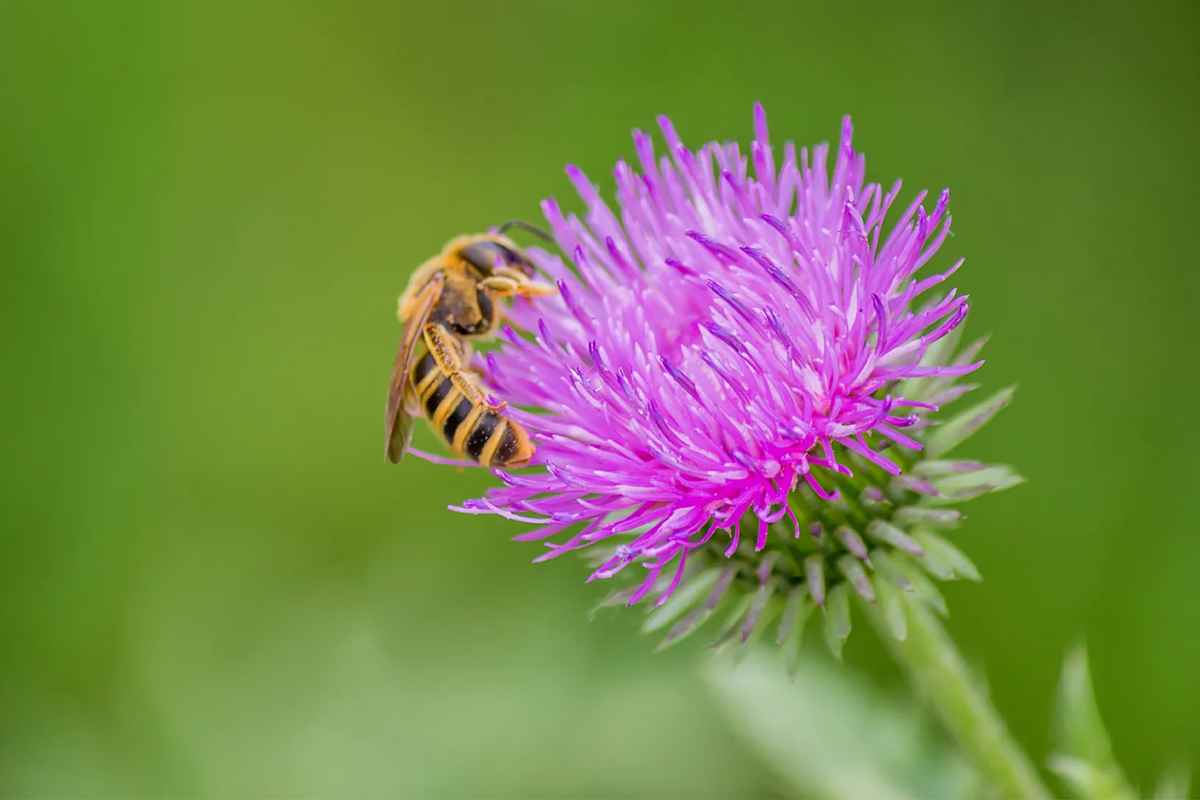
Digger bees do not all need sandy soil, or even loamy soil. Some species can dig in hard clay .
Deep wood mulch is not good for digger bees but a light dried grass or straw covering the ground is ok for some species. Native bunch grasses leave plenty of available soil bare for bees to utilize. A sparse lawn will have room for digger bees that do not usually aggregate into large groups. The area around and under a hedgerow or small woodland or woodland edge that is relatively undisturbed makes good digger bee habitat. Near fallen trees and wood piles or under the cut and broken stems of forbs and grasses laying on the ground but not compacted some digger bees or wasps will find a home. There are several hundred species of digger bees. Some emerge in early spring, some late spring, some early summer through late. Squash bees are a species of digger bee. Some leaf cutters are digger bees. Halictids are mostly digger bees. I provide a variety of habitat for native bees and let them make use of this. Rotting wood,hollow stems, undisturbed ground. Light cover, bare spots, native plants left in place overwinter. Woodland edge,sunnyspots light shade,damp soil,water, there is a bee that can use it if we leave undisturbed for long periods of time. http://dda.delaware.gov/publications/plant_industries/Bee%20Guide_07.pdf Quote:
Quote:
Quote:
Quote:
__________________
All we have to decide is what to do with the time that is given us. -- Gandalf http://pollinators-welcome.blogspot.com/ |
||||
|
|
|
![]() |
| Tags |
| attract, attract bees, attracting, bee, bee behavior, bee habitat, bee video, bees, clay, digger, digger bee, digger bees, gravel, habitat, habitat for bees, sand, video |
| Thread Tools | |
| Display Modes | |
|
|